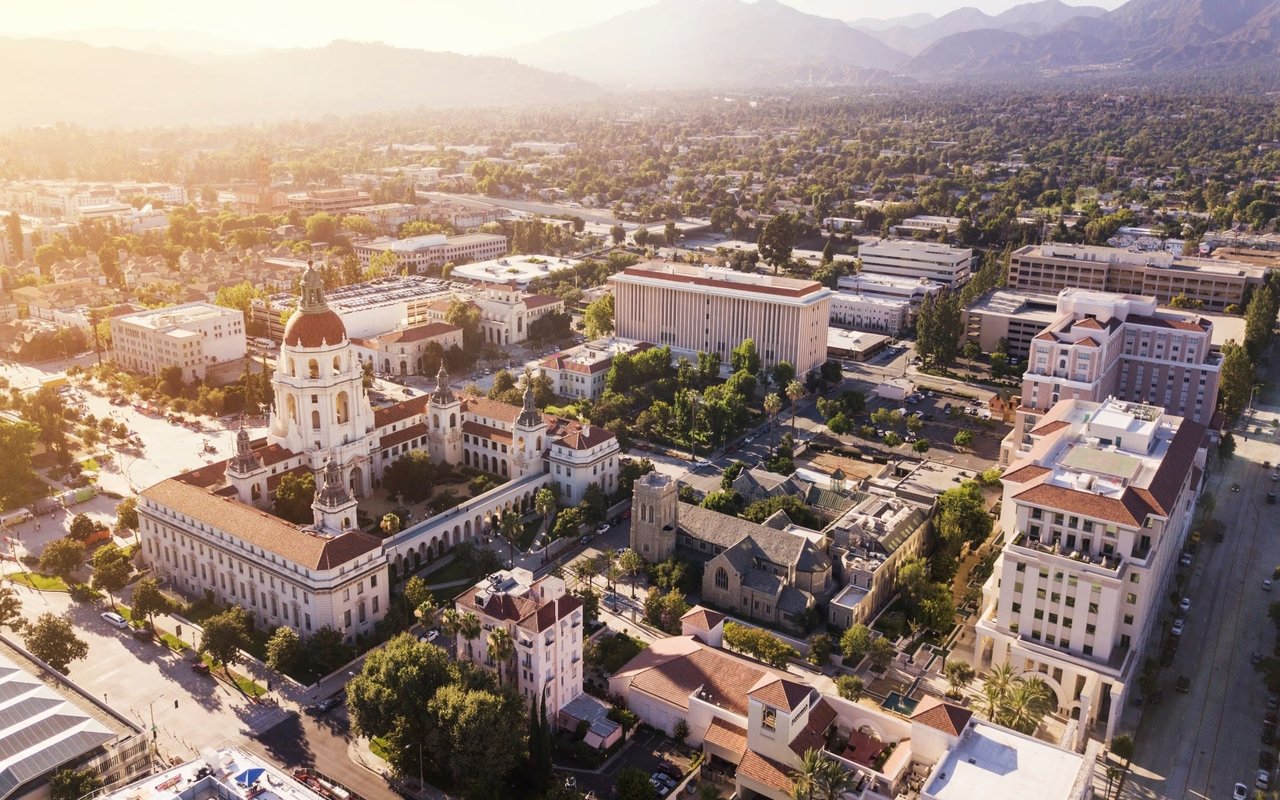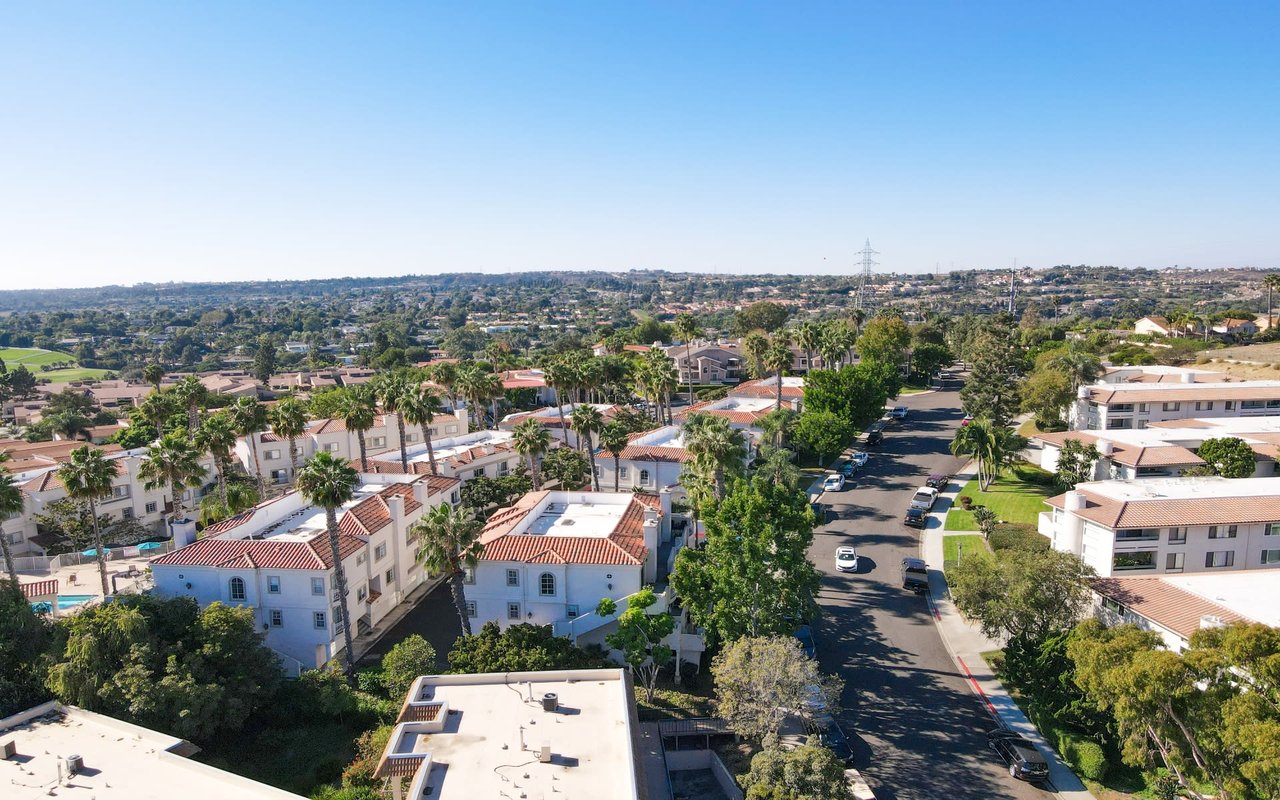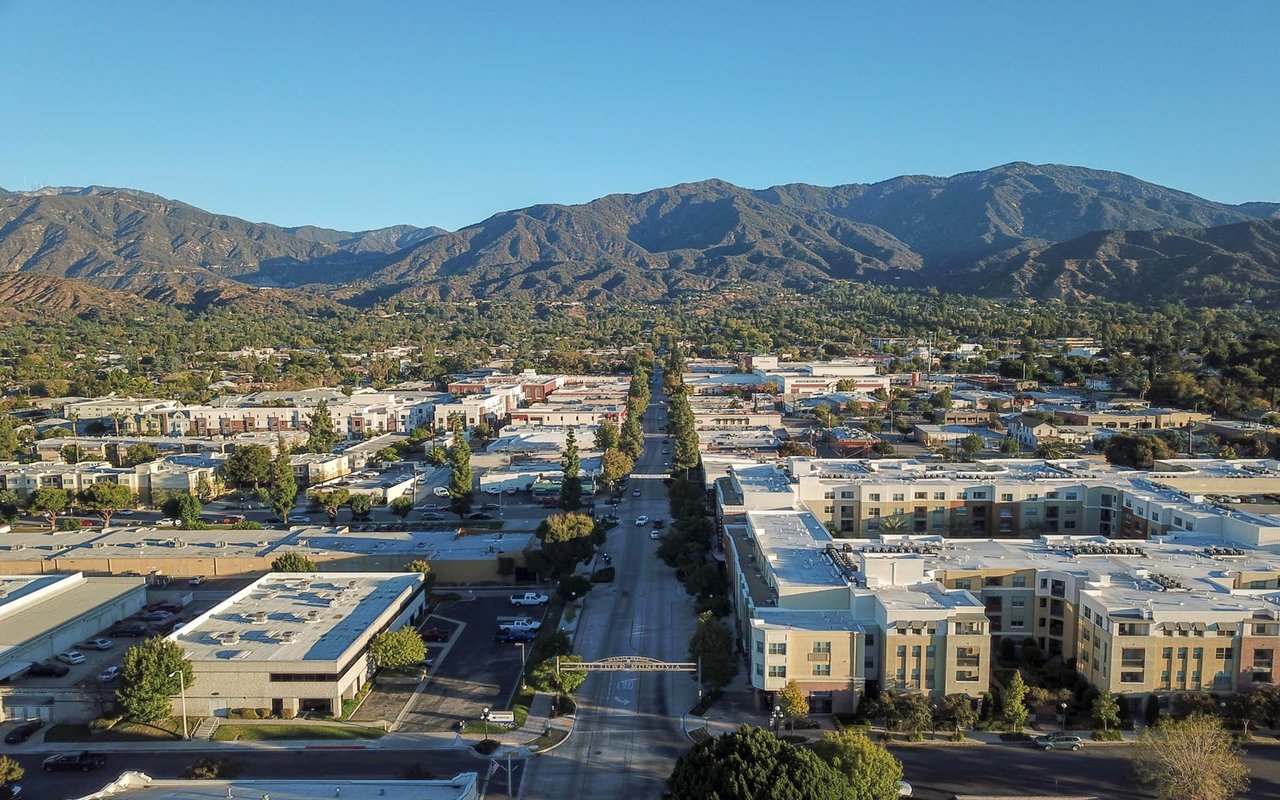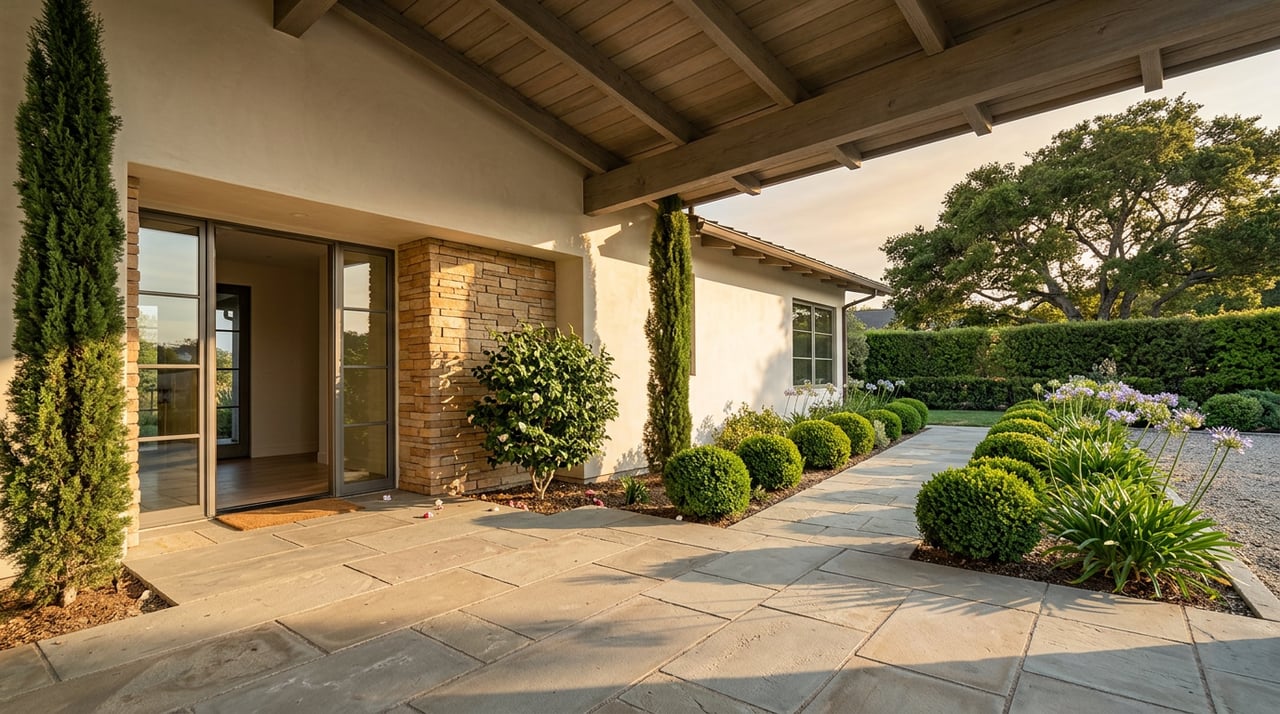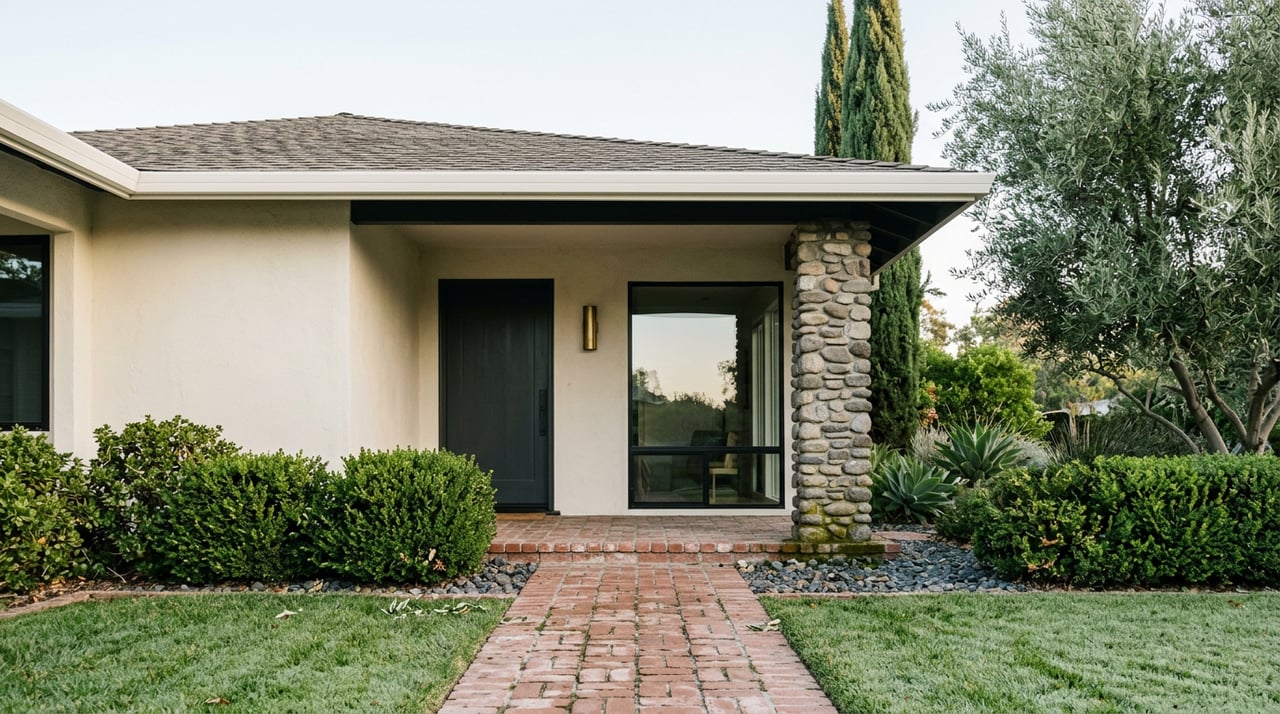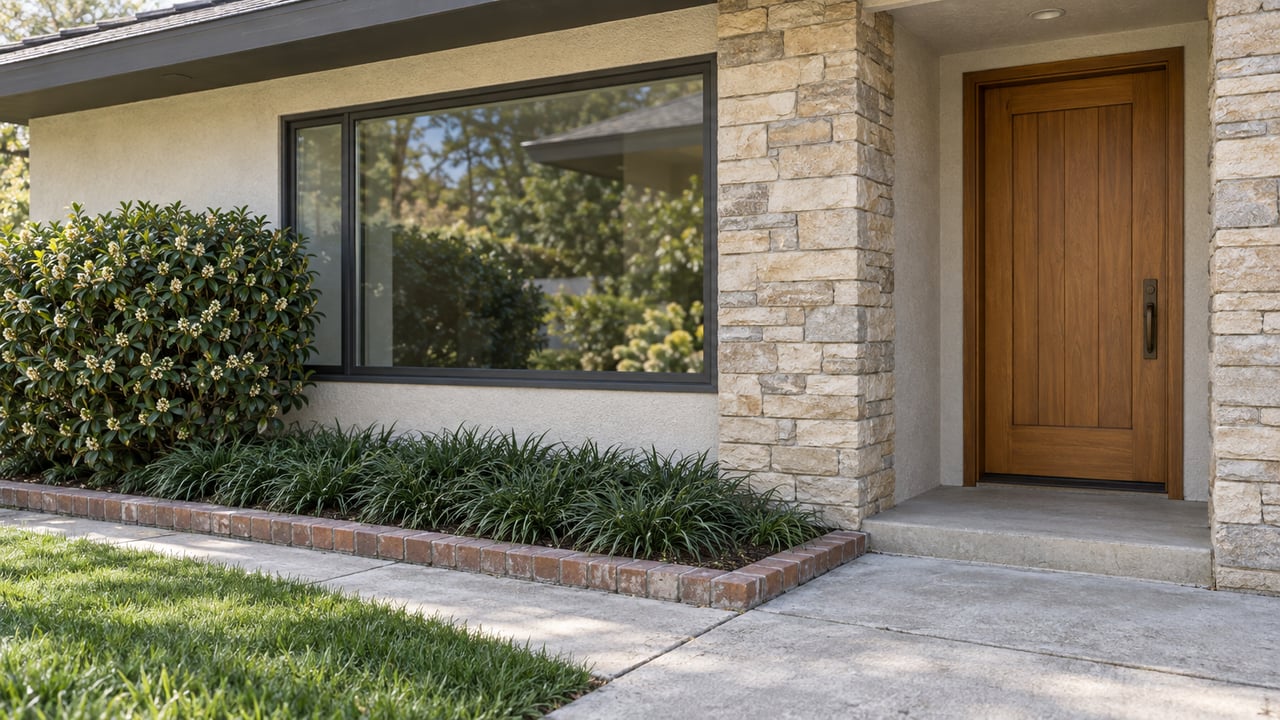
Two buyers with the same $1.6 million budget can end up in entirely different versions of Arcadia, and the median price quoted on every portal will not tell either one which version they are getting. One buyer lands a move-in-ready ranch on a quiet street in Southwest Arcadia with room to spare. The other barely qualifies for a fixer on a standard lot in Lower Rancho, competing against a rebuild crew that plans to demolish it within a year. Same city. Same median. Two different transactions with two different sets of math behind them.
The gap between those two purchases comes from how different the sub-markets inside Arcadia are, and a single citywide number averages them together.
One Median, Five Housing Products
Arcadia's reported median sale price has moved around depending on who is reporting it and when. Some sources put the single-family median near $1.4 million as of mid-August 2026, while earlier 2026 reporting put it closer to $1.8 million, and a separate 2026 market report pegged the Q2 SFR median at $1.78 million with quarterly pricing ranging from $1.67 million to $1.89 million depending on the month. None of these figures is wrong. They are measuring different slices of the same city at different moments, and the spread between them is the first clue that "Arcadia" is not one market.
The geography explains the rest. Upper Rancho, north of Foothill Boulevard and east of Santa Anita Avenue, carries Arcadia's largest lots, often a half acre to a full acre, with price points running $3 million to $8 million and up. Lower Rancho, just south of Foothill and west of Santa Anita, has slightly smaller parcels but still delivers estate-scale homes in the $2 million to $5 million range. Move toward Baldwin Stocker or Southwest Arcadia and smaller lots keep entry prices in the $1.1 million to $2 million band, all while still sitting inside the Arcadia Unified attendance area. A shopper anchored to the citywide median can easily overshoot what a starter budget actually buys in Southwest Arcadia, or badly undershoot what it takes to compete in Upper Rancho.
Through the second quarter of 2026, the velocity in the middle tier told its own story. Median days on market for single-family homes held at 9 in April, 14 in May, and 15 in June, based on CRMLS sales data. Multiple-offer situations were common in the $1.5 million to $2.5 million range, and homes in preferred school zones frequently drew offers above asking within the first week. That kind of speed rewards buyers who have already figured out which sub-market fits their number before they start touring, not after an offer deadline has already passed.
| Sub-area | Typical lot size | Price range (2026) | Character |
|---|---|---|---|
| Upper Rancho | Half acre to full acre | $3M – $8M+ | Highest concentration of new construction and luxury rebuilds |
| Lower Rancho | Smaller than Upper Rancho, still substantial | $2M – $5M | Estate-style homes, active rebuild activity |
| Santa Anita Oaks | Varies, older ranch lots | Overlaps Lower Rancho pricing | Significant teardown-rebuild wave over recent years |
| Baldwin Stocker / Southwest Arcadia | Smaller parcels | $1.1M – $2M | Entry point still inside Arcadia Unified boundaries |
| Central/South Arcadia condos | N/A (attached) | $821K – $921K | 47 sales in Q2 2026, concentrated near Westfield Santa Anita |
Arcadia's condo and townhome market deserves its own mention, since it rarely comes up next to the single-family numbers. It gives buyers a way into Arcadia schools and the Arcadia address without the single-family price tag, and it sold in real volume last quarter rather than sitting as a theoretical alternative.
The Square Footage Costs About What You'd Expect. The Lot Doesn't.
Here is the part that surprises people who assume Arcadia simply carries a flat premium over its neighbors. Through the second quarter of 2026, Arcadia's median price per square foot ran about $782, based on CRMLS data. San Gabriel, immediately to the west, ran $763 per square foot over the same period. Alhambra came in lower still at $698. Those gaps are real but modest, especially set against the difference in total sale prices, which run roughly $420,000 higher in Arcadia than in San Gabriel and about $740,000 higher than in Alhambra.
Put plainly, the finished square footage in an Arcadia home is not dramatically more expensive to build or buy than the same square footage next door. The premium is concentrated in the land: bigger lots, bigger houses, and a school-boundary line that buyers are willing to pay to stay inside. A buyer comparing Arcadia against San Gabriel on a strict per-square-foot basis is comparing two markets that are nearly identical on that measure and radically different on land and scale. Arcadia's premium sits almost entirely in lot size and total square footage, not in a higher construction or finish cost per foot.
What the Teardown Wave Actually Costs at Tax Time
The other blind spot shows up for anyone eyeing one of Arcadia's older ranch homes with a rebuild in mind. The teardown-rebuild wave has visibly reshaped streets in Upper Rancho, Santa Anita Oaks, and parts of Lower Rancho over the past several years, and the logic behind it is straightforward: these lots often carry land value that exceeds what the existing 1950s or 1960s structure is worth on its own.
What is less obvious is how California treats the property tax consequence, and it does not work the way most people assume from hearing about Proposition 13 in general terms. An addition or a remodel only triggers reassessment on the value of the new work. The original protected assessment on the rest of the property stays in place. A full teardown and rebuild does not get that treatment. When an entire structure comes down and gets replaced, the new house is treated as new construction in its entirety and reassessed at full current market value.
That difference matters most at the exact moment a buyer is choosing between two similar listings. Picture a $2.8 million move-in-ready home in Lower Rancho sitting next to a $2.2 million rebuild candidate on a comparable lot. The lower purchase price looks like the better deal until the tax math gets run on the finished product rather than the acquisition price. The eventual reassessment lands on the new structure's full value, not on an incremental bump layered onto the old assessment. A buyer who runs that comparison before making an offer is working from a completely different set of numbers than one who runs it after closing.
This is also why a straightforward remodel and a full rebuild are not really competing on cost alone. They are competing on two different long-term tax trajectories, and the sub-area someone is buying into, Upper Rancho versus Southwest Arcadia versus Baldwin Stocker, determines how often that decision even comes up. The rebuild wave concentrated where the land value most clearly outstrips the structure's value, and that concentration is not evenly spread across the city the median price implies.
FAQ
Is Arcadia currently a buyer's market or a seller's market? Based on Q2 2026 activity, it favors sellers, particularly in the $1.5 million to $2.5 million range, where multiple offers stayed common and days on market held in the single and low double digits through April, May, and June.
Can I still buy into Arcadia Unified for under $1.5 million? Yes, primarily in the Baldwin Stocker and Southwest Arcadia areas, where smaller lots keep entry prices in the $1.1 million to $2 million range while still carrying full district access.
If I remodel or add on instead of tearing down, does my property tax bill jump the same way? No. A remodel or addition is reassessed only on the value of the new work, while the original assessed value on the rest of the home stays in place under Proposition 13. A full teardown and rebuild is reassessed as entirely new construction at full market value, which is a materially different calculation over the life of ownership.
Deciding between a move-in-ready Lower Rancho home and a rebuild candidate on a similar lot, or figuring out whether Baldwin Stocker or Upper Rancho actually fits a specific budget, is exactly the kind of comparison that gets harder the later it happens in a transaction. Speranta Group works through that math with Arcadia buyers and owners before an offer gets written or a listing goes live, so the sub-market and the tax consequence are both accounted for from the start.