If you price your Pasadena home based on one citywide average, you could miss the mark before your listing even goes live. Sellers here are not stepping into one simple market. They are stepping into a city made up of distinct micro-markets, each with its own pricing patterns, buyer expectations, and pace of sale. If you want to protect your price and timing, it helps to understand how your part of Pasadena really behaves. Let’s dive in.
Why Pasadena acts like several markets
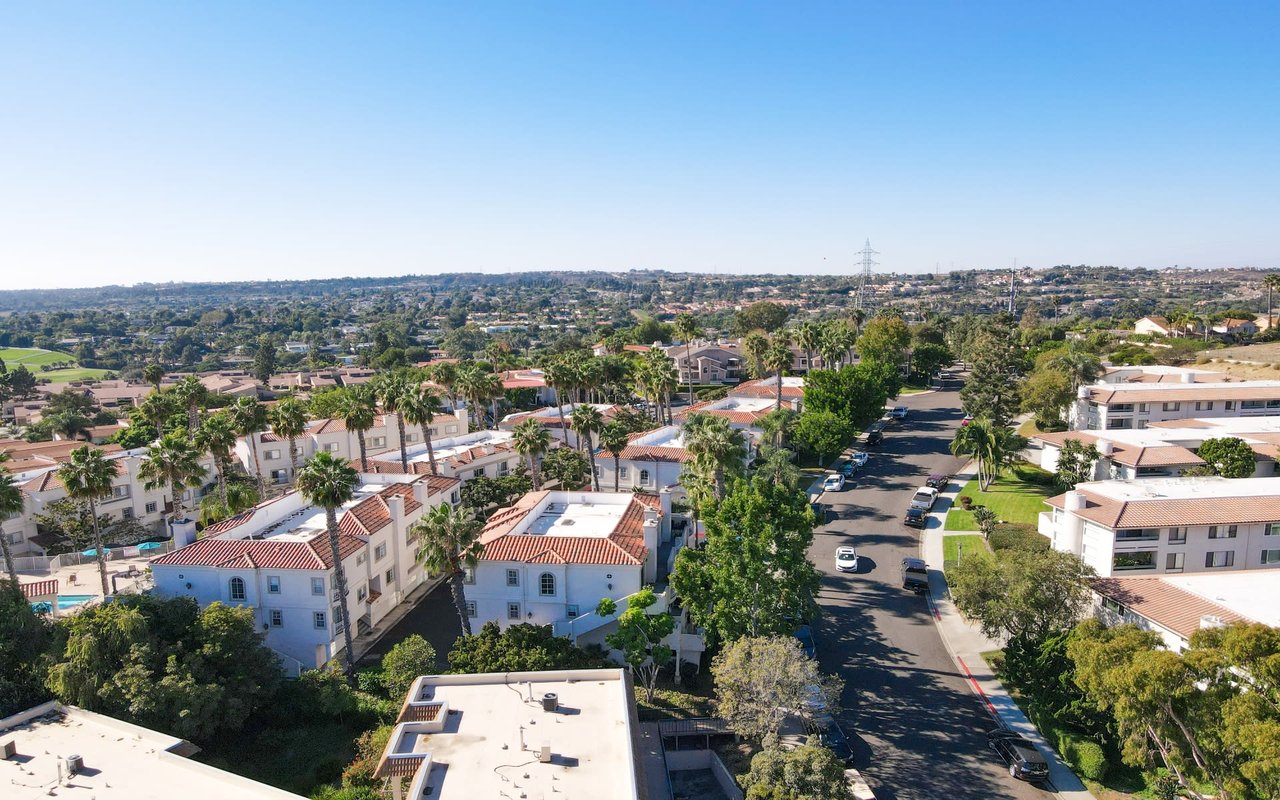
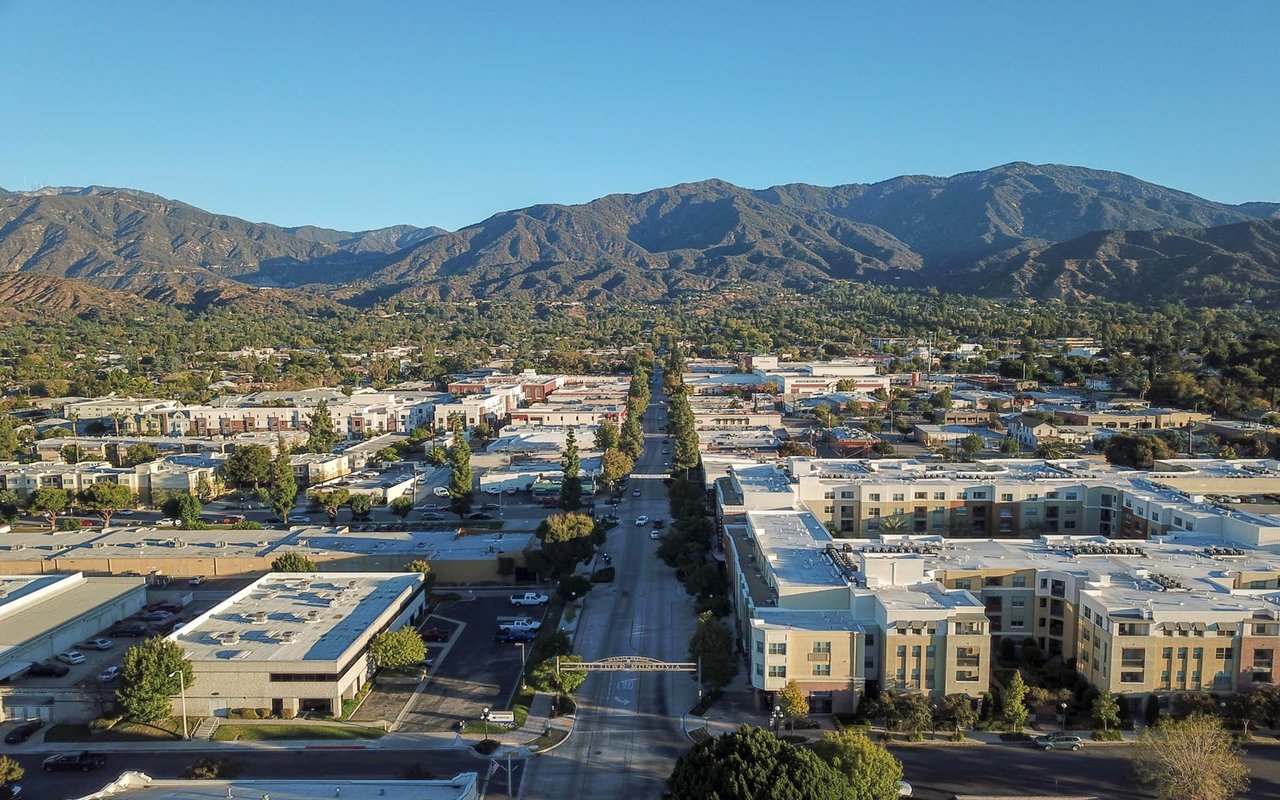
Pasadena is shaped by neighborhood-level differences that go well beyond a zip code. The city’s council districts often line up with recognizable micro-markets, such as west Pasadena and the Arroyo in District 6, the Madison Heights, Oak Knoll, South Lake, and Playhouse Village corridor in District 7, and east Pasadena including Hastings Ranch in District 4.
The city also directs growth differently across places like the Central District, Transit Villages, and Neighborhood Villages. On top of that, Pasadena uses eight specific plans to guide neighborhood design and land use. With about 75% of housing built before 1970 and more than 375 designated historic properties plus dozens of historic districts, it makes sense that one side of town can sell very differently from another.
Citywide numbers are only a baseline
At first glance, citywide stats can look helpful. Redfin’s April 2026 Pasadena snapshot shows a median sale price of $1,224,368, 33 median days on market, and 226 homes sold. Realtor.com’s March 2026 snapshot shows a balanced market with 40 median days on market and a 101% sale-to-list ratio.
Those figures are useful for context, but they should not drive your list price by themselves. The two sources already show different results because they use different time windows and methods. More importantly, they blend together luxury single-family homes, historic properties, condos, and attached homes that do not compete with one another in the same way.
Historic districts can move fast
Bungalow Heaven
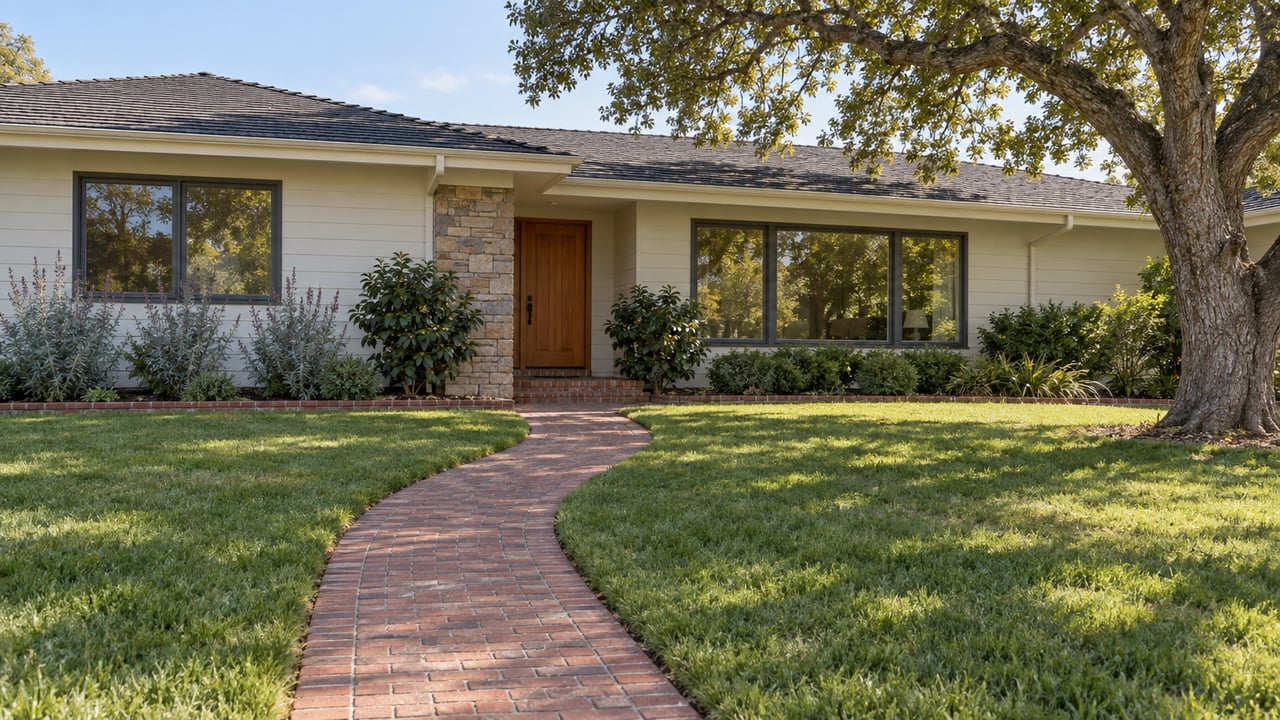
Bungalow Heaven is one of Pasadena’s best-known historic areas, with a large collection of California Craftsman bungalows, open front porches, detached garages, and tree-lined streets. That preserved character can create strong buyer demand, especially when a home’s condition and presentation line up with what buyers expect from the area.
In April 2026, Bungalow Heaven had a median sale price of $1,094,593 and a median 15 days on market. Redfin also described it as very competitive, with homes averaging about 6% above list and going pending in around 28 days over the last year. At the same time, only one home sold in that monthly snapshot, so sellers should be careful not to overreact to one month of data.
Madison Heights and Oak Knoll
Madison Heights and Oak Knoll are older central Pasadena neighborhoods with long-established historic identity. The city notes that these areas were subdivided in the late 19th century, with some of the oldest homes dating to 1890 in Madison Heights and 1905 in Oak Knoll.
Their market behavior is not the same, even though they are both centrally located. In April 2026, Madison Heights posted a median sale price of $972,638 and 28 median days on market. Oak Knoll posted a median sale price of $3,773,597 and just 12 median days on market, but only two homes sold, which means the monthly median can swing sharply.
That difference matters when you price your home. A seller in Madison Heights should not anchor to Oak Knoll’s luxury pricing, and an Oak Knoll seller should not rely on broad Pasadena averages that dilute the high-end segment. In thin-sample luxury pockets, the story is often found in a longer lookback window, not one month alone.
East Pasadena has its own rhythm
Hastings Ranch and the east side
East Pasadena has a different mix of housing, retail activity, and transit access than many of the older central and west-side neighborhoods. The city describes East Pasadena as a major regional retail area and notes planning support for housing near jobs and transit.
Hastings Ranch is part of that east-side conversation. In April 2026, Hastings Ranch recorded a median sale price of $1,439,465, a median 48 days on market, and a 103.3% sale-to-list ratio. Redfin also described the neighborhood as very competitive, with homes typically going pending in about 45 days.
What does that mean if you are selling there? You may still see strong pricing, but the pace may be slower than in some of Pasadena’s most sought-after historic enclaves or very limited luxury pockets. That is why your prep, pricing, and early marketing strategy matter.
Condo corridors behave differently
South Lake and Playhouse District
The Central District and its subareas bring another layer to Pasadena’s market. The city’s Central District Specific Plan describes the area as a place to work, shop, live, play, raise a family, and age with dignity. Within that broader area, the Playhouse subarea centers on arts, culture, and a mix of commercial and residential uses.
In March and April 2026, South Lake and the Playhouse District showed patterns more typical of condo and attached-home markets. These areas had lower price points and longer marketing periods than premium single-family enclaves.
South Lake showed a median sold price of $685,000 on Realtor.com, with 51 days on market, 30 active listings, and a 100% sale-to-list ratio. Redfin’s South Lake data came in slightly higher at $717,483 with 48 days on market, again showing how different platforms can vary.
The Playhouse District posted a median sale price of $801,000, 53 days on market, and a 101.8% sale-to-list ratio, with 57.1% of homes selling above list. These are not weak results, but they reflect a different product type and buyer pool. If you own a detached home, these numbers are not the right benchmark for your valuation.
Why one side of Pasadena sells differently
Several forces shape Pasadena’s micro-markets.
First, property type matters. Detached homes in areas like Hastings Ranch, Linda Vista, or Oak Knoll trade differently from condos and attached homes in South Lake or the Playhouse District.
Second, historic character matters. Pasadena has an unusually deep historic inventory, and that can affect buyer appeal as well as remodeling flexibility. In neighborhoods with historic guidelines or review considerations, buyers may weigh design integrity and preservation context more carefully.
Third, market depth matters. When only one or two homes sell in a month, the median can move a lot based on a single closing. That is why small neighborhoods often require a broader lookback period and more careful comp selection.
Finally, condition and pricing strategy matter. Recent sales in Pasadena showed major variation inside the same neighborhood. In Linda Vista, one home sold 32% over list after 24 days while another sold 4% under list after 105 days. Bungalow Heaven also had a sale that closed 9% under list after 175 days. The lesson is simple: matching by neighborhood alone is not enough.
What this means for your pricing strategy
If you are preparing to sell in Pasadena, your pricing process should start with a neighborhood-level comparative market analysis, not a citywide estimate. You want comps that match your exact area, property type, condition, and likely buyer pool.
A smart valuation should also account for whether your neighborhood has thin sales volume. In places like Oak Knoll or Bungalow Heaven, a single month can tell an incomplete story. Looking at a wider set of recent sales can give you a more stable pricing range.
For sellers, this is where local knowledge becomes practical, not just nice to have. A strong strategy combines relevant comps, realistic timing expectations, and a clear plan for how to respond if buyer activity is slower than expected.
Questions to ask before you list
Before you rely on any pricing opinion, ask a few direct questions.
- Which exact Pasadena micro-market are you using for comps?
- Are you comparing my home to the same property type, or blending detached homes with condos and attached homes?
- How many closed sales are actually in the lookback window?
- Does the valuation reflect any historic-district or design-review considerations?
- What days-on-market and sale-to-list ratio range is realistic for my area?
- If showings are light, what is the price-adjustment plan and how quickly would you act?
These questions help you move from a broad estimate to a strategy built around your actual home. In Pasadena, that difference can have a real impact on both sale price and time on market.
The takeaway for Pasadena sellers
Your home does not sell in “Pasadena” in the abstract. It sells in a specific slice of Pasadena, with its own housing stock, buyer expectations, and level of competition. That is why broad averages can be helpful for context but risky for decision-making.
The better approach is to treat Pasadena as a collection of micro-markets and price from the ground up. When you use the right neighborhood boundaries, the right property-type comps, and the right local context, you give your sale a stronger chance to launch well and close on better terms.
If you want a pricing strategy built around your exact Pasadena micro-market, Speranta Group can help you evaluate your home with local context, data-driven guidance, and a tailored plan designed to support a strong sale.
FAQs
How do Pasadena micro-markets affect my home sale price?
- Pasadena micro-markets can affect both your pricing range and buyer demand because different neighborhoods, property types, and sales volumes behave differently from the citywide average.
Why are Pasadena citywide housing stats not enough for sellers?
- Citywide stats blend together very different areas and housing types, so they are best used as background context rather than as the main basis for your list price.
Which Pasadena neighborhoods move differently from each other?
- Recent data shows different patterns across Bungalow Heaven, Madison Heights, Oak Knoll, Hastings Ranch, South Lake, and the Playhouse District, with meaningful differences in price points, days on market, and competitiveness.
How does historic status affect a Pasadena home sale?
- Historic context can influence buyer appeal and may also affect remodeling flexibility or design-review considerations, which can shape how buyers view value in certain neighborhoods.
Why do small sales counts matter in Pasadena neighborhoods?
- In neighborhoods with only one or two monthly sales, one closing can shift the median sharply, so sellers should usually look at a longer window of comparable sales.
What should I ask for in a Pasadena home valuation?
- Ask for a neighborhood-level CMA that uses the right micro-market boundaries, matches your property type and condition, reflects historic considerations where relevant, and sets realistic expectations for timing and sale-to-list ratio.