Are you looking at Sierra Madre and wondering why its foothill homes leave such a lasting impression? You are not imagining it. This small city pairs mountain-edge scenery, preserved residential character, historic architecture, and everyday access to trails in a way that feels distinct from many nearby communities. If you want to understand what really drives the appeal, this guide breaks down the setting, home styles, lifestyle perks, and practical realities that shape Sierra Madre living. Let’s dive in.
Foothill Setting Shapes the Experience
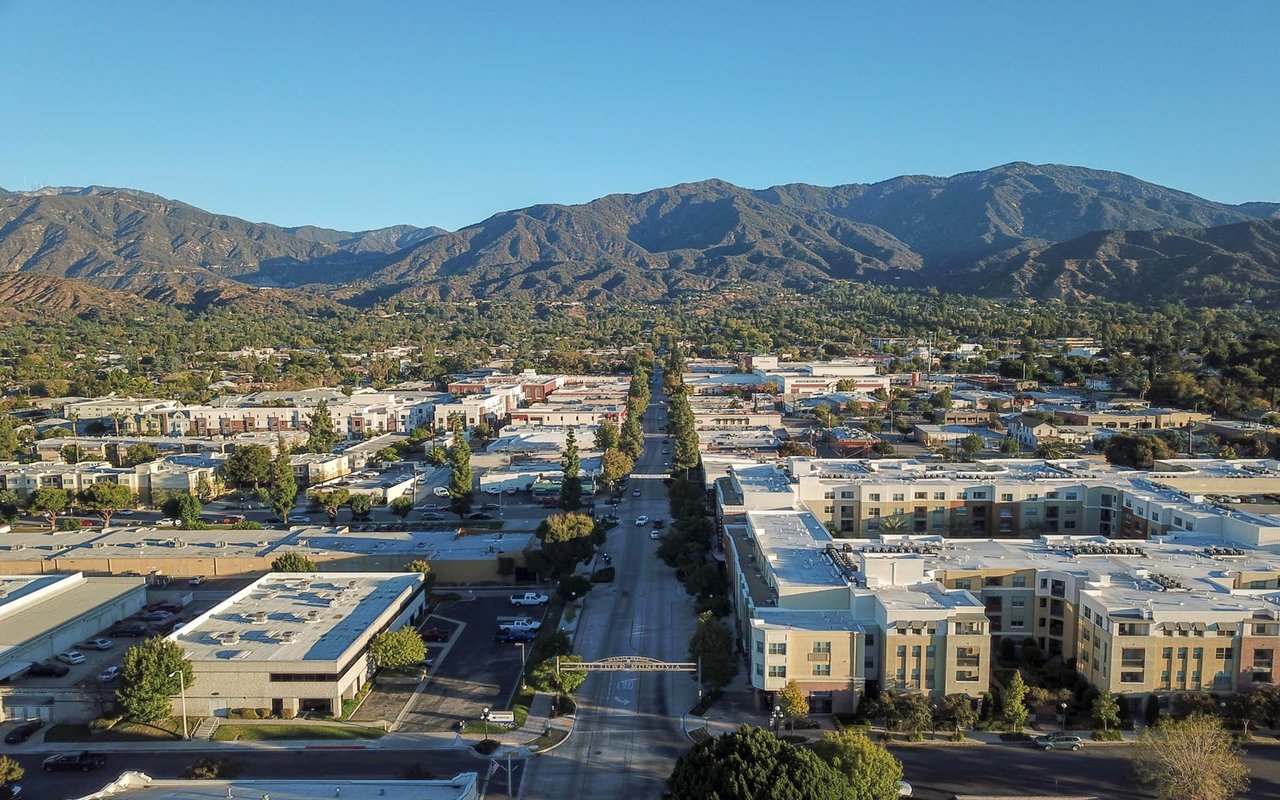
Sierra Madre’s appeal begins with its location at the foot of the San Gabriel Mountains. City planning materials describe a landscape shaped by scenic foothills, hillsides, canyons, native vegetation, and natural drainage patterns that the city works to preserve. That physical setting gives many homes a close connection to the land around them.
Just as important, Sierra Madre is overwhelmingly residential. The city’s land use pattern keeps commercial activity concentrated in the historic downtown, while most of the community remains low-density housing. For you, that can translate into a setting that feels quieter, more compact, and more tucked in than a larger, more spread-out suburb.
Residential Scale Feels Different Here
A big part of Sierra Madre’s charm is its scale. The Housing Element notes that many low-density areas are organized around one dwelling per lot, while downtown serves as a village center with small storefronts, restaurants, service businesses, and institutional uses. That mix helps create a residential atmosphere without placing you far from daily conveniences.
In practical terms, foothill homes here often feel connected to a town, not isolated from it. You can have a home near open space while still being close to the city’s central commercial district. That balance is one reason Sierra Madre stands out in the San Gabriel Valley.
Architecture Adds Lasting Character
Sierra Madre’s historic preservation culture plays a major role in how its foothill neighborhoods look and feel. The city’s designated landmarks reflect a wide range of architectural styles and building types, including Craftsman, Spanish Colonial Revival, Spanish Revival, Spanish or Mediterranean Revival, Romanesque Revival, and National Folk House properties. This variety gives the area visual depth that many buyers notice right away.
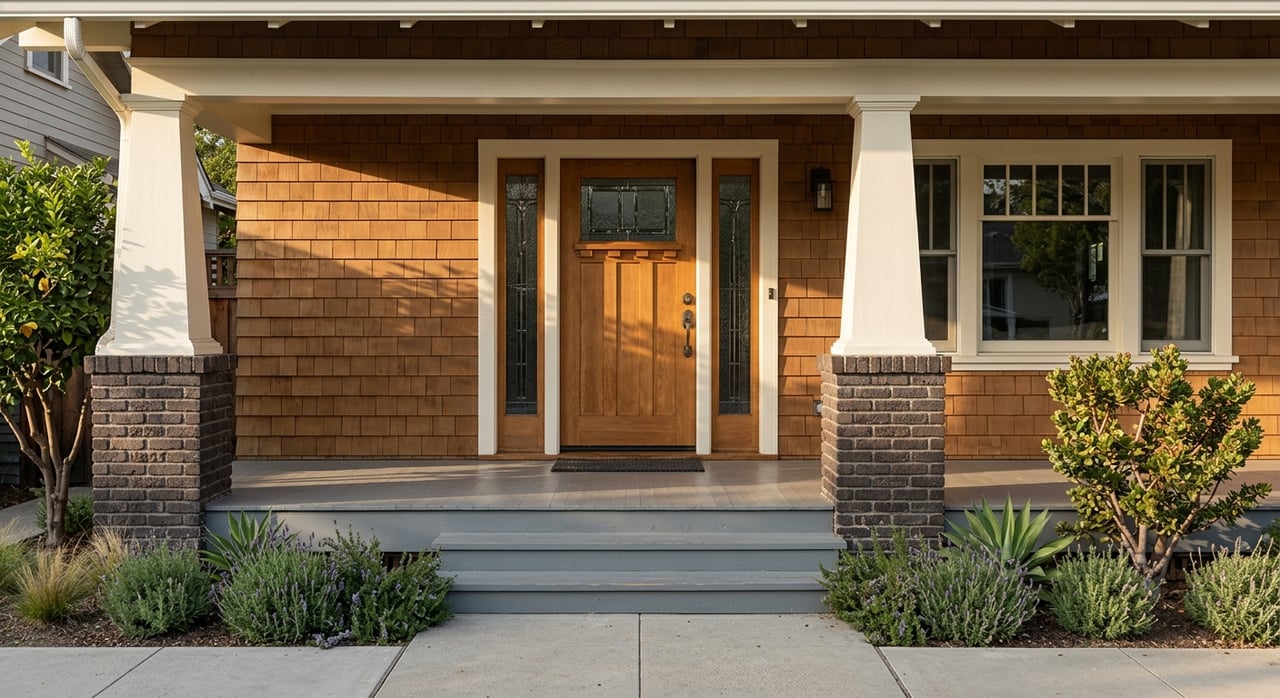
For many people, Craftsman homes are especially tied to Sierra Madre’s identity. City historical materials describe classic Craftsman features such as low-pitched roofs, wide eave overhangs, exposed rafters, wood siding, and generous porches. These details help create the warm, grounded look that buyers often associate with older foothill properties.
Homes Often Feel Part of the Landscape
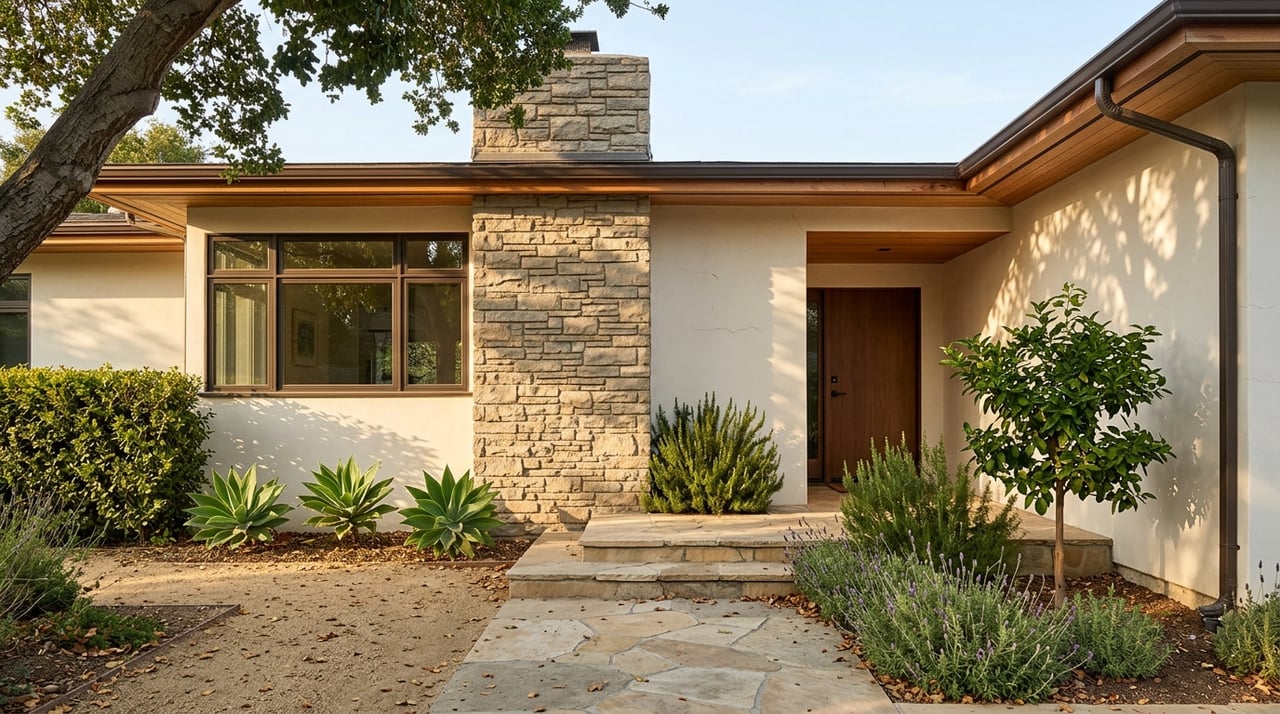
One of the most appealing things about Sierra Madre foothill homes is how naturally many of them sit within their surroundings. The city’s hillside regulations limit development and grading in order to preserve natural topography. That policy helps protect the sense that the land still matters here.
In the Residential Canyon area, the Housing Element notes that many properties began as vacation homes in the 1920s and 1930s. Because of that history, lots and structures are often smaller than average, and local zoning is designed to preserve the area’s quaint character while discouraging overbuilding. For you, that can mean a more intimate streetscape and a neighborhood feel that is harder to replicate in areas shaped by larger-scale redevelopment.
Historic Preservation Supports Long-Term Appeal
Preservation is not just about looks. It also reflects a long-term local commitment to maintaining architectural character. Sierra Madre’s landmark program recognizes homes and other properties that represent the city’s cultural, historical, and architectural heritage.
The city also offers a Mills Act program for owners of designated historic landmarks. Under that program, eligible owners can apply for a contract that requires preservation and maintenance in exchange for a property tax reduction. While not every home qualifies, this program helps explain why historic properties in Sierra Madre continue to receive serious attention from owners who value stewardship.
Trails and Open Space Shape Daily Life
The foothill lifestyle in Sierra Madre goes beyond views from a front porch. City planning documents emphasize the protection of natural hillsides, canyons, wildlife habitat, and recreational open space. That means the outdoor environment is not treated as an afterthought. It is part of the community’s identity.
If you enjoy being outside, Sierra Madre offers direct access to notable local trails. The city highlights Bailey Canyon’s Live Oak Nature Trail as an easy oak woodland loop, Canyon View as a short trail leading to a waterfall, and Bailey Canyon Trail as a longer route toward MacCloud Saddle and Jones Peak. The Mt. Wilson Trail also begins in Sierra Madre and heads toward Mount Wilson Observatory, with First Water and Orchard Camp as key waypoints.
Tree Canopy Strengthens the Setting
The city’s urban forest adds another layer to the appeal. Sierra Madre’s Community Forest Management Plan points to local pride in the tree canopy, including native oaks and sycamores. The city also says it oversees more than 5,000 public trees.
That kind of mature greenery can shape how a neighborhood feels on an everyday basis. It softens the streetscape, supports shade, and reinforces the sense that homes are woven into a natural setting. In foothill neighborhoods, that tree presence often becomes part of what people remember most.
Downtown Keeps Convenience Close
While the foothills create the backdrop, downtown gives Sierra Madre much of its daily rhythm. City zoning and planning materials describe the historic downtown as the community’s commercial core, with one- and two-story buildings and pedestrian-oriented streets. Because commercial land is concentrated there, the town center plays an outsized role in everyday life.
For you, this can mean a simpler pattern of living. Instead of a landscape dominated by large commercial corridors, Sierra Madre offers a more focused village center with local businesses and restaurants. That setup supports convenience while preserving the residential feel of the surrounding neighborhoods.
Community Traditions Add to the Lifestyle
Housing appeal is not just about the house itself. It is also about what your weekly and seasonal life feels like. Sierra Madre promotes recurring events such as summer concerts at the Memorial Park Bandshell, community bike rides, Art Walk connections, and Movies in the Park.
The city’s historical materials also point to long-running traditions such as the Mount Wilson Trail Race and Wistaria celebrations. Together, these events help create a community rhythm that feels local and established. For many buyers, that kind of civic continuity adds real value to the experience of living in a foothill town.
Why Buyers Notice Sierra Madre Foothill Homes
When you put all of these pieces together, the appeal becomes easier to understand. Sierra Madre foothill homes combine preserved residential scale, distinctive architecture, trail access, mature trees, and a walkable village center. Very few communities bring those elements together in such a concentrated way.
That does not mean every home is the same. Some buyers may be drawn to historic details and smaller canyon lots, while others may focus more on access to downtown or proximity to trailheads. But across property types, the broader appeal usually comes back to character, setting, and the feeling that the community has protected what makes it special.
Practical Realities Matter Too
A balanced view of Sierra Madre should also include the responsibilities that come with a foothill setting. The city states that it is located within designated Fire Hazard Severity Zones, and the fire department emphasizes brush clearance, defensible space, weed abatement, and inspections as part of wildfire prevention. These are important parts of owning and maintaining property in this environment.
For you, that means the appeal of the landscape comes with ongoing stewardship. The same hillsides, vegetation, and canyon edges that make the area beautiful also require care and awareness. Many buyers appreciate Sierra Madre most when they understand both sides of that equation.
What It Means for Your Home Search
If you are searching for a home in Sierra Madre, it helps to look beyond square footage alone. Pay attention to how a property relates to the hillside, lot shape, tree canopy, and access to downtown or trails. In a place like this, the setting often matters as much as the floor plan.
It also helps to understand how preservation, zoning, and neighborhood scale influence what you are seeing. Sierra Madre is not appealing by accident. Much of its character comes from long-term local policies that aim to preserve natural topography, historic resources, and the town’s residential identity.
If you want help evaluating Sierra Madre foothill homes or preparing to sell in this highly specific market, Speranta Group brings deep San Gabriel Valley knowledge and a high-touch approach to every step of the process.
FAQs
Why are Sierra Madre foothill homes considered unique?
- Sierra Madre foothill homes stand out because they combine mountain-edge scenery, preserved residential scale, historic architecture, trail access, and close proximity to a village-style downtown.
What architectural styles are common in Sierra Madre?
- City preservation materials identify styles such as Craftsman, Spanish Colonial Revival, Spanish Revival, Spanish or Mediterranean Revival, Romanesque Revival, and National Folk House among Sierra Madre’s historic properties.
How does Sierra Madre’s downtown affect foothill living?
- Sierra Madre’s downtown serves as the city’s main commercial center, which helps keep most neighborhoods residential while still offering nearby restaurants, shops, and services in a pedestrian-oriented setting.
What outdoor features add to Sierra Madre home appeal?
- Access to trails, preserved open space, canyons, hillsides, native vegetation, and a large public tree canopy all contribute to the appeal of Sierra Madre foothill living.
What should buyers know about owning a foothill home in Sierra Madre?
- Buyers should understand that foothill ownership can involve added property stewardship, including brush clearance, defensible space, weed abatement, and other fire-prevention practices emphasized by the city.
Do historic Sierra Madre homes have special preservation programs?
- Some designated historic landmarks may be eligible for the city’s Mills Act program, which allows qualifying owners to apply for a preservation contract tied to potential property tax reduction.