Love the warm woodwork and big front porches that line Altadena’s tree‑canopied streets? You’re not alone. Craftsman homes define much of the area’s early 20th‑century charm, and they carry both architectural significance and clear market value when maintained with care. In this guide, you’ll learn how to identify authentic Craftsman features, what condition issues to look for, how to update respectfully, and how those choices affect resale in Altadena. Let’s dive in.
What Craftsman means in Altadena
In Southern California, the Craftsman style grew from the Arts & Crafts movement and surged in popularity between 1900 and 1930. In and around Altadena and Pasadena, the influence of master designers like Greene & Greene helped shape everything from modest bungalows to larger “ultimate” examples on view-oriented lots near the foothills.
You’ll find a regional palette of natural materials: wood shingles or clapboard siding, oak interiors, exposed joinery, and porch piers in stone or brick. Many houses are modest to mid‑size, designed for practical living and a strong connection between indoor comfort and outdoor space.
Key exterior features to spot
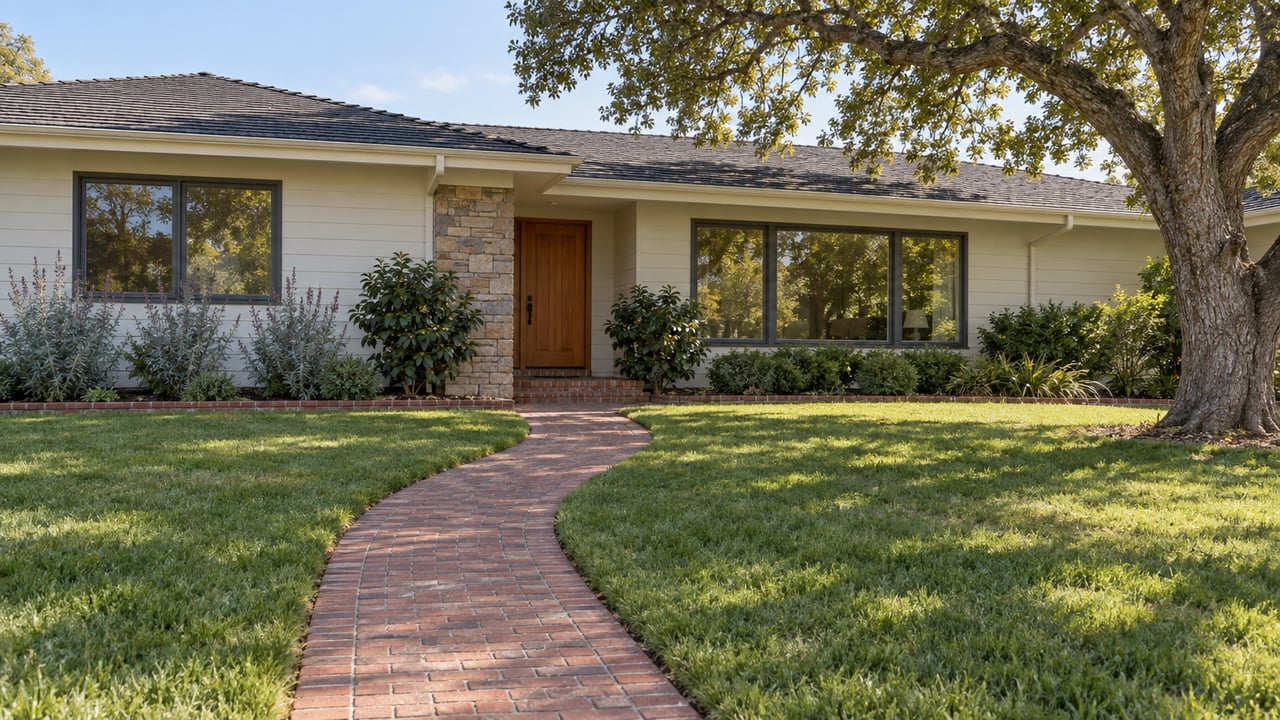
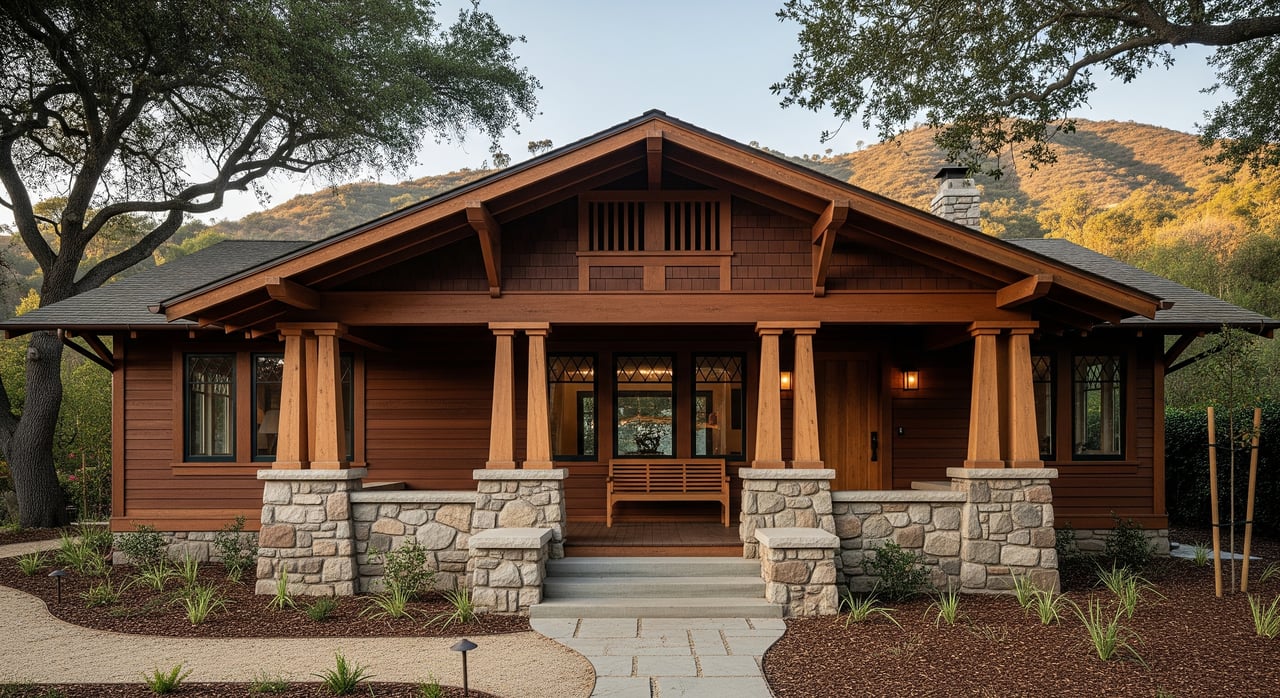
If you’re touring Altadena listings or preparing to list, start outside. Hallmark exterior elements include:
- Low‑pitched front or cross‑gabled roofs with wide overhangs and exposed rafter tails.
- Substantial front porches with tapered or square columns on stone or brick piers.
- Exposed beams, decorative brackets, and knee braces at gable ends.
- Multi‑pane‑over‑single‑pane windows, often in groups that bring in generous light.
- Natural, visible materials including wood trim, shingles, and period masonry.
- Substantial chimneys that often integrate with the porch or entry composition.
These details are not just cosmetic. They are character‑defining features that buyers recognize and often pay a premium to get.
Inside a Craftsman home
Interiors are where the style shines. Look for:
- Built‑ins like bookcases, window seats, dining room buffets, and inglenook benches.
- Wide oak trim, wainscoting, wood paneling, and beamed ceilings.
- Original hardware and light fixtures that reflect hand‑crafted quality.
- Efficient, semi‑open plans for the era, with sightlines between living and dining.
When intact and well maintained, these interior elements create a powerful first impression and can be a deciding factor for preservation‑minded buyers.
Condition and safety priorities
Many Altadena Craftsman homes predate modern codes. Knowing where issues arise helps you plan inspections, repairs, and disclosures.
Foundation and seismic basics
Older wood‑frame houses often sit on pier‑and‑beam or shallow continuous footings. Common signs of concern include uneven floors, settling, deteriorated piers, and unbraced cripple walls. In earthquake country, seismic vulnerabilities like unbolted sill plates and unreinforced chimneys are high‑priority fixes. Basic retrofits that bolt the frame to the foundation and brace short walls are widely recommended and often expected by buyers.
Wood, siding, and termites
Exposed wood elements are a point of pride and a maintenance responsibility. Rafter tails, porch columns, window sills, and siding can develop rot or show evidence of past or active termite activity. Peeling paint, soft spots, and patchwork repairs are signals to investigate. Repairing original shingles or clapboard in place, versus wholesale replacement, preserves character and often costs less than a full redo when planned early.
Roofs and chimneys
Historic roofing materials vary, and many systems have been replaced over time. Attic ventilation and proper flashing are key to avoiding leaks that can damage rafters and interior finishes. Masonry chimneys are frequently unreinforced in older homes and may be a collapse hazard in a quake. Assess condition and anchorage, and plan for seismic mitigation.
Windows and doors
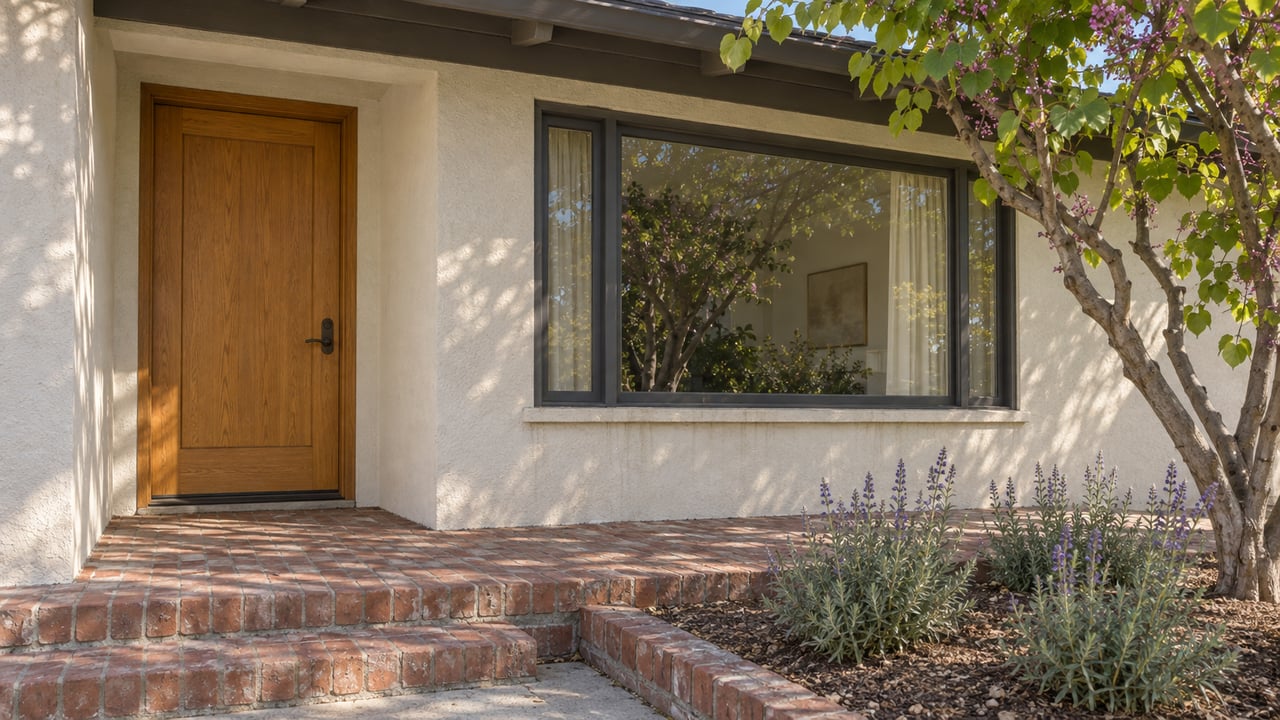
Original wood windows, with single glazing and distinctive muntins, are part of the architecture. Typical issues include sticking sashes, failed glazing putty, and air leakage. Hardware can be delicate yet valuable. Repair and weatherstripping often go a long way toward comfort without sacrificing authenticity.
Systems and potential hazards
- Electrical: Pre‑1940 wiring like knob‑and‑tube and undersized service can be outdated for modern loads. Upgrading the panel and replacing obsolete wiring improves safety and insurability.
- Plumbing: Galvanized steel or aging cast‑iron lines can corrode and reduce flow. Modern replacements improve reliability.
- Insulation and energy: Many walls are uninsulated, and attics may be under‑insulated. Air sealing and attic insulation deliver high comfort gains with minimal intrusion.
- Lead‑based paint: Homes built before 1978 often contain lead on interior and exterior surfaces. Follow proper disclosure and safe work practices.
- Asbestos: It can be present in later floor or wall materials added mid‑century. Test when in doubt before disturbing.
Moisture and site drainage
Altadena’s foothill setting can create localized runoff. Ensure soil slopes away from the foundation, gutters and downspouts are clear, and site drains are functional. Proactive water management protects foundations and wood elements.
Smart, respectful updates
A good rule of thumb is to retain and repair historic materials when feasible, and replace in‑kind when necessary. New work should be compatible with the old while being clearly of its time. This balanced approach protects both daily livability and long‑term value.
Systems buyers expect
- Electrical: Upgrade service and replace hazardous wiring. If you love original push‑button switch plates or period fixtures, preserve or store them where safe.
- Plumbing: Replace failing supply and drain lines with modern materials while minimizing intrusion into finished spaces.
- HVAC: Choose efficient systems that minimize visual impact. Ductless mini‑splits or carefully planned ducts can provide zoned comfort and cleaner lines.
- Insulation and air sealing: Start in the attic, then address weatherstripping and targeted air sealing. If wall insulation is planned, consider methods that preserve plaster and trim.
Seismic retrofits that add safety and value
Bolting sill plates, bracing cripple walls, securing chimneys, and reinforcing porch piers and roof framing where needed can meaningfully reduce risk. Retrofits typically require permits and inspections. Completed, documented seismic work is a strong selling point in Altadena.
Roof and exterior repairs
Repair original wood wherever possible to retain profiles and grain patterns. When replacement is necessary, match materials and dimensions. For roofing, pick a durable material that suits the home’s character and document rooflines and trim before work begins.
Windows: repair versus replacement
Refurbishing wood sashes, reglazing, and adding weatherstripping often outperform expectations. For energy performance, consider low‑visibility storm windows that preserve historic profiles. If replacement is unavoidable, choose custom wood units that match muntin patterns and proportions rather than generic options that disrupt the facade.
Kitchens and baths that fit
Aim for modern function with period‑appropriate form. Preserve built‑ins and millwork, and select cabinetry with simple joinery, natural woods, and classic tile. Thoughtful layouts can deliver everyday convenience without erasing the home’s character.
Materials and finishes
Use natural materials like wood, stone, and tile that echo the original palette. Retain or reproduce original hardware and lighting when possible. Listing photos that highlight genuine craftsmanship tend to resonate with the right buyers.
Value and resale in Altadena
Character sells in the Altadena and Pasadena region, where many buyers actively seek historic details. Two homes with similar square footage can perform very differently based on the integrity of original features and the quality of updates.
What adds measurable value
- Preserved elements: Built‑ins, oak trim, original windows, and intact fireplaces with inglenooks.
- Documented upgrades: Permitted electrical, plumbing, HVAC, roof, and seismic work.
- Quality workmanship: Repairs and replacements that match original profiles and materials.
Provide maintenance records, permits, and photos that document both preservation and modernization. Clear documentation reduces uncertainty and supports stronger pricing.
Common traps to avoid
- Removing character: Stripping trim, replacing wood windows with incompatible units, or covering siding with non‑matching materials can reduce appeal.
- Skipping safety: Deferring foundation, roof, or seismic issues can stall deals or trigger steep concessions.
- Over‑modernizing: High‑gloss contemporary finishes that fight the architecture may not deliver a full return.
Staging and marketing tips
- Spotlight craftsmanship: Photograph built‑ins, joinery, and porch details in natural light.
- Tell the story: Share the year built, documented improvements, and any notable provenance.
- Balance lifestyle and history: Show modern function while celebrating original materials.
Permits and local resources
Altadena is unincorporated Los Angeles County. Building permits and inspections for structural, electrical, plumbing, and major alterations run through the appropriate county departments. Always confirm permit requirements before starting work. Some properties may be designated or eligible as historic resources, which can affect allowable changes and potential incentives. Check county resources and the California Office of Historic Preservation if you are exploring designation or tax benefits.
For best results, assemble the right team:
- Licensed home inspector with older home experience.
- Structural engineer familiar with seismic retrofits for wood‑frame houses.
- Architect or preservation specialist for significant work or additions.
- Contractors with a track record in historic woodwork, window restoration, plaster, masonry, and retrofits.
- Certified lead‑safe renovator for any paint disturbance in pre‑1978 homes.
Local historical and preservation organizations, including Altadena‑ and Pasadena‑area groups, offer context and case studies that can guide sympathetic updates. Seismic safety agencies and county building officials can provide technical guidance on retrofit priorities.
Quick checklists
Buyer inspection priorities
- Foundation and structure, including settling and cripple wall bracing.
- Termite and wood rot, especially at porches, rafter tails, and sills.
- Electrical capacity, wiring type, and grounding.
- Roof age, flashing, attic ventilation, and leak history.
- Chimney condition and any seismic mitigation.
- Plumbing materials and sewer lateral status.
- Window operation, sash condition, and integrity of built‑ins.
- Evidence of permitted versus unpermitted work.
Seller preparation checklist
- Order a pre‑listing inspection and address safety‑critical items.
- Gather permits and documentation for past upgrades and retrofits.
- Tackle targeted cosmetic repairs that preserve original fabric.
- Resolve visible deferred maintenance, including gutters and grading.
- Invest in professional photos and a listing narrative that educates buyers about preserved features and system upgrades.
Ready to evaluate a Craftsman in Altadena or plan a respectful refresh before you sell? Get local, hands‑on guidance and a strategy that protects value. Reach out to the Speranta Group to discuss your goals.
FAQs
Are original windows worth keeping in a Craftsman?
- Repair, weatherstrip, and consider low‑profile storm windows first to boost comfort while preserving character and resale appeal.
Will historic status limit an Altadena remodel?
- It can influence exterior changes and review processes, so check county planning and historic resources early in your design phase.
How urgent are earthquake retrofits for Craftsman houses?
- In seismic areas, basic retrofits like bolting and bracing are strongly recommended for safety and are often expected by buyers.
Who should I hire to restore Craftsman details?
- Choose contractors and architects with documented historic rehabilitation experience, references, and portfolios showing woodwork, windows, and plaster repair.
What permits do I need for updates in unincorporated Altadena?
- Structural, electrical, plumbing, and significant alterations typically require Los Angeles County permits, so confirm scope and approvals before work begins.