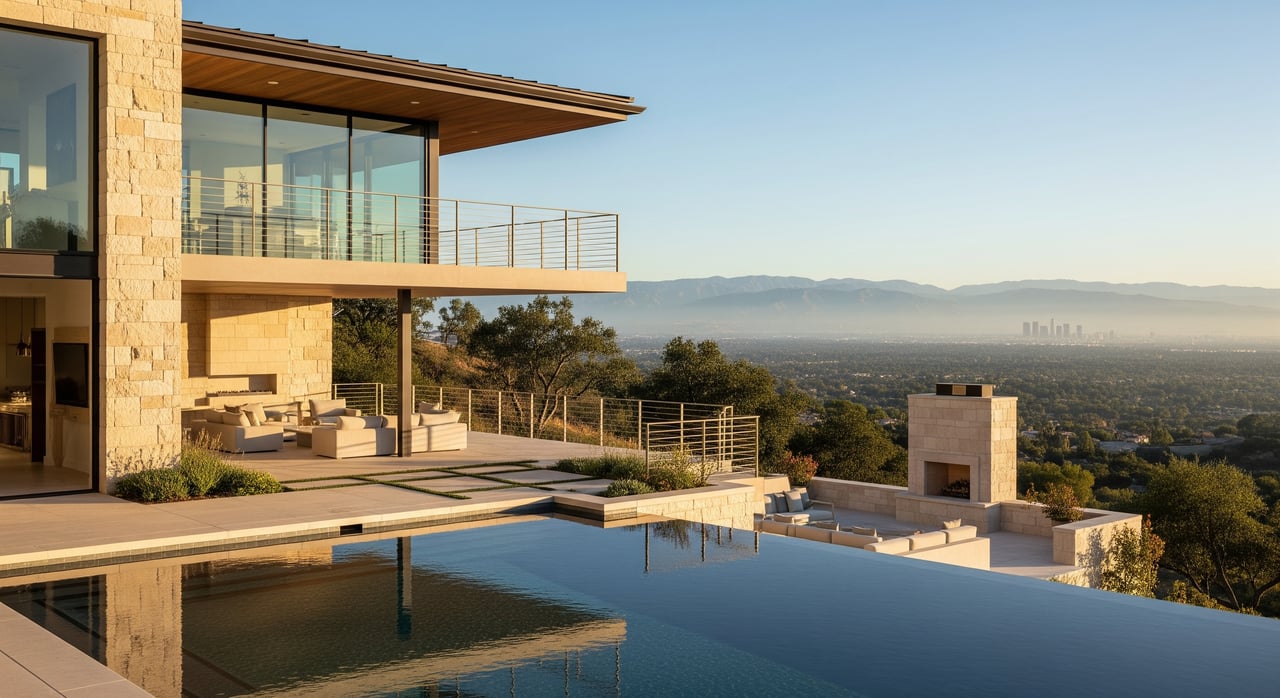
Is your home’s view worth six figures, or just a small premium? In La Cañada Flintridge, not all views are valued the same. Pricing a hillside property here means more than checking square footage and recent sales. You need to understand how buyers and appraisers measure view quality, outdoor living, privacy, and local risk factors.
This guide breaks down how value is created and proven for view homes in La Cañada Flintridge. You will learn how to select the right comparables, how appraisers treat views, which improvements pay off, and how to tailor pricing to current market conditions. Let’s dive in.
What drives view value in LCF
View quality and type
Buyers sort views on a spectrum: no view, partial or obstructed, framed or limited, and panoramic or unobstructed. The bigger the view and the fewer the obstructions, the higher the premium. In La Cañada Flintridge, mountain, canyon, and city-light panoramas are common and highly prized.
View type matters. Long-range city lights and mountain ridgelines can attract different buyers. The more unique and long-range the view, the stronger the market response when all else is equal.
Orientation and sunlight
Orientation shapes how you live with the view. Western exposures often highlight sunsets and evening city lights. Eastern exposures bring softer morning light. Appraisers and buyers both pay attention to which rooms capture the view and when it shines. A floor plan that frames the view from main living areas and the principal bedroom usually performs better.
Privacy and noise
Privacy amplifies view value. Setbacks, sightlines, and sound buffers reduce visual and noise intrusions. A great view with compromised privacy often sees reduced appeal compared to a similar view with better separation.
Outdoor living
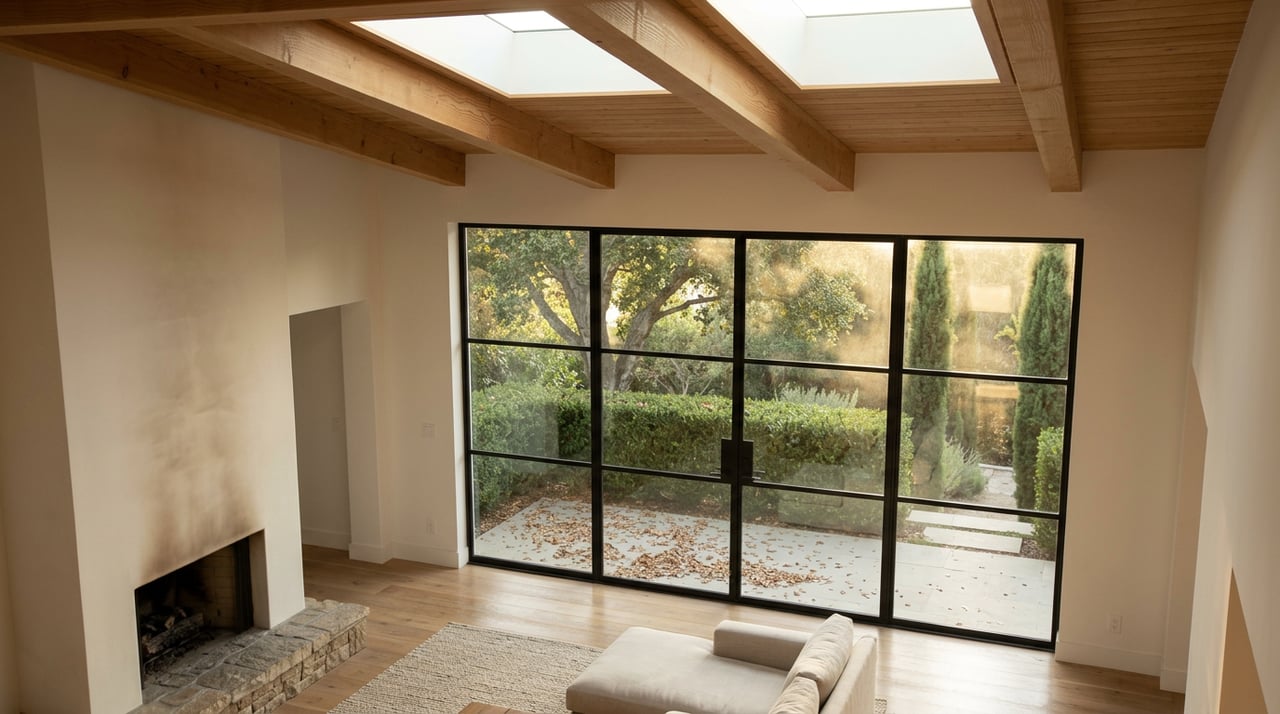
Usable outdoor spaces turn a view into daily lifestyle. Terraces, level patios, pools, outdoor kitchens, and covered seating with heat make the view practical and enjoyable. In LCF, buyers often expect well-designed outdoor living that leverages the view.
Appraisal basics for view homes
Sales comparison approach
For owner-occupied single-family homes, appraisers rely on the Sales Comparison Approach. They compare your home to recent local sales and make dollar adjustments for differences such as view, outdoor living, privacy, condition, and floor plan utility. Cost and income approaches are secondary.
Finding paired sales
Appraisers look for paired or matched sales where the main difference is the view. The price gap between similar homes, one with a superior view, forms the basis for a view adjustment. If perfect pairs are scarce, appraisers assemble several comparables and reconcile adjustments across the set.
Documenting your view
Expect appraisers to document line-of-sight, view corridors, and level of obstruction with photos and maps. Elevation and orientation matter. Sales at similar elevations, on the same or nearby ridgelines, usually provide the best evidence.
Selecting the right comparables
A quick comp checklist
Use this priority list when choosing comps for an LCF view home:
- Same neighborhood or immediate ridgeline. Elevation drives view comparability.
- Similar view type and obstruction level. City lights vs mountain, framed vs panoramic.
- Lot size and slope. Hillside utility and costs differ from level lots.
- Gross living area and usable outdoor living. Compare inside and outside space.
- Age, condition, and finishes. Renovated view homes earn premiums.
- Privacy and setbacks. Visible adjacency reduces comparability.
- Pool and terrace quality. Match presence and caliber, not just a pool checkmark.
- Orientation to the view. Do main rooms capture the best outlooks?
- Time of sale. Favor the last 3 to 6 months when possible.
Adjustments that make sense
Start with the strongest local evidence you can find. If you locate two nearby sales that are nearly identical except for view, the difference helps quantify the view premium. When clean pairs do not exist, use multiple comps and isolate one variable at a time.
Outdoor living adjustments should reflect usable area and finish level. A large, well-built terrace that ties the living room to the view will generally contribute more than a small pad or dated deck. Functional utility matters too. A home that orients living spaces toward the view often deserves a premium over one that does not.
Pricing strategies by market
In a hot, low-inventory market
When inventory is tight and buyer demand is strong, visible, high-quality view features can justify bolder pricing. Be careful not to push into a price tier that shrinks your buyer pool. Your goal is to capture competition, not reduce showings.
In a softening market
When days on market rise and buyers become price sensitive, keep view premiums conservative. Focus on value clarity. Early pricing precision and standout media are key to maintaining momentum.
Segment-based strategy
If your likely buyer is a school-focused family, highlight livability, outdoor space, and floor plan function. If your buyer values privacy and city lights, lean into sightlines, elevation, and evening photography. Price to the most probable segment, not the broadest possible audience.
Risk factors that affect price
Wildfire and insurance
Wildfire exposure can influence both buyer demand and insurance costs. Brush clearance, defensible space, and local requirements are material considerations. Sellers should be prepared to discuss insurance availability and any mitigation steps taken.
Access and slope
Steep driveways, limited parking, and hillside access can limit appeal. Retaining walls, drainage, and slope stability also factor into buyer comfort. Highlight any engineering, upgrades, or maintenance that improve usability and safety.
Local restrictions and disclosures
Know and disclose any easements, view agreements, improvement limits, or brush clearance obligations. Transparency builds trust and reduces surprises during escrow.
Smart pre-sale improvements
Invest to capture the view
Not all spending is equal. Prioritize improvements that make the view more visible and usable:
- Reorient furniture and remove obstructions inside key rooms.
- Trim or professionally manage vegetation to open lines of sight, following local rules.
- Add or refresh terraces, hardscape, or covered outdoor seating.
- Consider glass or low-profile railings where appropriate.
- Update lighting to showcase evening views and improve outdoor ambiance.
Document work with invoices and permits when applicable. Appraisers rely on evidence that the market recognizes and pays for the improvement.
Use seller-funded services wisely
Programs that front the cost of pre-sale work and staging, with repayment at closing, can improve presentation and buyer interest. These services are most productive when focused on high-impact items like view capture, outdoor living, repairs, and premium media. Avoid over-improving beyond what local comps support, and complete work before listing so results appear in marketing and appraisal.
Listing media that sells views
Photography that tells the story
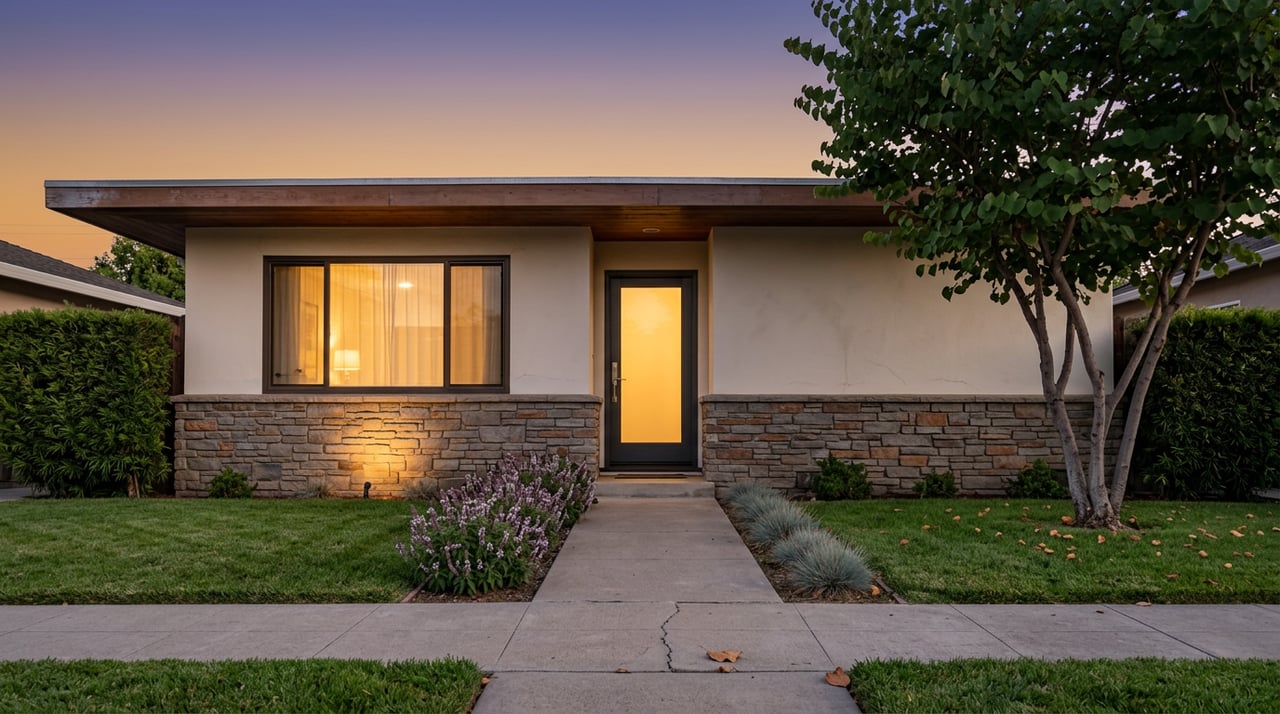
Professional photography is essential. Capture interiors, exteriors, and the specific angles that best frame the view. Twilight photos can showcase city lights and sunsets that daytime photos miss.
Drone and video
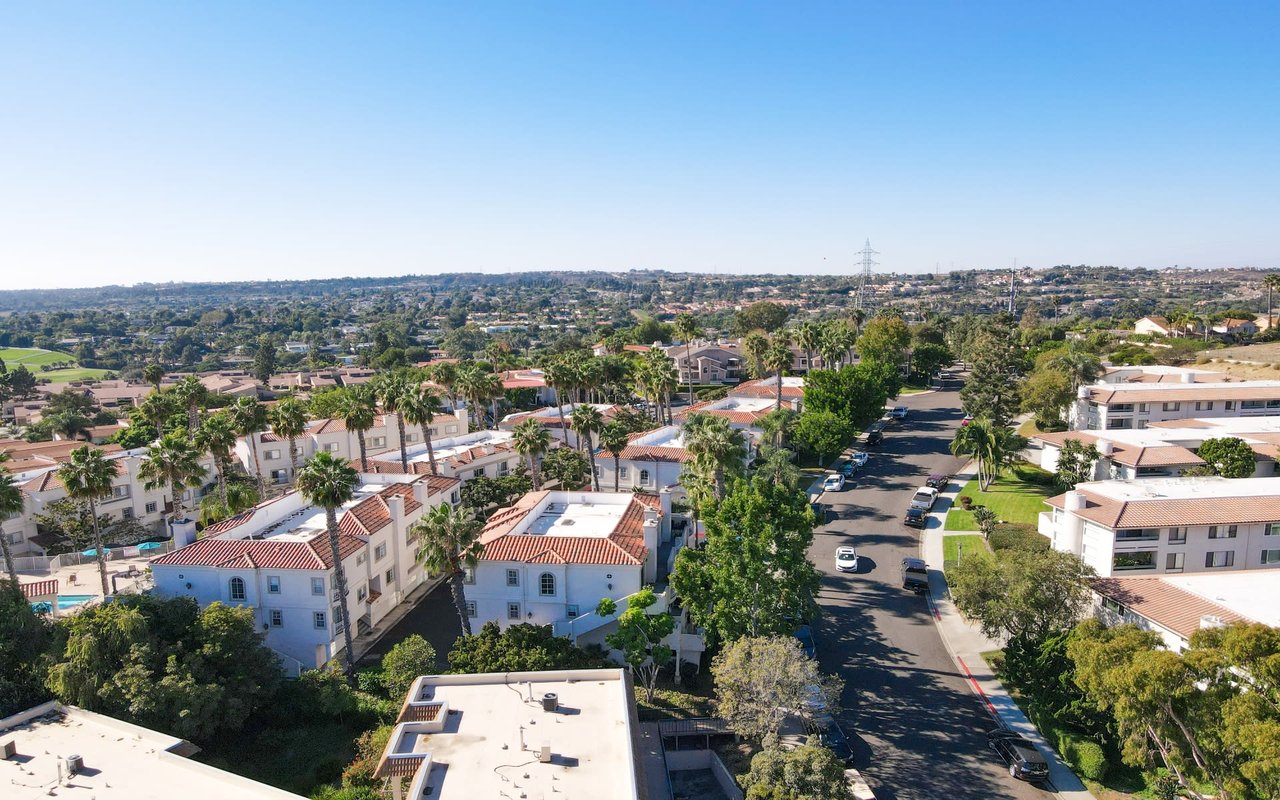
Aerial photography and video help buyers understand elevation, ridgeline placement, and surroundings. Short clips at the right time of day can communicate what a sunset or city-light panorama feels like.
Floor plans and 3D tours
Floor plans and 3D tours show how main rooms relate to the view. When the view is visible only from specific spaces, these tools help buyers understand function and flow before they arrive.
What to track while pricing
Track the metrics that matter for view homes:
- Sale-to-list price ratios for recent comparable view sales.
- Median days on market for similar elevation and view type.
- Showing activity and listing engagement, including click-through rates.
- Insurance quotes and availability if wildfire risk is relevant.
- Recent sale prices of near-ridge comps with similar orientation and outdoor amenities.
Your personalized valuation plan
A precise price starts with evidence. Here is how we help you price a view home in La Cañada Flintridge with confidence:
- We assess view quality, orientation, privacy, and outdoor living in person.
- We select comps on the same or nearby ridgelines with similar view type and elevation.
- We quantify adjustments using paired sales when possible, and reconcile across multiple comps when not.
- We recommend targeted pre-sale improvements and premium media that highlight your view.
What we need from you:
- Property address and parcel info.
- Photos or short videos from main rooms and outdoor spaces that showcase the view.
- A list of outdoor amenities and recent improvements, with invoices or permits if available.
- Notes on insurance, brush clearance, or any known restrictions.
What you receive:
- A data-backed valuation range with clear rationale.
- Two or more pricing strategies aligned to market conditions.
- A prioritized improvement plan focused on ROI and buyer appeal.
- A timeline for media, launch, and feedback checkpoints.
Typical turnaround is 48 to 72 hours for a preliminary market valuation after receiving your materials, and 5 to 10 days for a deeper, on-site review. Ready to see where your view stands? Connect with the Speranta Group for a no-obligation, market-informed valuation.
FAQs
How much more will a view sell for in La Cañada Flintridge?
- There is no universal percentage. Premiums depend on view type, obstruction, privacy, outdoor living, and current demand, so use matched local sales to estimate the specific premium.
Do appraisers always add value for a view on an appraisal?
- No. Appraisers need market evidence that buyers pay for the specific view. If comparable sales do not reflect a premium, the appraisal may not support it.
Will adding a deck or glass railing pay for itself before selling?
- It depends. Outdoor upgrades can have solid recapture when they increase usable view capture, but results vary. Prioritize improvements that make the view visible and usable from primary living spaces.
Should I clear trees or vegetation to improve a view before listing?
- Improving sightlines can help, but follow local rules, consider neighbor relations, and document work and permits. Good records help buyers and appraisers recognize value.
Does staging and media really matter for a view home?
- Yes. High-quality photography, drone, twilight images, and staging that highlights indoor-outdoor flow are especially effective in communicating view value and boosting early buyer interest.