Thinking about trading 210 traffic for a predictable train ride? If you are eyeing a home near Duarte/City of Hope on Metro’s A Line, you want the real story on commute times, parking, pricing, and day-to-day living. In this guide, you will get clear local context, recent market snapshots, and a practical checklist to buy with confidence. Let’s dive in.
A Line basics at Duarte
The Duarte/City of Hope station sits just north of Duarte Road between East Circle Drive and Highland Avenue, directly next to the City of Hope campus. Service here is part of the Foothill segment of Metro’s A Line that opened March 5, 2016, expanding rail access through the San Gabriel Valley according to the Construction Authority. Station planning documents describe a mix of institutional land uses, light commercial, and nearby residential blocks within the immediate walk shed around the stop.
Trip times depend on the time of day and schedule. When the Foothill extension launched, Metro noted roughly a 40 minute ride between Union Station and Duarte as a general guide; always verify your window with the current timetable or trip planner. You can review the latest published A Line times on Metro’s official timetable and see the original travel-time context in Metro’s announcement coverage here.
Parking, access and walkability
If you plan to drive to the train, the Duarte station offers a modest park-and-ride. Metro lists 125 paid spaces, including 3 EV stalls, with daily and monthly options. Check current pricing, availability, and any permit waitlist on Metro’s parking page.
Many buyers aim for car-light living but still keep a vehicle for errands or trips outside rail coverage. If parking matters, verify assigned spaces, guest parking rules, and street-permit requirements for each property. For a truly car-light setup, prioritize addresses within a 10 to 15 minute walk to the platform and test the walk at night for lighting and crossings.
Walkability varies block by block. Some streets within a quarter to half mile offer convenience services and small restaurants, while larger grocery runs often mean a short drive along Huntington Drive or to nearby Monrovia shopping nodes. Map your daily routes before you buy.
Station-area growth and planning
The station’s neighbor, City of Hope, has expanded its campus with new facilities and remains a major local employer and trip generator. Since the 2016 opening, public agency updates have noted both campus growth and several hundred new homes delivered in the station area as documented here. Duarte also adopted a station-area planning framework that encourages mixed-use and higher-density proposals near the platform, which means you should expect ongoing proposals, some construction, and more long-term housing options within the plan area.
A good example is Esperanza at Duarte Station, a 344-unit, amenity-rich apartment community that opened in late 2022 and later sold in an institutional transaction in 2026. That kind of project adds modern rental supply within walking distance and signals investor interest in the micro-market as covered by the Los Angeles Times.
What you can buy nearby
Homes within walking distance
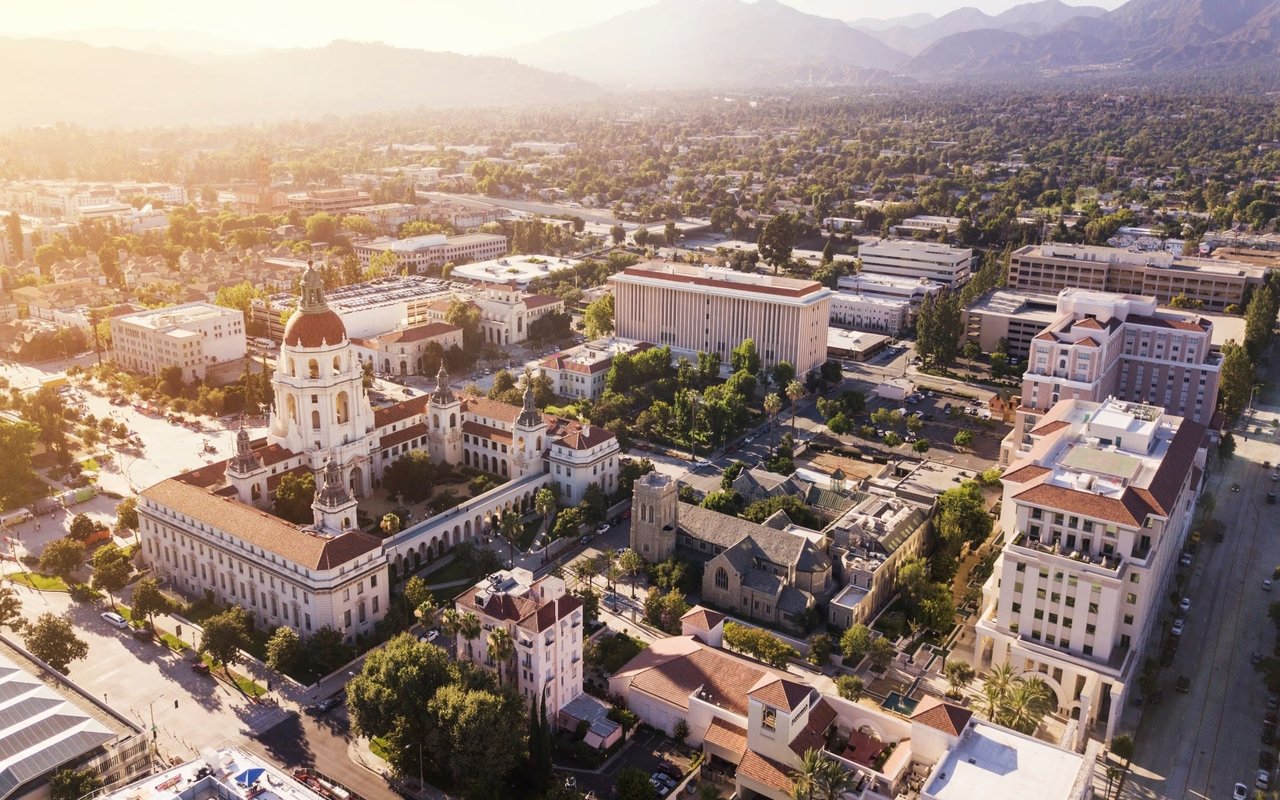
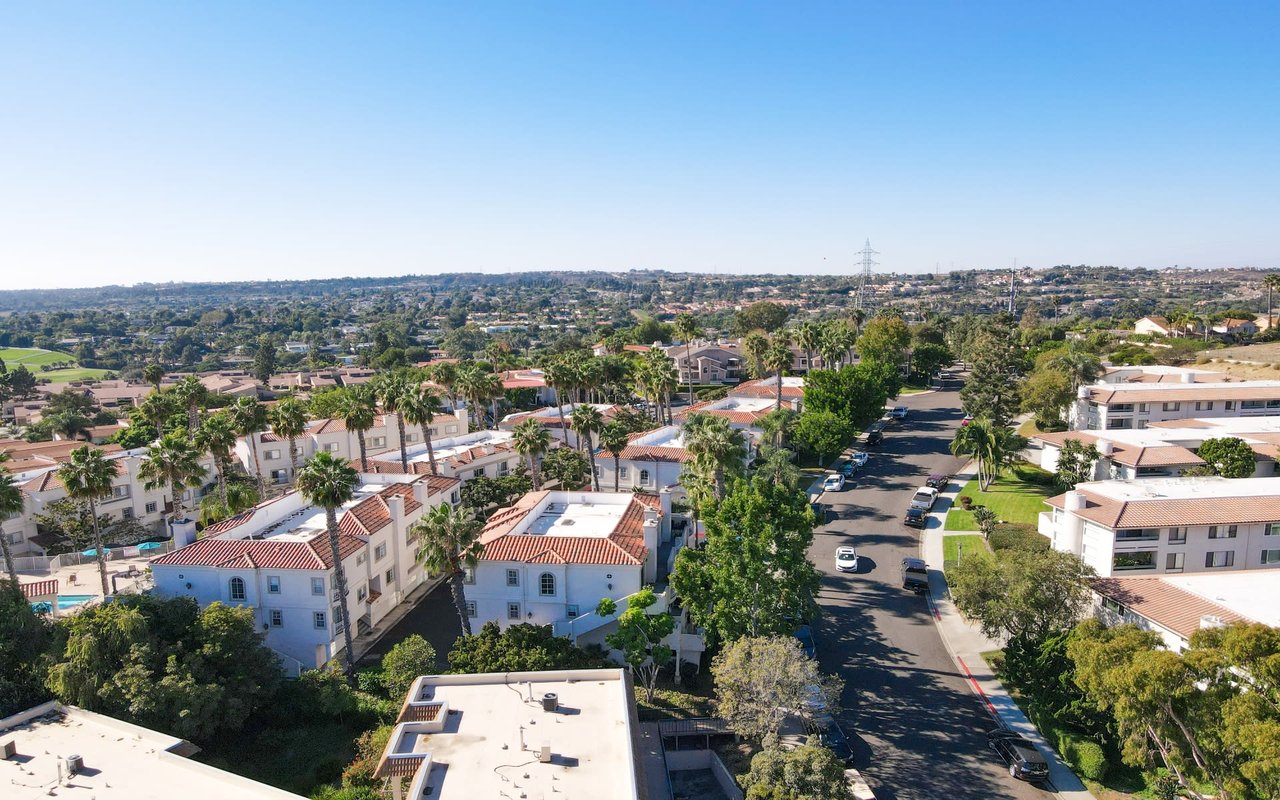
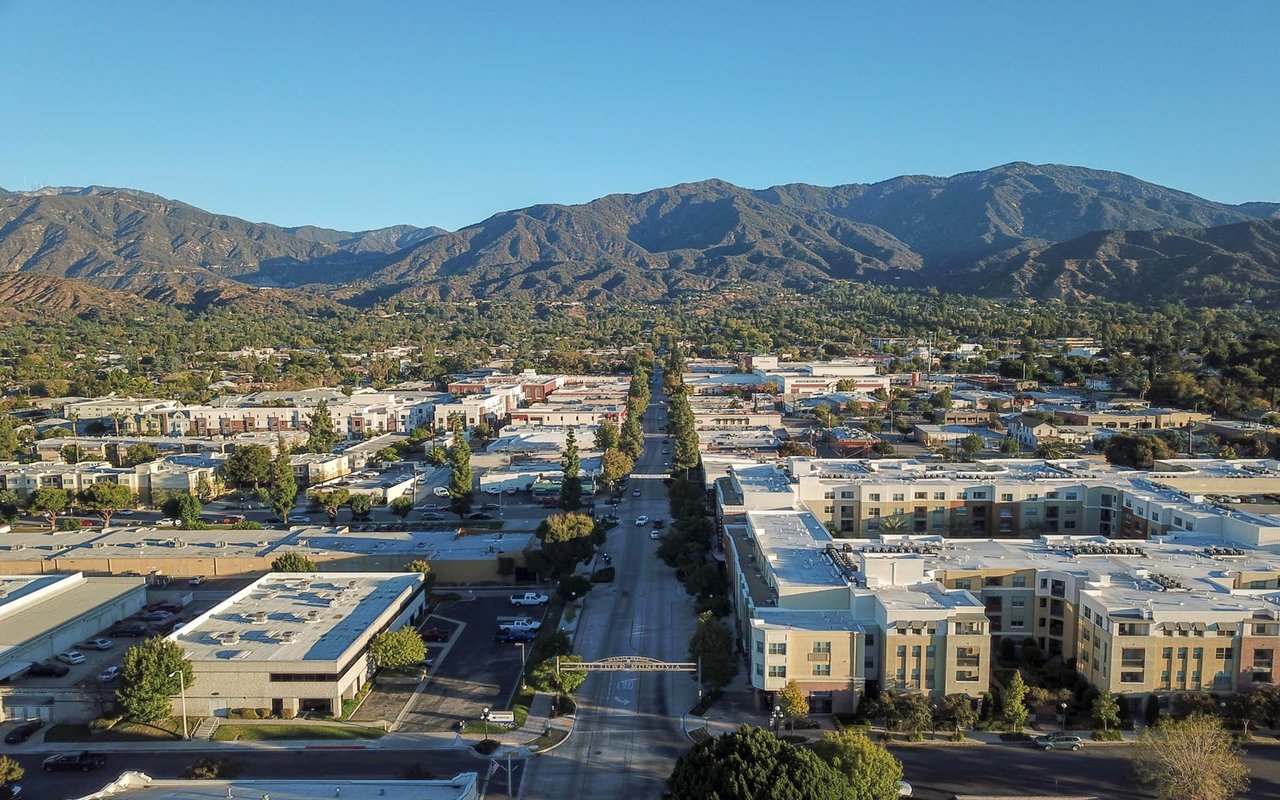
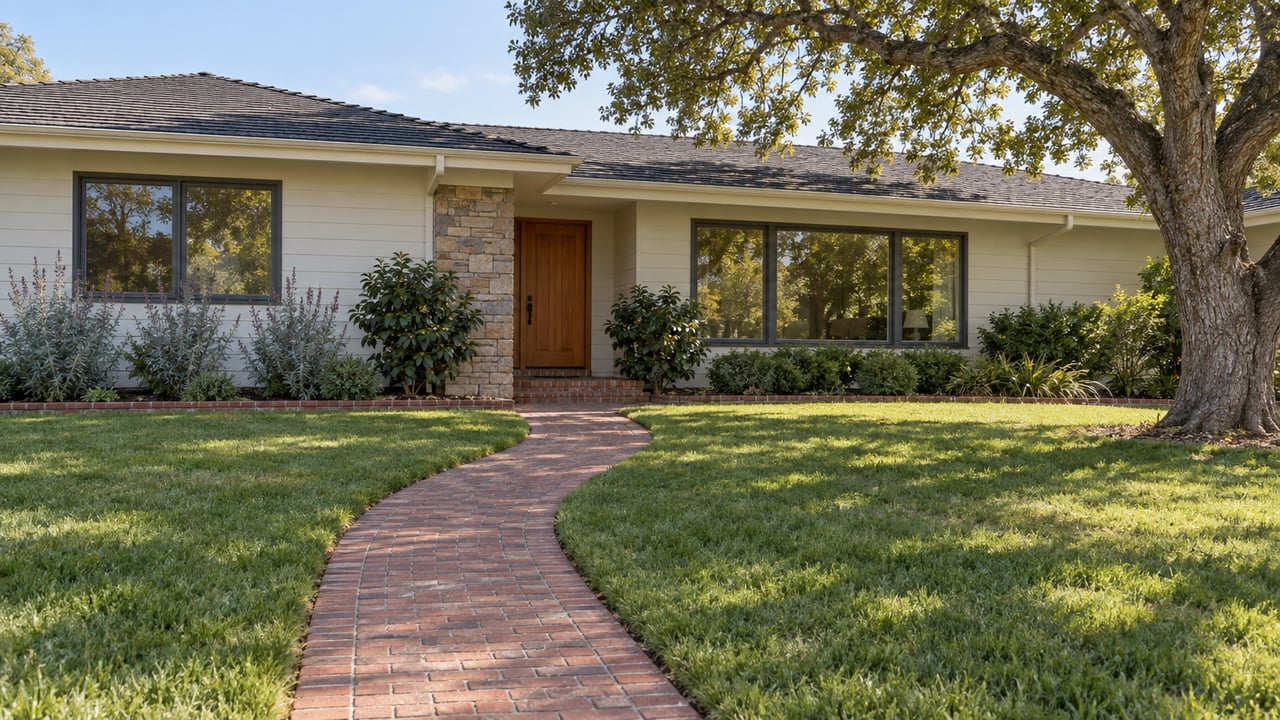
Closest to the station, you will find newer mid-rise and podium-style apartments and townhomes built after the rail extension, plus small to mid-sized condo and townhome communities that appeal to first-time buyers. Step a bit farther out, roughly half to one mile, and the area transitions to older single-family neighborhoods with mid-century styles and larger lots.
Prices and rents to expect
Recent snapshots show Duarte’s median listing price around $715,000, while a separate home value index places typical values closer to $780,000 to $785,000 in early 2026. Rents trend higher in newer, amenity-rich buildings adjacent to the station, with area medians commonly in the low $3,000s depending on unit size and building class. Treat these as ballpark figures and validate with fresh MLS comps for your target block and property type.
Lifestyle tradeoffs to weigh
Commute reliability
The A Line offers a direct alternative to freeway driving into Pasadena and central Los Angeles. Riders often choose rail for its schedule predictability. Before you rely on it daily, confirm first and last train times for your shifts and review the latest A Line timetable for your specific window.
Train noise and mitigation
If you are very close to the tracks, you may notice train noise or ground-borne vibration. Agencies evaluate and mitigate these impacts using the Federal Transit Administration’s standards, which outline measures like sound walls, vibration-control track components, and enhanced building facades. For peace of mind, request any available studies or building-performance details and review the FTA’s noise and vibration guidance.
HOA realities near transit
Condos and common-interest communities near the station often trade convenience for HOA fees and shared rules. California law requires sellers to provide a resale disclosure package that includes governing documents, budgets, minutes, and reserve studies. Review these carefully for reserves, assessments, litigation, insurance scope, and rental policies under the California Civil Code Section 4525.
Buyer due-diligence checklist
Use this quick checklist to validate any listing near Duarte/City of Hope station:
- Walk the route from the front door to the platform at the time you would use it, both day and night. Note lighting, crosswalks, and any slope.
- Pull the current A Line schedule and run a sample trip for your commute. Confirm first and last trains if you work early or late.
- Verify assigned parking count, guest parking rules, and any on-street permit requirements. Ask about short- or long-term space rentals in the community.
- If noise or vibration is a concern, request any studies the seller or developer has. Consider a short professional measurement during AM or PM peaks.
- Request the complete HOA resale packet early. Have an attorney or experienced reviewer check reserves, assessments, litigation, rental caps, and insurance coverage.
- Check city planning documents for active or upcoming projects near the station so you understand potential construction timelines and future density.
- For investors, pull rent comps by product class and vintage. Stress-test your pro forma for expenses, vacancy, and any rental restrictions.
- Test your full multimodal commute for several days, including last-mile connections by bike, bus, or rideshare.
- If you plan to live car-light, budget for occasional car rentals, ride-hailing, or delivery services.
Who benefits from A Line living
If you want predictable access to Pasadena and Downtown LA without daily freeway stress, station-adjacent living can be a win. Households that value walkable convenience and modern amenities often find strong options in newer condo and townhome communities. Investors may be drawn to renter demand linked to the station and the nearby City of Hope campus, but should underwrite carefully and confirm any HOA rental rules.
Is buying here right for you?
Buying near Duarte/City of Hope works best when you actually plan to use the train and your home’s layout, parking, and HOA rules fit your routine. Start with a timed walk to the platform, check your work-hour trains, and review the property’s parking and HOA details. With the right fit, you get a convenient lifestyle today and a location with ongoing planning focus that can support long-term value.
Ready to see what’s available within a true 10 to 15 minute walk of the station? Reach out to the Speranta Group for local guidance, data-backed pricing, and a smooth path from tour to keys.
FAQs
How long is the A Line ride from Duarte to Union Station?
- Metro noted roughly 40 minutes at the time of the Foothill segment opening, but you should check the current timetable for your specific commute window.
How much parking is at Duarte/City of Hope station and is it paid?
- Metro lists about 125 paid spaces with daily and monthly options; confirm current pricing and availability on Metro’s parking page.
What home types are within walking distance of the station?
- You will mostly see newer mid-rise apartments and townhomes plus small to mid-sized condo communities, with older single-family homes starting about half a mile to a mile out.
How noisy is it living near the tracks and what helps?
- Noise and vibration are most noticeable very close to the rails; mitigation can include sound walls, vibration-controlled track, and upgraded building facades. Request any studies and consider a short measurement session.
What HOA documents should I review before buying near the station?
- Ask for the full resale packet and review reserves, current and potential assessments, insurance scope, rental caps, and litigation per California Civil Code Section 4525.
Are rents stronger in newer buildings right by the station?
- Yes, newer amenity-rich buildings within a short walk often command higher asking rents than older stock, reflecting convenience and features.