If you are drawn to a mid-century home in Altadena, you are not just buying square footage. You are often buying a specific design story, a postwar piece of local history, and in some cases a property shaped as much by the land as by the floor plan. That can be exciting, but it also means you need to look past the clean lines and great windows to understand what you are really purchasing. In this guide, you will learn what makes Altadena’s mid-century homes distinct, what to inspect closely, and how to think about updates without losing long-term value. Let’s dive in.
Why Altadena mid-century homes stand out
Altadena’s mid-century housing stock grew largely during the postwar years. According to Altadena Heritage’s local history overview, the area saw major infill from 1946 through the 1950s and into the 1960s, with ranch homes filling much of the available land, especially on the west side and in Presidents Street developments.
That history matters when you shop for a home here. In flatter parts of Altadena, you may see more classic neighborhood clusters of ranch homes. In foothill and hillside areas, houses were often built more individually, which means lot shape, access, roads, and drainage can vary from one property to the next.
Altadena also has a strong preservation culture. Altadena Heritage’s architectural database project reflects a long-standing local interest in documenting and protecting architectural character. For you as a buyer, that is a reminder that a home’s original design features may matter not only aesthetically, but also to future market appeal.
Key mid-century features to look for
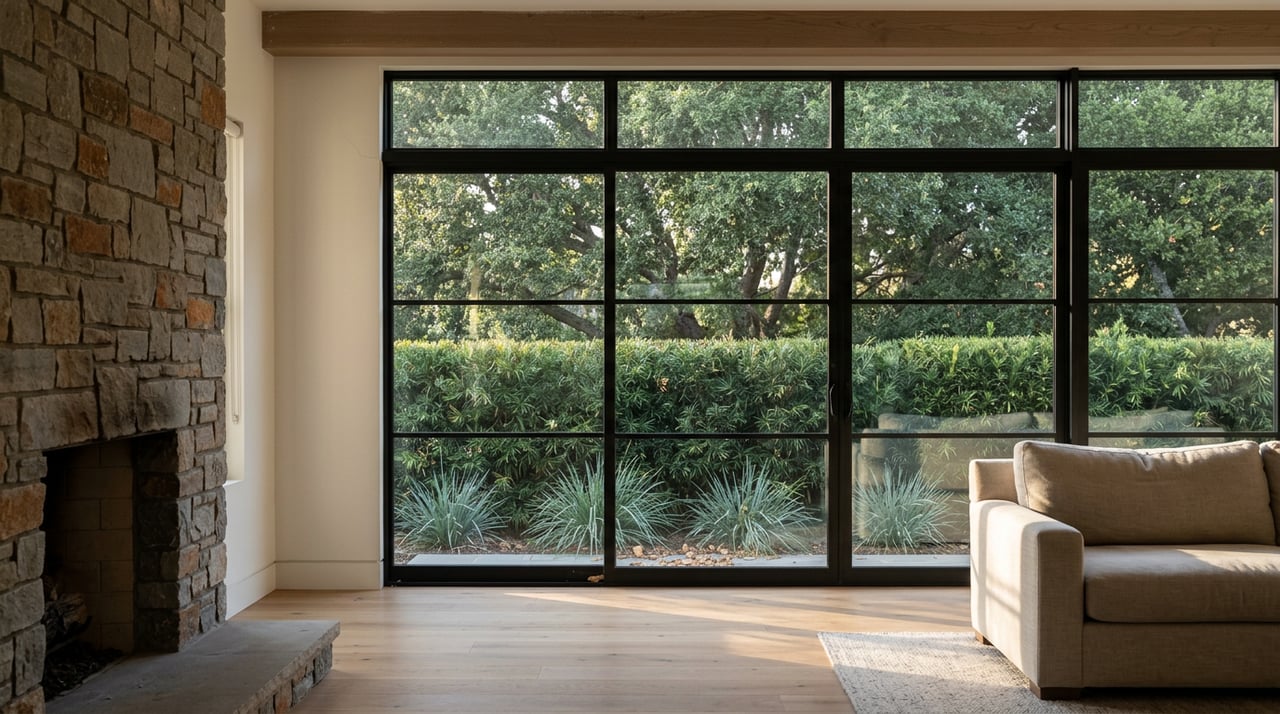
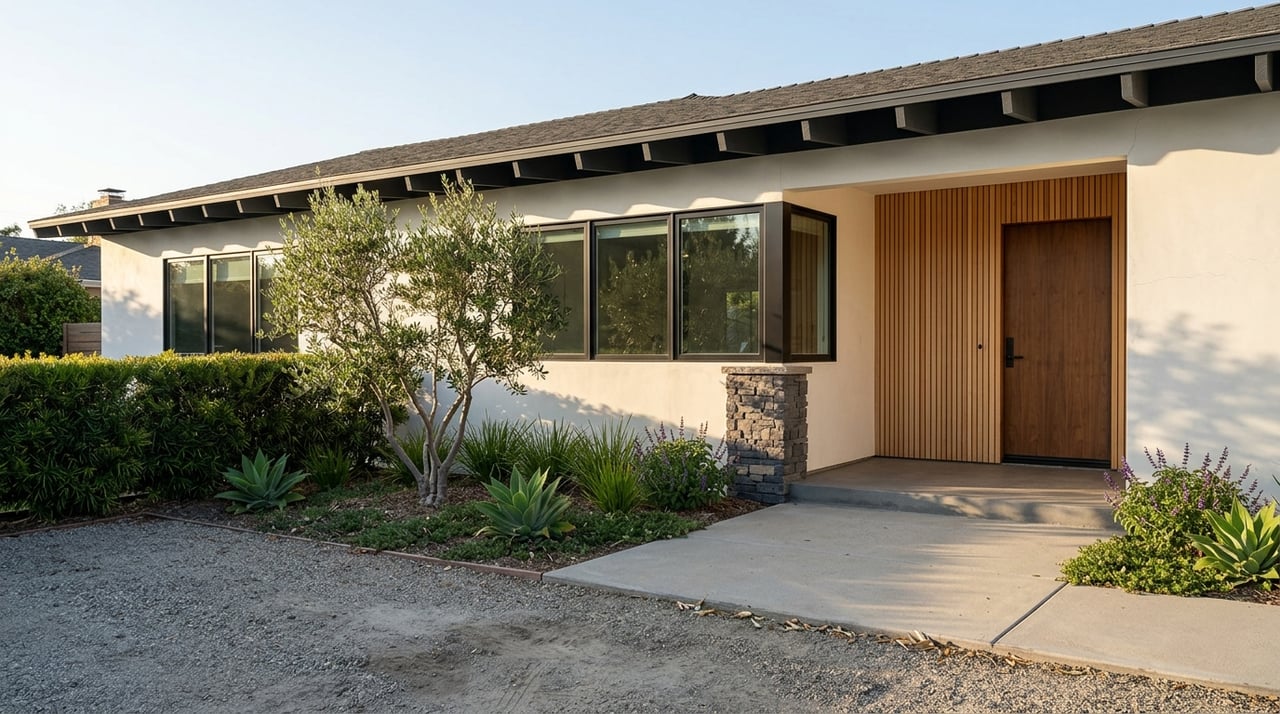
Many Altadena buyers use the phrase “mid-century” loosely, but the style has some recurring traits. A helpful framework from the City of Marina’s design guidance highlights one-story forms, low-pitched roofs, large windows, attached garages or carports, open living spaces, and a strong indoor-outdoor connection.
You may also see common plan shapes such as:
- Asymmetrical rectangular layouts
- L-shaped plans
- U-shaped plans
- Split-level configurations
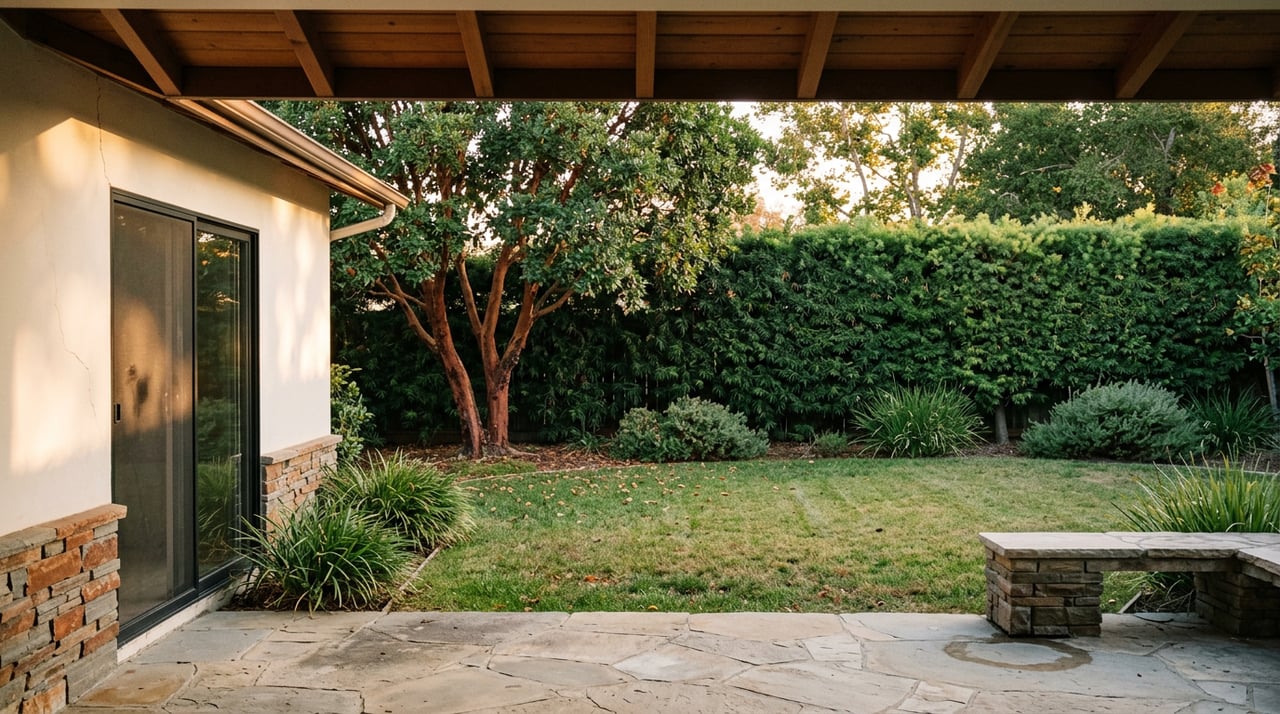
- Patio-oriented designs with sliding doors
Broader mid-century modern features can include horizontal massing, flat or low-pitched gable roofs, wide eaves, clerestory windows, post-and-beam construction, metal-frame windows, and very limited ornamentation, as outlined in this California environmental review reference on mid-century modern architecture.
In Altadena, there are also more architecturally distinct modernist homes beyond the standard ranch vocabulary. For example, Altadena Heritage’s Highview program page describes a 1946 to 1947 block of compact, low-slung homes with courtyard-centered layouts, open carports, steel-framed roofs, and floor-to-ceiling garden-facing windows. That is a good reminder that not every mid-century home offers the same design pedigree or maintenance needs.
Understand the lot, not just the house
In parts of Altadena, the site can be just as important as the structure. This is especially true near the foothills, where terrain and infrastructure may be more variable.
Altadena Heritage’s 2018 newsletter notes steep terrain, crumbling private roads in some areas, and homes adapted to mountainside lots. It also points out that drainage and street conditions can differ significantly by location.
That means your due diligence should include more than a general home inspection. Depending on the property, you may want to pay close attention to:
- Retaining walls
- Surface runoff patterns
- Grading near the foundation
- Slope stability concerns
- Road access and road condition
- Drainage paths during heavy rain
A beautiful mid-century home can be far less appealing if site issues become a long-term expense. In Altadena, this is not a side note. It is a central part of evaluating the property.
Roofs deserve extra attention
A roof can have a big effect on both function and architectural character. On a mid-century home, the roofline is often a major part of the design, so any change can alter the look of the house.
The National Park Service guidance on roofs and sustainability notes that cool or green roofs tend to work best on flat roofs when they are not visible from the public right of way and do not negatively affect historic character. While that guidance is preservation-focused, it is useful for buyers because it highlights the balance between performance and appearance.
Before you move forward on a purchase, try to verify:
- Roof age
- Roofing material
- Permit history for replacement work
- Whether the roof replacement changed the original roofline
- Current condition and expected remaining life
In Altadena, roof decisions also connect to heat and wildfire-resilience questions. Even if you love the home’s style, you will want clarity on whether the roof has been maintained in a way that supports both safety and long-term ownership.
Original windows may be worth saving
Windows are one of the first features buyers notice in a mid-century home. They also tend to be one of the first things previous owners replace. That can affect both appearance and value.
The California Office of Historic Preservation states that energy conservation alone is not a reason to replace an original window. The National Park Service also supports repairing or retrofitting original windows when possible instead of replacing them outright.
If replacement is unavoidable, preservation guidance says new windows on a primary or highly visible elevation should match the historic units in detail and material. For you, the practical takeaway is simple: do not assume “newer” always means “better.” Original windows may be repairable, and poorly matched replacements can change the feel of the home.
Check systems and possible lead-related issues
Mid-century homes often charm buyers with clean design and mature settings, but behind the walls you may find systems that need a closer look. Electrical, plumbing, and heating or cooling updates are common due-diligence items in homes from this era.
Lead is another consideration. The EPA’s lead danger guidance says homes built before 1978 are likely to contain lead-based paint. It also notes that friction surfaces such as windows and doors can create lead dust, and that plumbing or service lines may contain lead.
That does not mean every older home is unsafe. It means you should approach paint disturbance, window work, and plumbing inspection carefully and with good information. If you are planning renovations after closing, this becomes even more important.
Preserve character while planning updates
One of the biggest mistakes buyers make with mid-century homes is treating design character and everyday function as competing goals. In many cases, they work best together.
The Secretary of the Interior’s Standards for Rehabilitation emphasize preserving historic materials and features wherever possible. The broad idea is to improve livability without removing the elements that make the home distinctive in the first place.
For an Altadena mid-century home, that often means:
- Repairing original windows when feasible
- Keeping wide eaves, carports, and roof proportions intact
- Choosing lower-visibility roof solutions when possible
- Planning major system or structural work with permits in mind
Los Angeles County’s building process also requires permit application, plan check when needed, inspections, and final sign-off for permitted work. The county notes that alternate materials or methods may be approved when they provide equivalent performance and life-safety outcomes. For you, that is a reminder to document improvements carefully and confirm whether prior work was properly permitted.
Thoughtful updates can support resale
No one can promise how any single improvement will affect resale in Altadena. Still, there is a reasonable case for well-documented, sympathetic upgrades.
The California Office of Historic Preservation cites a UC Berkeley and UCLA study finding that energy-rated homes sold, on average, for about 9% more than comparable homes that were not energy rated. That is not an Altadena-specific rule, but it does suggest that efficiency and marketability can go hand in hand when updates are done thoughtfully.
In a design-conscious market, buyers often respond well to homes that feel both authentic and well maintained. A house that preserves its original proportions while offering updated systems, documented work, and careful upkeep may stand out more than one that has been heavily altered without a clear plan.
A smart buying strategy for Altadena
When you evaluate a mid-century home in Altadena, it helps to think in layers. First, look at the design itself. Then, study the condition of major systems and materials. Finally, assess the lot and any location-specific site issues that could affect ownership over time.
A strong purchase strategy often includes:
- Identifying which original features are still intact
- Reviewing roof, windows, and major systems carefully
- Asking for permit history and records of improvements
- Looking closely at drainage, grading, and retaining walls
- Weighing future updates through both a practical and design lens
That approach helps you avoid buying based on style alone. It also puts you in a better position to protect both your enjoyment of the home and your long-term investment.
If you are considering a mid-century home in Altadena and want guidance on evaluating character, condition, and resale potential, the team at Speranta Group can help you navigate the process with local insight and a clear strategy.
FAQs
What defines a mid-century home in Altadena?
- In Altadena, mid-century homes are often postwar properties from the late 1940s through the 1960s with low-pitched roofs, horizontal lines, large windows, open living areas, and strong indoor-outdoor connections.
What should buyers inspect first in an Altadena mid-century home?
- Buyers should pay close attention to the roof, windows, plumbing, electrical systems, heating and cooling systems, and site conditions such as drainage, grading, retaining walls, and slope stability.
Are original windows a problem in Altadena mid-century homes?
- Not necessarily. Preservation guidance says original windows can often be repaired or retrofitted, and replacing them is not automatically the best choice just for energy savings.
Why do lot conditions matter in Altadena home purchases?
- In some parts of Altadena, especially foothill and hillside areas, steep terrain, drainage patterns, private roads, and retaining walls can have a major impact on maintenance and ownership costs.
Should you preserve original features in a mid-century Altadena house?
- In many cases, yes. Preserving character-defining features like eaves, carports, rooflines, and original window patterns can help maintain the home’s design integrity and support long-term appeal.