Wondering whether Glendale is the right place to buy your first rental property? That is a smart question, especially in a market where home prices are high, competition is real, and the numbers can look very different depending on the property type you choose. If you want a clear, local look at how Glendale stacks up for a first-time investor, this guide will help you weigh the tradeoffs and move forward with more confidence. Let’s dive in.
Glendale at a glance
Glendale can make sense as a first rental market if you are comfortable prioritizing long-term potential over strong early cash flow. Zillow places Glendale’s average home value at $1,205,826, while Redfin reported a March 2026 median sale price of $1,018,750. At the same time, Zillow’s average rent was $2,776, which points to a modest gross yield before financing and operating costs.
That does not make Glendale a bad market. It just means you need to view it through the right lens. In many cases, Glendale looks more like an appreciation-oriented market than a high-cash-flow market.
Why Glendale draws rental demand
Glendale has a renter-heavy housing profile and solid regional access, which can support steady rental demand. The U.S. Census estimate for July 1, 2025 put Glendale’s population at 187,160, and the owner-occupied housing rate was 35.2%. That means a large share of households rent rather than own.
Ownership costs also help explain why rentals can stay in demand. Census data shows median monthly owner costs with a mortgage at $3,756, compared with median gross rent of $2,182. When buying costs much more than renting, many households stay in the rental market longer.
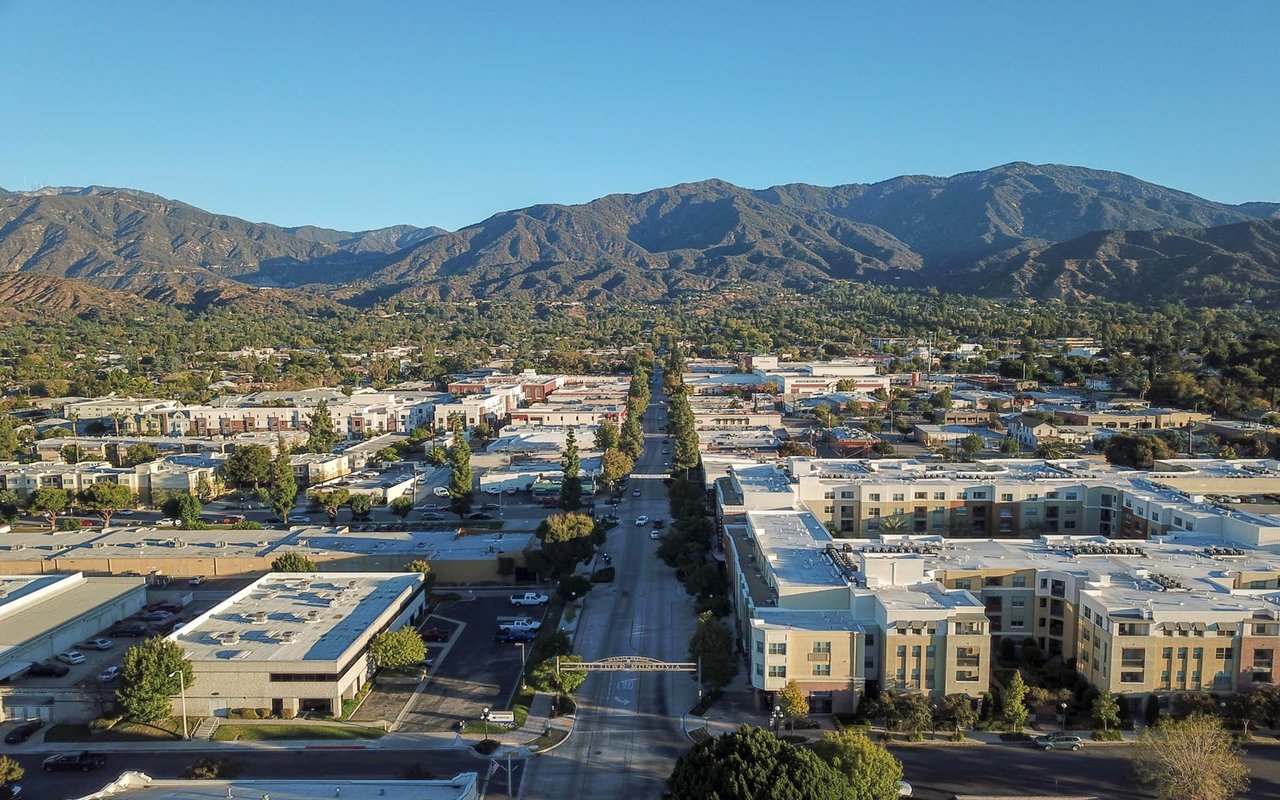
Location adds another layer. Glendale’s own city FAQ notes that it is about 9 miles north of Los Angeles, 5.5 miles from Pasadena, and 7.5 miles from Burbank Airport, with access to four major freeways plus bus and rail connections. For landlords, that kind of connectivity can support renter interest across different parts of the city.
Glendale housing stock matters
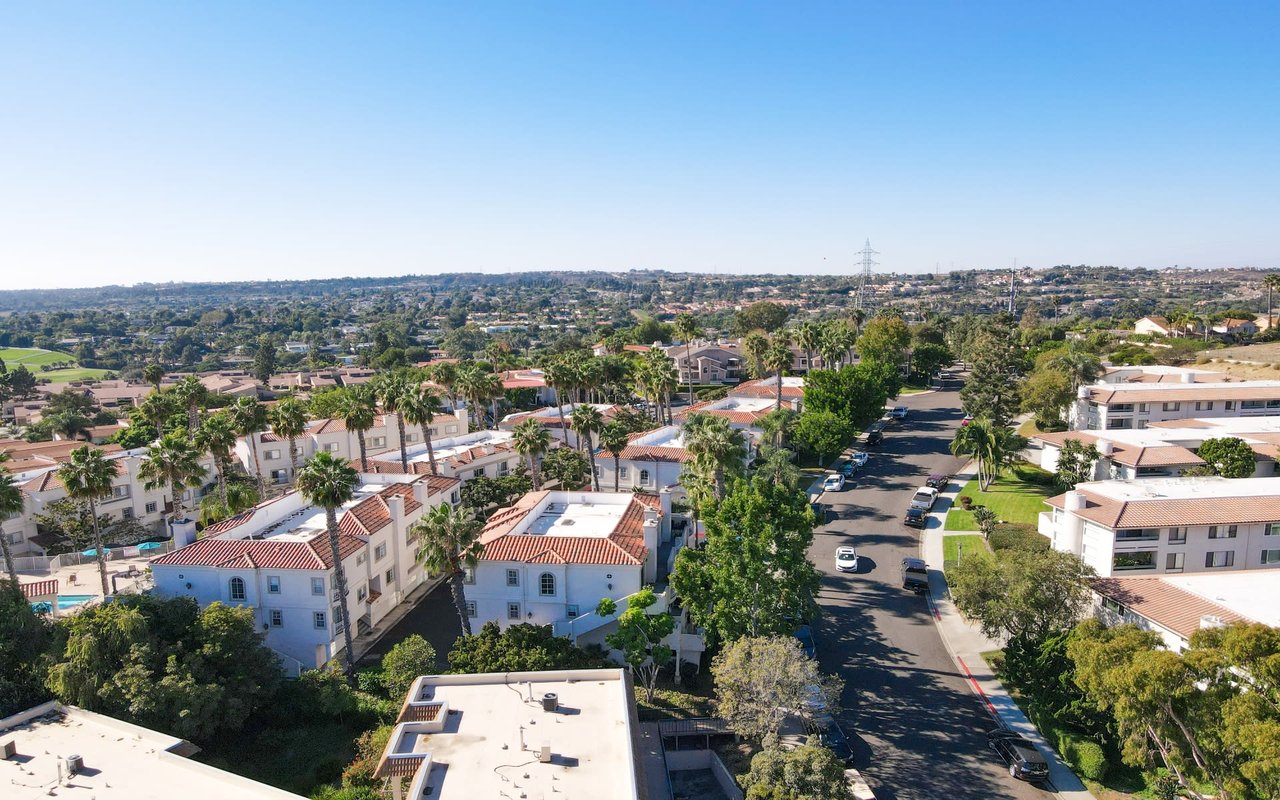
If you are buying your first rental, Glendale gives you more than one type of entry point. According to the city’s Housing Element background report, Glendale had 81,019 total housing units in 2020, and 52.6% were in multifamily buildings with five or more units. Detached single-family homes made up 34.4%, while 8.6% were in smaller multifamily buildings with two to four units.
That mix matters because it gives you options. In some suburban markets, single-family homes dominate and small income properties are limited. Glendale is different, which can make it easier to match your first investment to your budget and risk tolerance.
Is Glendale a smart first rental market?
The short answer is yes, but only for the right buyer. Glendale can be a smart first rental market if you have enough capital, realistic rent expectations, and a plan to hold the property long enough for the numbers to work over time.
It may be less attractive if you need strong monthly cash flow from day one. A simple gross-rent calculation using Zillow’s average home value and average rent comes out to about 2.8% before taxes, insurance, maintenance, vacancy, HOA dues, and financing. That is thin for a first-time investor who needs immediate income.
What first-time investors should watch
A first rental purchase in Glendale usually works best when you stay disciplined. Redfin reported 36 median days on market in March 2026, with six offers on average, and Zillow said homes go pending in around 15 days. In a fast market, it is easy to stretch on price or make assumptions that do not hold up later.
The biggest risks are usually simple:
- Overpaying in a competitive offer situation
- Underestimating property taxes and operating costs
- Ignoring HOA dues or building restrictions on a condo
- Assuming rent levels the market will not support
- Planning on short-term rental income where local rules do not allow it
If you are buying your first rental, the deal has to work on conservative numbers. Glendale can reward a patient investor, but it is less forgiving when your budget is too tight.
Best property types for a first rental
Condos offer a lower entry point
For many first-time investors, a condo is the most realistic place to start. Redfin’s Glendale condo listings showed 85 condos for sale at a median listing price of $692,000. That is still a major purchase, but it is meaningfully lower than the broader market’s home values.
A condo can help lower your upfront hurdle, but you need to look closely at HOA dues and rules. Even if the purchase price looks more manageable, monthly fees and rental restrictions can change your return in a big way.
Duplexes and triplexes add income diversity
If your budget is larger, a duplex or triplex may give you more flexibility. Zillow’s current Glendale duplex and triplex examples include listings around $999,000, $1,199,000, $1,495,000, and $1,799,000. Those prices show that even smaller income properties in Glendale still require substantial capital.
The upside is diversification. With more than one unit, your income is not tied to a single tenant, which can reduce some risk. For a first investor, that can be appealing if the property condition and financing still make sense.
Single-family homes can offer ADU potential
Single-family homes are often the most expensive route, but they may offer more long-term flexibility. Glendale allows ADUs on single-family and multifamily sites, though the city notes that these projects require zoning review and can be costly.
That means an ADU should not be viewed as an easy cash-flow fix. It is better treated as a possible value-add strategy if you have the capital, timeline, and patience to do it correctly.
What rents really look like in Glendale
One of the easiest mistakes first-time investors make is treating one rent data point as the full story. In Glendale, rent figures vary depending on the source and method. Zillow reported an average rent of $2,776 as of April 30, 2026, Apartments.com showed a city average of $2,114 in May 2026, and the Census reported median gross rent of $2,182.
Those numbers are not necessarily contradictory. They measure different things, and they should be used as a range rather than a single answer. If you are underwriting a deal, local rent comps for the specific building, unit type, and condition matter more than a citywide headline number.
Neighborhood differences matter too. Apartments.com shows Downtown Glendale around $2,872 for a one-bedroom and $4,147 for a two-bedroom, while Moorpark is around $2,071 for a one-bedroom and $2,552 for a two-bedroom. That spread is one reason submarket analysis matters so much in Glendale.
What the numbers suggest about returns
If you are focused on cash flow, Glendale may feel tight. Using the current condo median listing price with one-bedroom to two-bedroom apartment rent averages produces rough gross yields around 3.7% to 4.7% before HOA, taxes, insurance, maintenance, vacancy, and financing. These are illustrative figures only, not cap rates.
That is why many Glendale deals need a long-term mindset. The stronger case is often a well-located property, bought at a disciplined price, with realistic rent assumptions and enough reserves to manage early ownership costs. The weaker case is a property that only works if rents rise sharply or expenses stay unusually low.
Know the legal and cost framework
Before you buy, you should understand the rules that can affect your income and planning. In Los Angeles County, property tax bills include the general 1% levy plus voter-approved debt and direct assessments. In practical terms, you should budget for more than a bare 1% tax rate.
California’s Tenant Protection Act also matters. The law caps many rent increases at 5% plus inflation, or 10% total, whichever is lower, over any 12-month period, and it requires just cause for most evictions after a tenant has lived in the home for 12 months. California Courts also notes that the notice period depends on the size of the increase, with 30 days for increases of 10% or less and 90 days for increases above 10%.
Not every property is covered the same way. The California Attorney General says exemptions can include some single-family homes not owned or controlled by a corporation or REIT, units built within the last 15 years, and owner-occupied duplexes. That is one more reason your property type and ownership structure need a careful review before you count on future rent growth.
Glendale also has a local rule worth noting. The city says there is no rent control in Glendale, but its ordinance can trigger relocation assistance if a tenant vacates in response to a rent increase that is more than 7% over the prior 12 months. For a first-time investor, that is an important planning detail.
Why short-term rental plans need caution
If your strategy depends on vacation-rental income, Glendale is probably not the right place to make that bet. The city’s home-sharing ordinance allows only limited home-sharing where the host lives on site. It prohibits vacation rentals where no host lives on site for stays of 30 consecutive days or less.
That means a traditional long-term rental strategy is usually the safer assumption. A deal that only works as a short-term rental is not a strong first investment in Glendale.
How to decide if Glendale fits your goals
Glendale can be a smart place for your first rental property if you check three boxes. First, you have the financial cushion to handle a high purchase price and modest initial yield. Second, you are buying with a long-term mindset rather than chasing immediate cash flow. Third, you are willing to underwrite carefully by property type, neighborhood, HOA rules, and local regulations.
For many buyers, the most practical path is not asking whether Glendale is good or bad. It is asking which Glendale strategy fits your budget. A condo may offer a lower-cost start, a duplex may spread risk across units, and a single-family home may offer longer-term flexibility with ADU potential.
If you want help comparing those paths, Speranta Group can help you evaluate Glendale opportunities with a local, numbers-first approach.
FAQs
Is Glendale a good place to buy a first rental property?
- Glendale can be a solid first rental market if you are comfortable with high purchase prices, modest early yield, and a long-term investment horizon.
Are Glendale rental properties good for cash flow?
- In many cases, Glendale looks stronger for long-term equity potential than immediate cash flow, since price-to-rent ratios are relatively high.
What is the cheapest way to start investing in Glendale rentals?
- Based on current listing data, condos often offer the lowest entry price, though HOA dues and building rules can materially affect your net return.
Can you use a Glendale property as a short-term rental?
- Glendale allows limited home-sharing where the host lives on site, but it prohibits non-hosted vacation rentals for stays of 30 consecutive days or less.
Are rent increases capped for Glendale rental properties?
- Many Glendale rentals are subject to California’s statewide tenant protection rules, and Glendale also has a local relocation-assistance rule tied to certain rent increases above 7% over the prior 12 months.
What should first-time Glendale investors analyze before buying?
- You should review realistic rent comps, property taxes, HOA dues if applicable, maintenance costs, vacancy assumptions, and whether the property is subject to state or local rental rules.