Looking at a duplex or triplex in Monrovia and wondering how to size up the opportunity? You are not alone. Small multifamily can offer flexible living, rental income, and long-term upside if you buy the right property. In this guide, you will see local rent ranges, key costs, financing paths, rules to know, and a practical due‑diligence checklist. Let’s dive in.
Why consider Monrovia
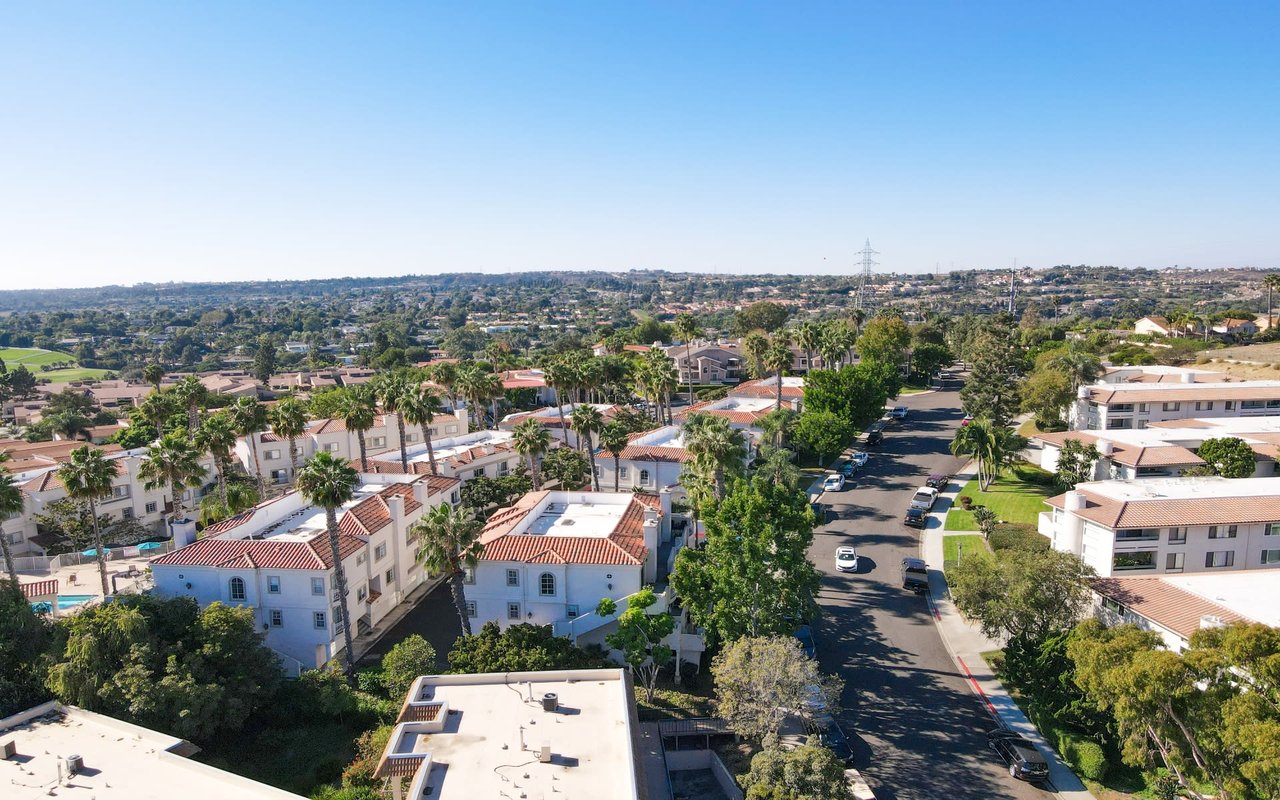
Monrovia sits in the San Gabriel Valley with a strong rental market and a housing stock that includes many older small multifamily buildings. The city has a significant share of renter households, which supports ongoing demand for duplex and triplex units. City planning documents highlight adding small multifamily and ADUs as part of long-term housing goals, which helps signal policy support for this segment. You can review priorities in Monrovia’s adopted Housing Element.
Rental trackers place Monrovia on the higher-cost end for the area. Listing-based sources vary, so it is smart to compare more than one measure and ground your pro forma in current comps. RentCafe’s Monrovia rent summary recently showed an average apartment rent near $3,006, while other listing indices have trended lower. Survey-based Census medians also run lower, which shows how averages shift by source and method.
What you will find: ages and layouts
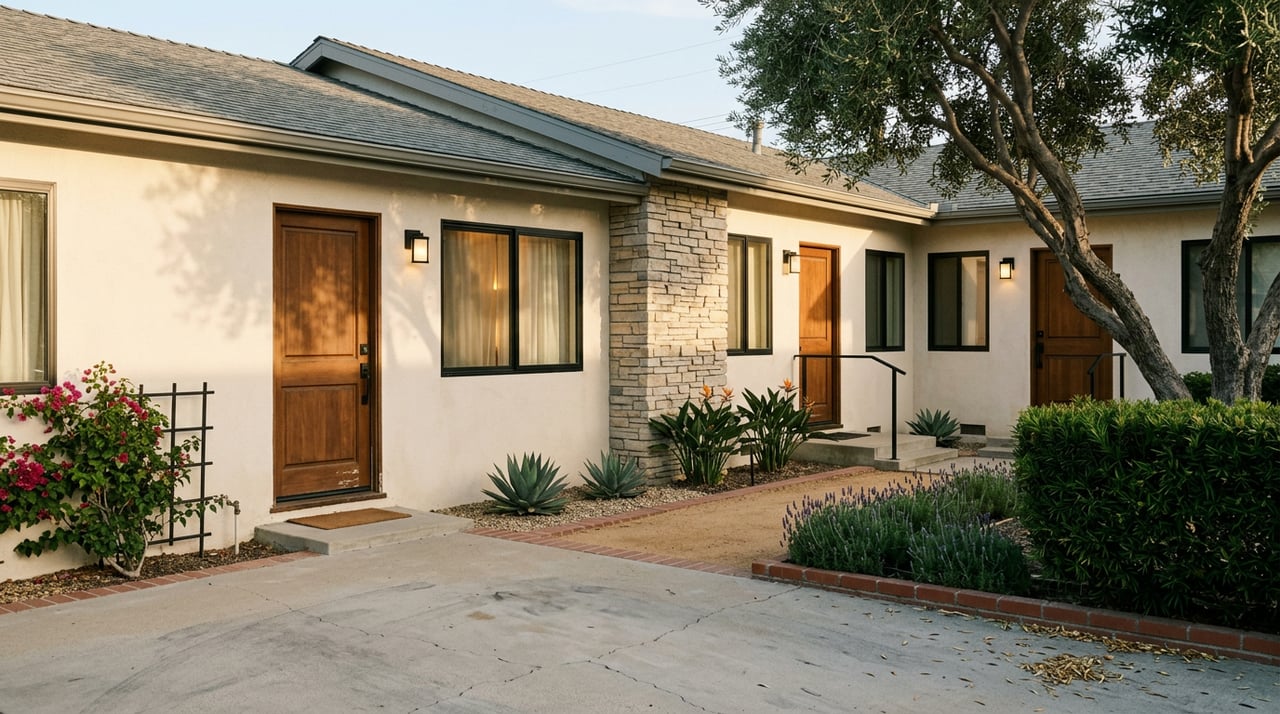
Many Monrovia duplexes and triplexes were built in the mid 20th century. The City’s planning work points to aging properties as a recurring theme, which means character and charm often come with modernization needs. Expect to see Craftsman influences near older districts, post‑war courtyard styles, and mid‑century flat or stacked duplex forms.
Common small multifamily formats include:
- Side‑by‑side duplexes with a shared wall.
- Stacked upper and lower flats.
- Front‑house and back‑house setups, sometimes with a converted garage.
- Older triplexes that have been updated over time.
Layout and unit mix matter. A triplex with two 1‑bedrooms and one 2‑bedroom can produce different gross rents and turnover patterns than three 1‑bedrooms. Also look for separate meters, on‑site laundry, and parking arrangements. These details directly affect both income and day‑to‑day management.
Rents and income basics
Use ranges to frame income potential, then refine with current comps for the property’s exact location and condition.
- 1‑bedroom: roughly $2,400 to $2,800 per month
- 2‑bedroom: roughly $2,700 to $3,500 per month
- 3‑bedroom: roughly $3,200 to $4,200 per month
Those ranges reflect recent listing data across trackers in the San Gabriel Valley, including RentCafe’s Monrovia report. Be cautious when using citywide averages for a specific building. Unit size, private outdoor space, upgrades, parking, and in‑unit laundry can shift rents meaningfully.
Expenses to budget
Older small multifamily can pencil well, but only if you budget for core operating costs and near‑term improvements. Build your pro forma with conservative assumptions for the following buckets.
- Property taxes. California’s Prop 13 sets a base levy near 1 percent of assessed value. Local voter‑approved items add on by tax‑rate area, so many Los Angeles County effective totals land around 1.0 to 1.25 percent or higher. Review the Los Angeles County property tax overview and pull the specific parcel’s bill and any supplemental estimates.
- Insurance. Landlord or rental‑dwelling policies in California often run in the low‑thousands per year, commonly about $1,300 to $2,000 plus depending on location, age, and coverage. Earthquake coverage is a separate policy and can be material. See this primer on landlord insurance in California for context.
- Property management. Full‑service managers for small residential properties often charge about 6 to 12 percent of collected rent as an ongoing fee. Leasing fees are usually separate and can equal 50 to 100 percent of one month’s rent. Review benchmarks for typical property management fees.
- Maintenance and reserves. Expect higher near‑term capital needs with mid‑century structures. Roofs, sewer laterals, panels, and plumbing lines are big‑ticket items. Ask for the seller’s maintenance history and improvements ledger, then size a reserve that fits the building.
- Utilities and services. Confirm how gas, electric, and water are metered, and who pays what under current leases. Landscaping, pest control, trash, and any licensing or registration costs should be included in your forecast.
Rules and permits to know
Understanding the policy background helps you avoid surprises.
- City housing strategy. Monrovia’s 6th‑cycle Housing Element, adopted in 2022 to guide policy through 2029, identifies small multifamily and ADUs among the tools to meet future housing needs. Read more in Monrovia’s Housing Element and the City’s Planning for Housing page.
- State tenant protections. For covered units, California’s Tenant Protection Act sets a backstop on rent increases at 5 percent plus local CPI, capped at 10 percent in any 12‑month period, and includes just‑cause termination standards. Review an overview of California’s Tenant Protection Act (AB 1482). Local ordinances can be stricter, so always confirm current Monrovia rules and any registration steps with City staff.
- Permits and conversions. Be careful with garage conversions or “bonus” units. Unpermitted work can trigger code issues and expensive retrofits. Verify legal unit count, permits, and any ADU status directly through City Building and Planning.
Financing options: owner‑occupant and investor
If you plan to live in one unit, you may qualify for owner‑occupied financing on a 2 to 4 unit property.
- FHA owner‑occupied loans. FHA‑insured loans are available for 2 to 4 units when you will occupy one unit as your primary residence. Minimum down payments are often cited near 3.5 percent for qualified borrowers, with county loan limits and underwriting rules that vary. Learn the basics of FHA financing for 2 to 4 units and confirm specifics with your lender.
- Conventional and portfolio loans. Conventional and portfolio products can fit both owner‑occupants and investors. Down payment, pricing, and reserve requirements typically differ from single‑family loans.
- 1031 exchange for investors. If you are selling an investment property and buying another, a like‑kind exchange can defer capital gains taxes. Standard timelines commonly referenced are 45 days to identify and 180 days to close, with a qualified intermediary required. See a guide to 1031 exchange timing rules in California. Always coordinate with a tax advisor.
Due‑diligence checklist for Monrovia small multifamily
Use this list to structure your offer prep.
- Confirm legal unit count, building permits, certificates of occupancy, and any permitted ADUs.
- Review the rent roll, deposits, lease expiration dates, and rent receipts.
- Check zoning, allowed uses, parking minimums or variances, and any off‑street parking limits.
- Inspect building systems: electrical service and panels, plumbing type, roof age, HVAC, water heaters, and sewer lateral.
- Address hazards and compliance: smoke and CO detectors, lead‑based paint for pre‑1978 buildings, possible asbestos, and seismic or fire safety items.
- Run title, tax, and lien checks, including any special assessments.
- Request insurance history and renewal quotes.
- Confirm utilities and services, how units are metered, and whether laundry, garages, or parking spaces are separately charged.
Duplex vs triplex: which fits your plan
Both can work well. The better choice depends on your goals and tolerance for management.
- Price and financing. Owner‑occupied buyers often balance down payment and monthly payment. A triplex may yield higher gross income, which can help offset payment if your lender counts a portion of rents for qualification.
- Unit mix. A duplex with two larger units may attract longer tenancies. A triplex with a mix of 1‑ and 2‑bedrooms can spread vacancy risk and widen your renter pool.
- Operating complexity. More units usually mean more turns and more service calls. Separately metered utilities reduce headaches.
- Parking and outdoor space. In older neighborhoods, off‑street parking can be tight. Yards and patios can add appeal and rentability.
Build a practical next step
Start by narrowing your target to two or three layout types and price points. Pull current rent comps by unit size, then model income against conservative expenses using the buckets above. Finally, line up lending guidance early if you plan to owner‑occupy a unit.
If you want a local partner who knows Monrovia’s small multifamily from the inside out, reach out to the Speranta Group. Our team combines neighborhood expertise with investor‑grade analysis, 1031 coordination, and Compass tools to help you compare options, validate numbers, and secure the right property with confidence.
FAQs
What are typical Monrovia rents for 1‑, 2‑, and 3‑bedroom units?
- Recent listing ranges cluster around $2,400 to $2,800 for 1‑bedrooms, $2,700 to $3,500 for 2‑bedrooms, and $3,200 to $4,200 for 3‑bedrooms, based on trackers like RentCafe’s Monrovia report.
Does Monrovia have rent control on duplexes and triplexes?
- California’s Tenant Protection Act (AB 1482) provides a statewide baseline on rent increases and just‑cause rules for covered units; confirm any local requirements with City staff and review the DRE’s overview of AB 1482.
Can I use FHA to buy a Monrovia triplex if I live in one unit?
- Yes, FHA offers 2 to 4 unit loans for owner‑occupants, with commonly cited minimum down payments near 3.5 percent for qualified borrowers; verify loan limits and guidelines with your lender and see this primer on FHA financing for 2 to 4 units.
What property taxes should I expect when I buy a duplex in Los Angeles County?
- Prop 13 sets a base near 1 percent of assessed value, with local add‑ons that often bring the effective rate to roughly 1.0 to 1.25 percent or higher; check the County property tax overview and the specific parcel.
What permits should I verify on an older duplex or triplex?
- Confirm legal unit count, certificates of occupancy, and any ADU permits with the City; be cautious with garage conversions or “bonus” units and review Monrovia’s Planning for Housing resources.
How much should I budget for management if I do not self‑manage?
- Many small residential managers charge about 6 to 12 percent of collected rent as an ongoing fee, with a separate leasing fee typically equal to 50 to 100 percent of one month’s rent, per industry benchmarks like DoorLoop’s fee summary.