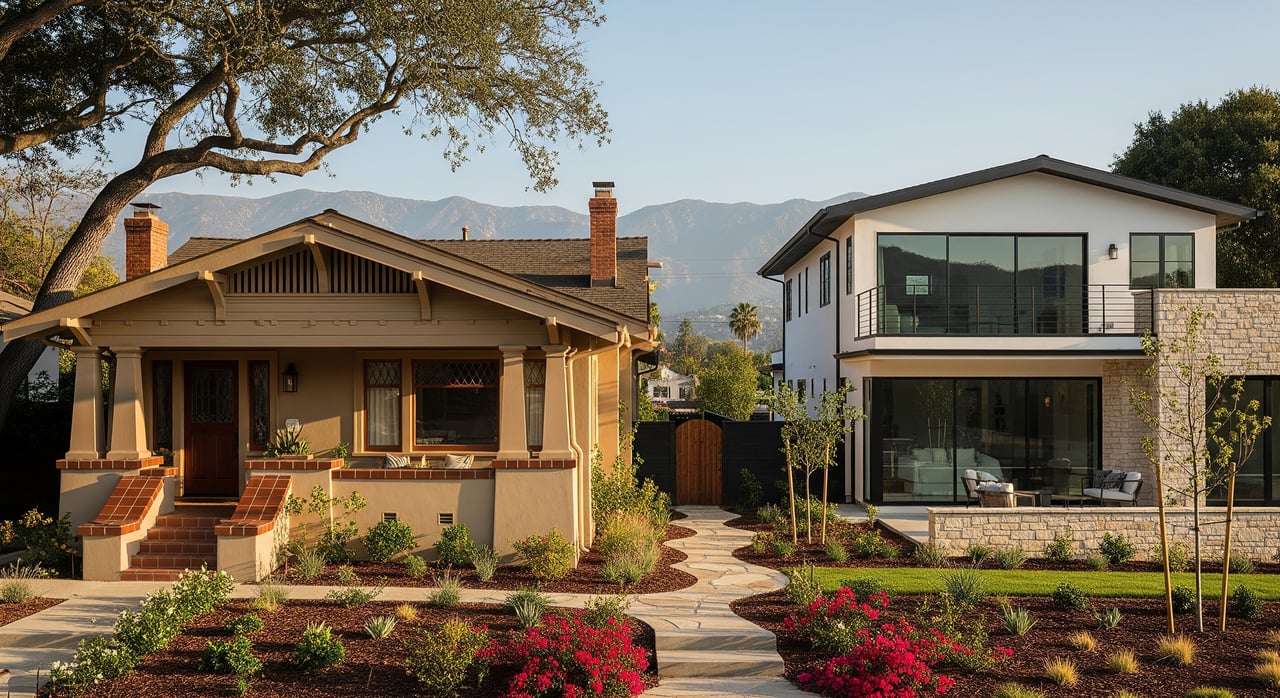
Torn between a charming Craftsman cottage and a sleek new build in Sierra Madre? You are not alone. The city’s foothill setting, tree‑lined streets, and mix of early 20th‑century homes and newer infill create real choices with real tradeoffs. In this guide, you will compare character, maintenance, energy efficiency, financing, inspections, and resale so you can choose with confidence. Let’s dive in.
Sierra Madre housing snapshot
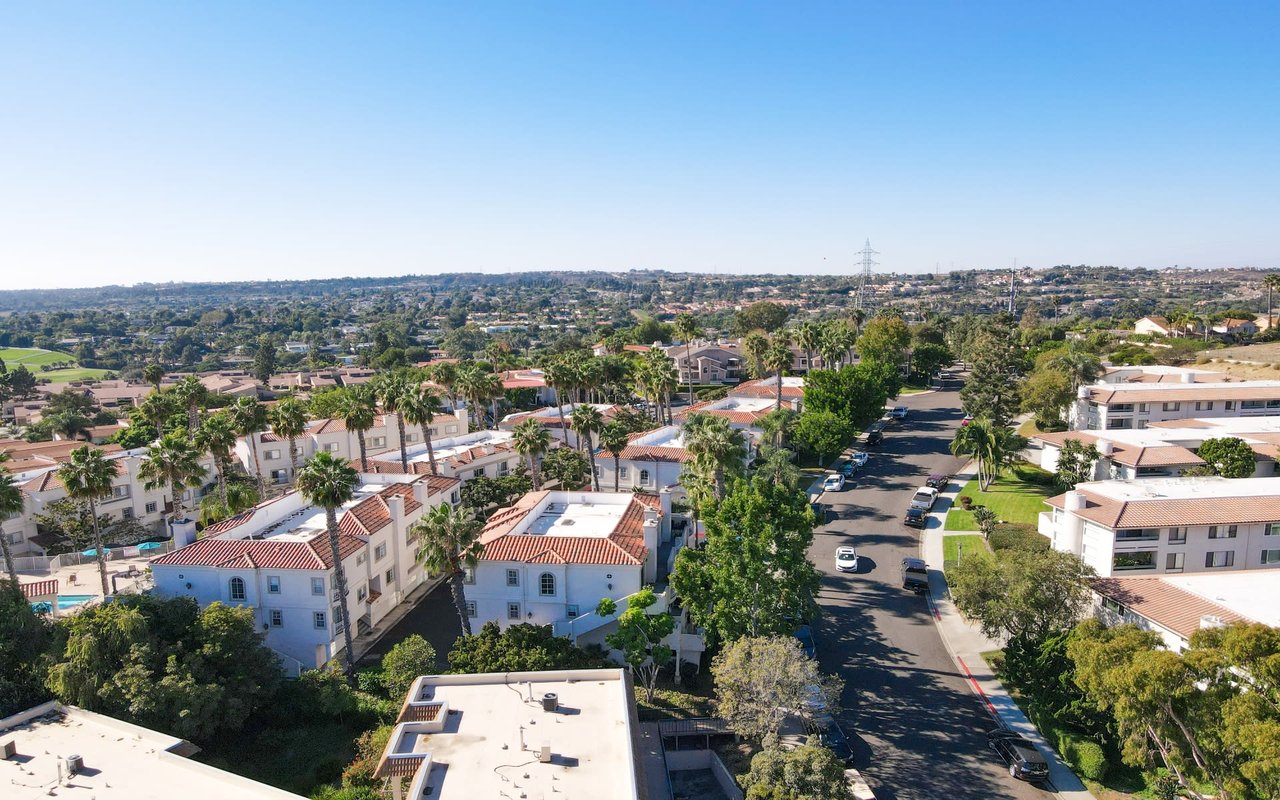
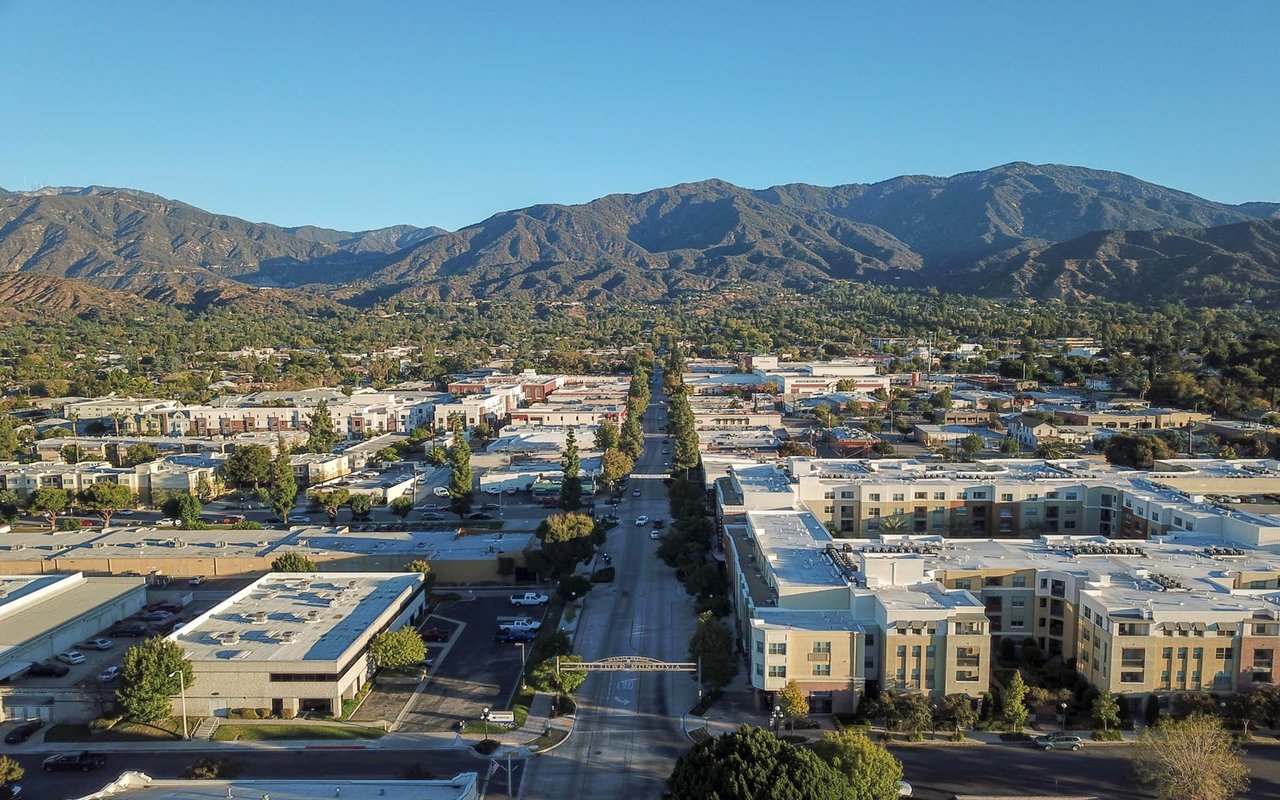
Sierra Madre is known for Craftsman bungalows, vintage cottages, and modest lots, with some homes on hillsides and narrow streets. Newer construction exists as infill, but large, master‑planned developments are uncommon. Many neighborhoods reflect historic platting, which can mean closer setbacks and smaller yards.
Local zoning and design review may affect expansions or adding an ADU. If you plan to build out, verify rules with the city’s Planning and Building divisions before you write an offer.
Historic homes: pros and cons
Character and livability
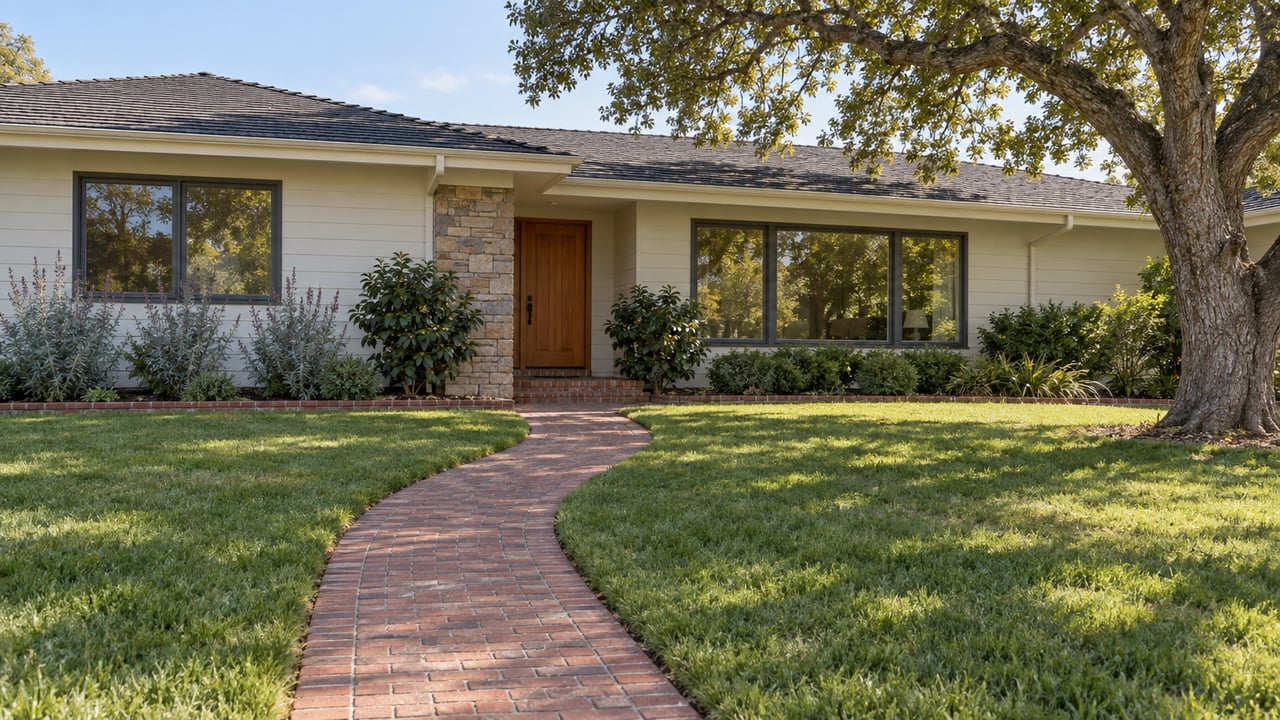
Historic homes often feature wood trim, built‑ins, exposed beams, and mature landscaping. Walkability to downtown can be a draw. Rooms are humane in scale and feel warm and personal.
Tradeoffs include smaller kitchens and baths, fewer closets, and less open floor plans. You may find limited electrical capacity or no central A/C unless updated.
Maintenance and lifecycle costs
Expect potential deferred maintenance like aging roofs, original plumbing, and older electrical systems. Termite damage, wood rot, and single‑pane windows are common in vintage properties. Specialty restoration, like matching trim or custom millwork, adds cost.
Budget for discoveries such as lead paint or asbestos if you plan to renovate. Overall, short‑to‑medium term maintenance tends to be higher than a new build.
Energy and utilities
Older homes often have less insulation, single‑pane windows, and older HVAC, which can raise utility costs. Upgrades like attic and wall insulation, duct sealing, efficient HVAC, or heat pumps can help while preserving character.
Federal and state incentives or utility rebates may be available for certain upgrades. Program availability changes, so confirm details with the issuing agency or your utility before committing.
Seismic and safety
Vintage homes can have seismic vulnerabilities such as unreinforced cripple walls, non‑anchored foundations, and older chimneys. A seismic retrofit can improve safety but carries cost. For hillside lots, consider a geotechnical review if you plan additions or major work.
Preservation and permits
Design review may apply to designated properties or conservation areas. Interior work is often less regulated, but exterior changes and demolitions may face extra scrutiny. Unpermitted work can slow financing and create escrow complications.
Some California cities administer the Mills Act, which can reduce property taxes in exchange for preservation commitments. Verify Sierra Madre’s participation and requirements directly with city staff before relying on any potential benefit.
New construction: pros and cons
Design and comfort
Newer homes typically offer open layouts, larger closets, modern kitchens, and integrated systems like central HVAC and updated electrical. Attached garages and wider room dimensions are more common.
You may trade away some original character. Landscaping may be newer, and in certain historic blocks, the style may feel less contextual.
Maintenance and predictability
Newer systems and materials mean lower near‑term maintenance, often with builder or manufacturer warranties. Long‑term items like roof and HVAC replacement still apply, just later and more predictably.
Efficiency and codes
Recent builds are designed to meet California Title 24 energy standards. You usually benefit from tighter envelopes, modern insulation, and better compatibility with electrification or solar.
Resale and fit
Move‑in‑ready appeal can attract buyers who want low‑maintenance living. Resale depends on the quality of construction, lot, and how well the home’s style fits the surrounding neighborhood.
Costs, financing, and insurance
Financing paths
Conventional loans are common for both historic and new homes, provided the property condition supports underwriting. If you plan upgrades, renovation loans can help roll improvements into your mortgage. Options include FHA 203(k), Fannie Mae HomeStyle Renovation, and VA renovation programs for eligible borrowers.
Appraisal and underwriting points
Unique historic features can complicate valuation. Lenders may require repairs for safety items like electrical or roof issues before closing. Homes with significant deferred maintenance may trigger larger reserves or higher down payments.
Insurance and wildfire considerations
Older systems, unreinforced chimneys, and foothill wildfire exposure can influence premiums and coverage availability. Obtain quotes early, especially for hillside properties. Seismic or roof upgrades can improve insurability and may reduce costs.
Inspection checklist before you offer
Use this stepwise plan to reduce surprises:
- General home inspection plus specialists: roof, plumbing, electrical, HVAC, and pest/termite.
- Sewer lateral inspection and, for hillside lots, a geological or geotechnical assessment.
- If you plan renovations, consult a structural engineer and consider testing for lead paint or asbestos.
- Pull permit history and review seller disclosures. Flag unpermitted work for your lender and inspector.
- Get preliminary insurance quotes and speak with your lender about renovation financing if needed.
Decision framework
Key factors to weigh
- Budget, including purchase price, immediate repairs, and a contingency of 10 to 20 percent for renovations.
- Your tolerance for DIY or contractor management versus a turnkey preference.
- How much you value architectural character versus modern amenities and layout.
- Energy‑use priorities and expected utility costs.
- Resale horizon and the likely buyer profile you want to attract later.
- Lot and location constraints like parking, yard, hillside conditions, and proximity to amenities.
- Risk tolerance for hidden defects common in older homes.
Simple path to a decision
- If you want low maintenance, predictable utilities, and modern systems, lean toward newer construction.
- If you prize craftsmanship and mature streetscapes and can handle phased upgrades, a historic cottage or Craftsman may be a great fit.
- If you want both, target well‑maintained historic homes with documented system updates and energy improvements.
Buyer scenarios in Sierra Madre
- First‑time buyer with limited reserves and a priority on walkability and low maintenance: favor newer or well‑maintained historic homes that are move‑in‑ready. Be careful with heavy fixers due to financing and contractor complexity.
- Move‑up buyer with equity who wants character and room to expand: consider a Craftsman with good bones. Verify ADU or addition feasibility with city planners, and budget for targeted upgrades like electrical and insulation.
- Buyer devoted to authenticity and willing to invest time: a vintage cottage can shine. Line up renovation financing, experienced preservation contractors, and permits for a phased plan that keeps key features intact.
- Buyer prioritizing energy costs and modern systems: newer construction fits best. If buying historic, negotiate for major system updates or seller credits.
Planning upgrades the smart way
Sequence your improvements for the best impact and cash flow:
- Safety and code items first: electrical hazards, roof leaks, foundation anchoring, chimney reinforcement.
- Comfort and efficiency next: insulation, duct sealing, efficient HVAC or heat pump, water heating.
- Function and style: kitchens, baths, storage, and finishes that respect the home’s character.
Before any work, check eligibility for rebates or tax credits and confirm contractor requirements for participation.
Resale considerations
For historic homes, highlight original features, documented restorations, proximity to amenities, and permitted system upgrades. Be transparent about what was updated and when.
For newer homes, emphasize energy efficiency, modern floor plans, warranties, and low maintenance. In both cases, quality, location, and condition drive buyer demand.
Ready to compare real properties and run true total cost of ownership numbers? Reach out to the Speranta Group for local guidance, vetted contractors, and a purchase plan that fits your goals.
FAQs
Historic home pricing in Sierra Madre
- Historic character can command a premium when condition is strong, but significant repairs can reduce offers; compare purchase plus repair costs.
Modernizing a vintage Sierra Madre home
- You can modernize systems and spaces while preserving key features; sensitive updates to kitchens, baths, and energy performance often support resale value.
Tax incentives for historic Sierra Madre homes
- Federal credits generally target income‑producing properties; check with Sierra Madre about Mills Act participation and local requirements before assuming benefits.
Renovation loan options for older homes
- Consider FHA 203(k), Fannie Mae HomeStyle Renovation, or VA renovation loans if eligible; lender guidelines and appraisals will shape what is feasible.
Must‑have inspections for foothill properties
- Get a general inspection, pest/termite, roof, sewer lateral, and for hillside lots a geological review; add structural or hazardous materials testing if you plan to renovate.