If you are searching for a foothill community that feels calmer and more connected than a typical Los Angeles suburb, Sierra Madre stands out fast. Life here moves on a smaller scale, with a compact downtown, easy access to parks and trails, and a housing stock shaped more by character than by new construction. If you want to know what daily life really feels like in Sierra Madre, this guide will walk you through the rhythm of the city, what you can expect from the homes, and why so many buyers are drawn to its village feel. Let’s dive in.
Sierra Madre feels small by design
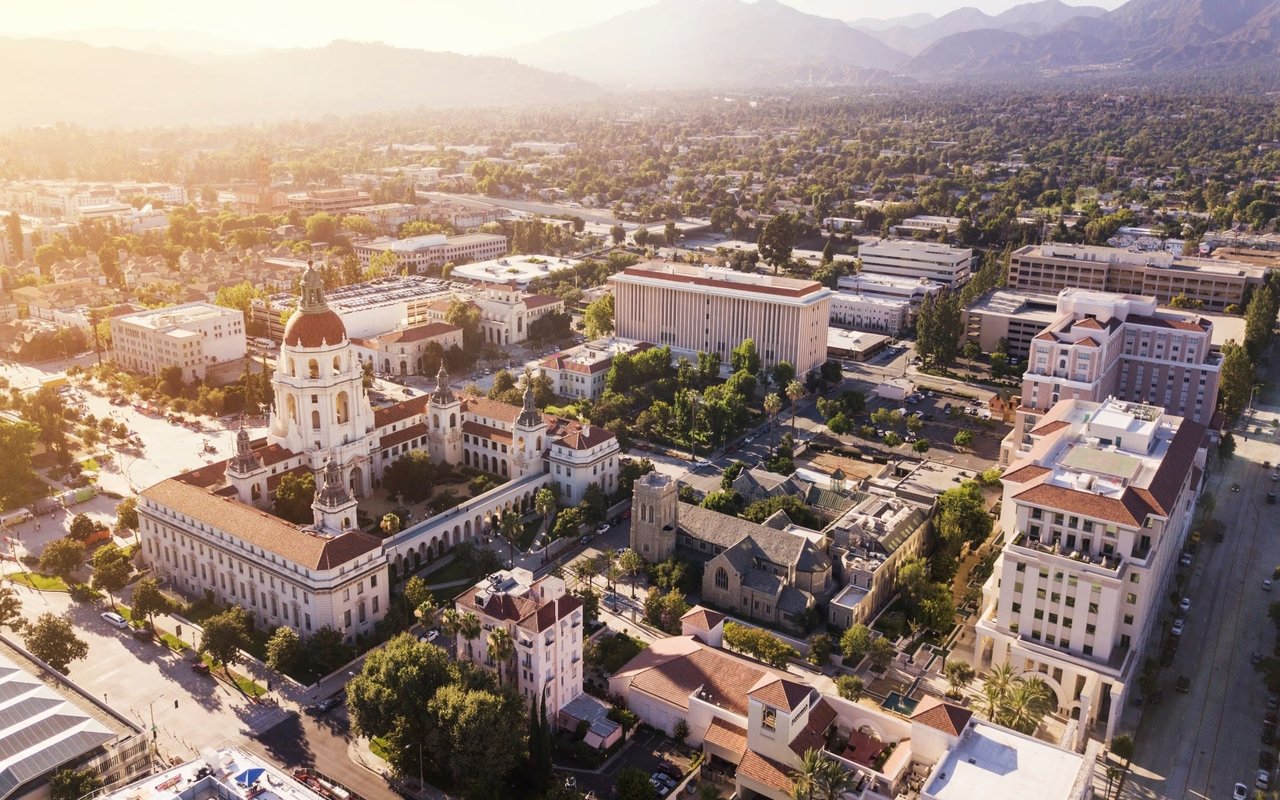
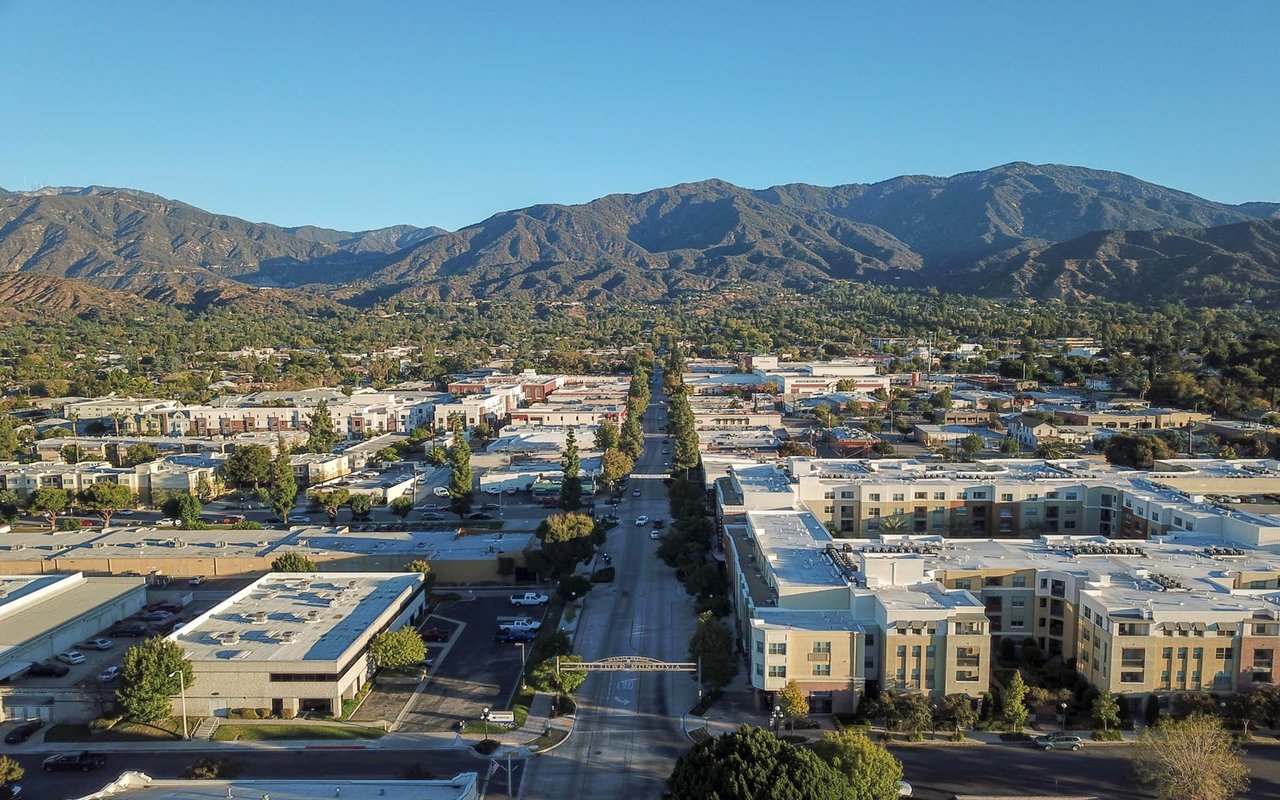
Sierra Madre is a small city at the base of the San Gabriel Mountains, with about three square miles of neighborhoods and green space. The U.S. Census Bureau estimated 10,775 residents in 2024, which makes it much smaller than nearby Pasadena, Arcadia, and Monrovia. That size shapes daily life in a real way.
The city describes its mission as preserving small-town character and community participation. In practice, that means Sierra Madre tends to feel more village-scale than urban. You are not navigating a large city grid here. You are living in a place where civic life is concentrated and familiar.
Daily life centers on downtown
A lot of everyday activity happens around Sierra Madre Boulevard, Memorial Park, and City Hall. The city places major civic uses near the center of town, including the library, senior center, museums, and several parks. That creates a routine where errands, events, and social time can naturally overlap.
For many residents, this is part of Sierra Madre’s appeal. You might start the day with coffee, stop by the library, spend time in the park, and handle a quick errand without feeling spread across a huge area. The downtown is not large, but that is exactly the point.
The village core is the most walkable area
If you are wondering whether Sierra Madre is walkable, the clearest answer is yes in its central core. The city specifically notes that people attending Family Movie Fridays can walk to many local food options in downtown Sierra Madre. That supports what many buyers are looking for: a neighborhood center where daily life can happen at an easy pace.
The Chamber directory also points to neighborhood-scale businesses like My Friends Café, Nano Café, One Cup Studio, and the Sierra Madre Playhouse. Together, these uses help create a downtown where grabbing coffee, meeting a friend, or heading to a local event can be part of a normal week.
Community spaces are part of the routine
Memorial Park plays an important role in local life. It sits next to City Hall and hosts activities like Summer Concerts in the Park, while the nearby Hart Park House serves as a senior center. In a city this small, those public spaces do more than fill a map. They help anchor the weekly rhythm.
The result is a community where public life feels visible. Instead of needing to go far for events or services, you are often close to them already. That can make Sierra Madre feel connected in a way that larger suburbs often do not.
Outdoor living is a real part of life
One of Sierra Madre’s strongest everyday advantages is its connection to the outdoors. The city highlights Bailey Canyon Wilderness Park, the Live Oak Self-guided Nature Trail, the Canyon View Nature Trail, the Bailey Canyon Trail to Jones Peak, and the Mt. Wilson Trail to the observatory. Parks are open from 6 a.m. to 10 p.m., which supports regular use throughout the day.
This is not just a place with a few nearby green spaces. The mountain edge is part of local identity. If you enjoy walking, hiking, or simply having quick access to nature, Sierra Madre offers that in a very direct way.
Trails shape the local lifestyle
In some communities, outdoor recreation feels occasional. In Sierra Madre, it feels built into the week. The city’s continued emphasis on trails and the longstanding Mt. Wilson Trail Race, which it describes as the second-oldest race in California, shows how central this foothill setting is to the city’s culture.
At the same time, living close to the mountains comes with practical realities. The city notes that trails close during fire season. For buyers, that is a useful reminder that the natural setting is a major benefit, but it also shapes seasonal routines.
Recreation options go beyond hiking
Sierra Madre’s recreation programming is broader than many people expect from a city this size. According to the city, year-round offerings include aquatics, arts, biking, classes, community gardening, hiking, museums, parks, senior services, special events, transportation, volunteering, and youth and teen services.
That range matters because it suggests daily life is not limited to quiet residential streets. Sierra Madre may be small, but it offers a steady calendar of civic and recreational activity. For many buyers, that creates a balance between calm surroundings and things to do.
Sierra Madre has a steady community calendar
If you like places with recurring local traditions, Sierra Madre delivers. City and community sources repeatedly highlight movie nights, concerts, library events, playhouse programming, the Wistaria Festival, and Fourth of July festivities. Those events help define what living here feels like beyond the housing itself.
This kind of programming can make a city feel more lived-in and personal. Instead of relying only on nearby larger cities for entertainment, Sierra Madre has its own traditions and gathering points. That is part of what gives the city its loyal following.
Getting around is simple, but mostly local
Most day-to-day movement in Sierra Madre is a mix of walking in the central area, short drives, and limited transit options. The city operates Gateway Coach, a free weekday fixed-route service with stops that include Sierra Vista Park, the middle school, the library, the post office, senior housing, and Memorial Park. Dial-A-Ride also serves older and disabled residents.
For broader connections, Metro Line 268 links Sierra Madre to Sierra Madre Villa Station on the A Line, the Shops at Santa Anita, and El Monte Station. That gives residents a transit option, but the overall pattern still leans local and practical rather than heavily transit-oriented.
Commutes are manageable for many residents
The Census Bureau lists the mean travel time to work at 27.9 minutes. That figure suggests many residents balance the city’s quieter setting with access to job centers across the region. In other words, Sierra Madre can feel tucked away without being cut off.
For buyers comparing foothill communities, this is an important distinction. Sierra Madre offers a quieter daily atmosphere, but it still connects to the wider San Gabriel Valley and greater Los Angeles area.
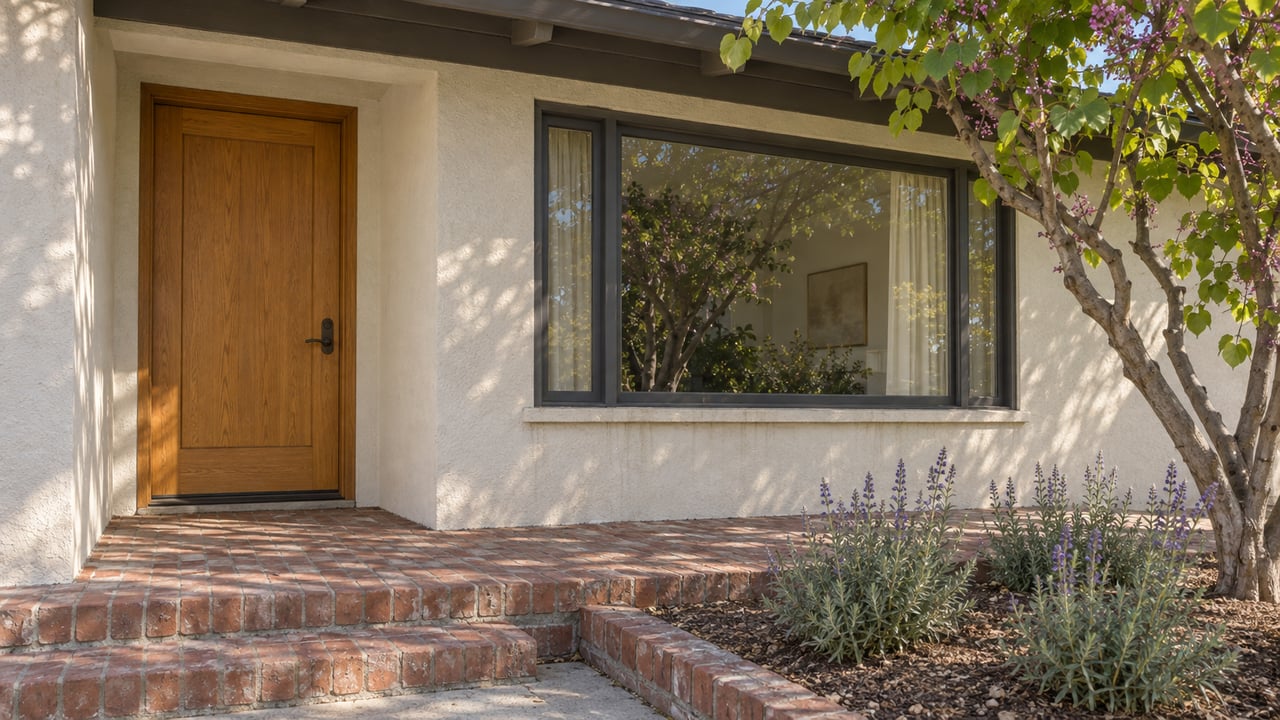
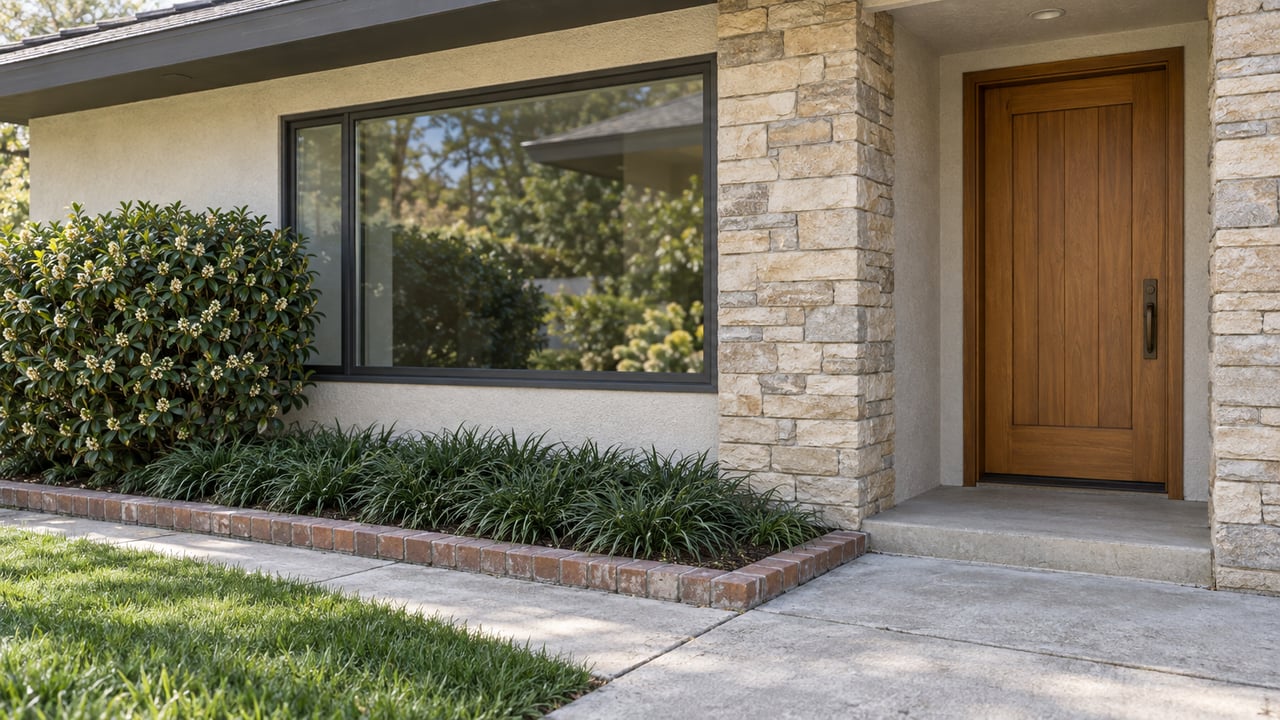
Homes here are older and full of character
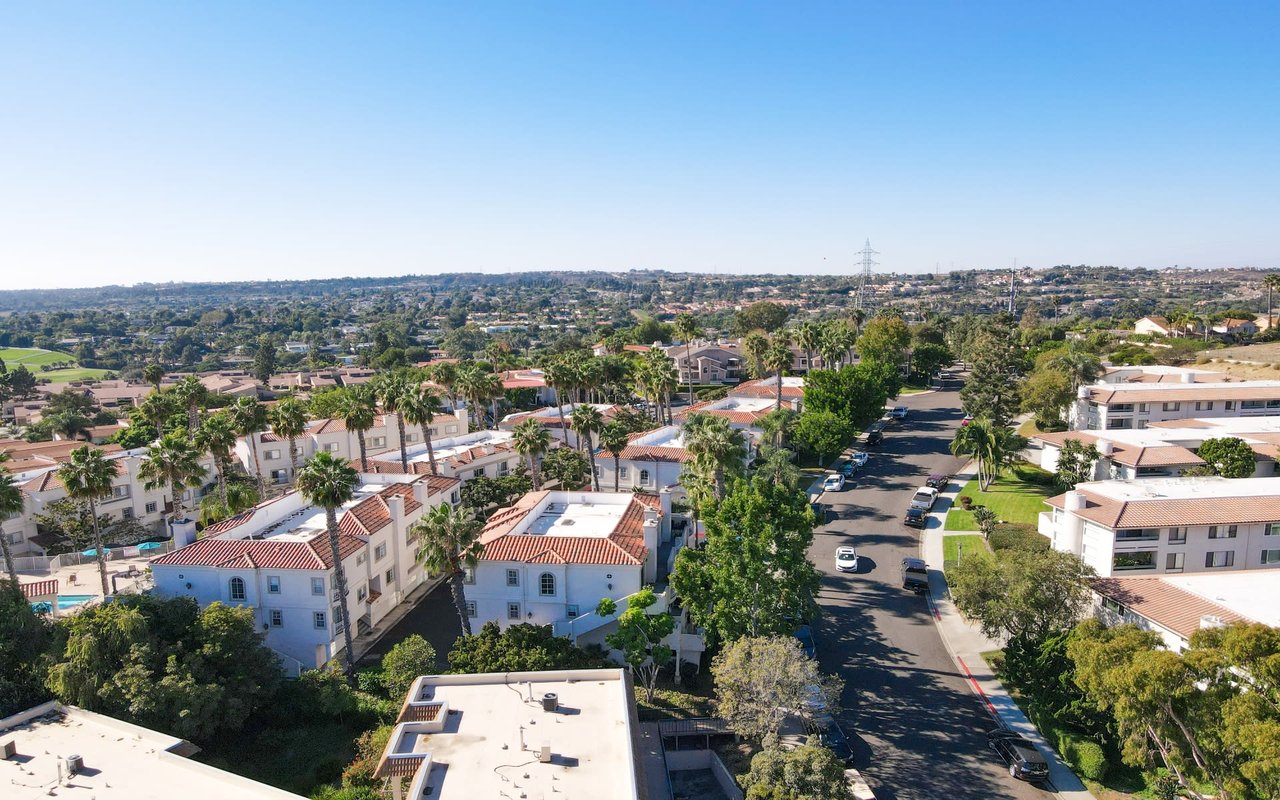
Sierra Madre’s housing stock has a distinct profile. The city’s 2021-2029 housing element says there were 5,126 housing units in 2020, with 76% single-family homes and 24% multifamily units. It also says about 95% of the housing stock was built before 1989.
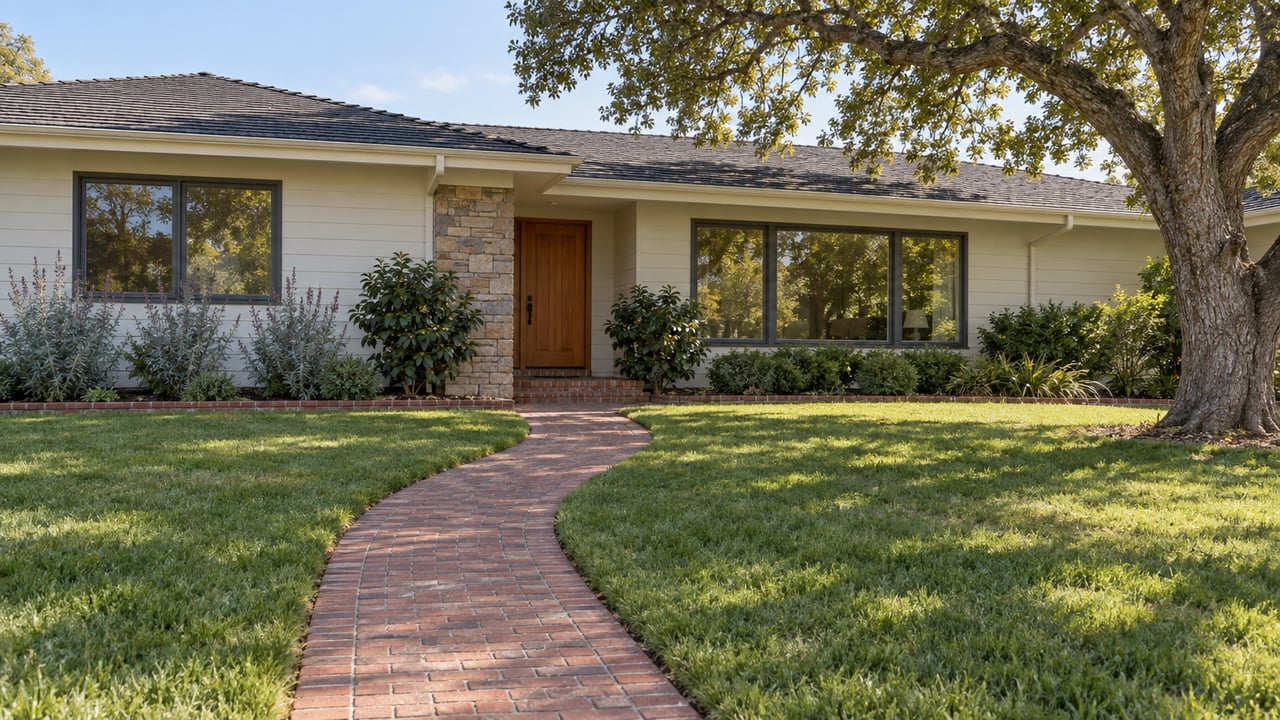
For buyers, that usually means you should expect older homes with established neighborhood character, not large waves of new construction. That can be a major draw if you value mature streetscapes, architectural variety, and a more established residential feel.
Expect limited new inventory
Housing growth in Sierra Madre has been slow. That matters because it helps explain why available homes can feel scarce and why the city retains a consistent look and feel over time. This is not a market driven by constant redevelopment.
The city’s housing element also connects well-kept neighborhoods with high property values and neighborhood pride. That does not mean every home is updated or identical. It does suggest that upkeep and long-term ownership are meaningful parts of the local housing story.
Ownership is common, and pricing reflects demand
Census QuickFacts show an owner-occupied housing unit rate of 55.8%. The same source lists a median owner-occupied home value of $1,226,800, a median gross rent of $2,198, and a median household income of $143,547.
Those numbers point to a comparatively high-cost market with a strong ownership presence. If you are considering Sierra Madre, it helps to approach the search with realistic expectations about pricing, inventory, and the premium attached to location and character.
Character matters as much as square footage
Part of Sierra Madre’s appeal comes from the details you notice over time. Community sources highlight tree-lined streets, historic buildings, the city’s long-known wistaria vine, and the age of the public library. These features support the idea that Sierra Madre’s charm is tied to preservation and identity, not just home size.
For some buyers, that is the deciding factor. They are not just shopping for a house. They are looking for a place with a sense of continuity, recognizable landmarks, and a daily environment that feels distinct from surrounding cities.
Who tends to enjoy Sierra Madre most?
Sierra Madre can appeal to a wide range of buyers because its services and programming span generations. The city offers both senior programming and youth and teen services, which suggests a multigenerational mix in everyday life. That broad service base can make the city feel active without feeling crowded.
In practical terms, Sierra Madre often fits buyers who want a quieter residential setting, access to outdoor recreation, and a downtown that still feels personal. It can also appeal to people who value older homes, established neighborhoods, and a stronger sense of local identity.
Why buyers keep Sierra Madre on their list
When you step back, Sierra Madre offers a combination that is hard to duplicate. It has a compact civic core, regular community events, direct access to trails, and a housing stock shaped by age and character rather than rapid expansion. That blend gives daily life a slower, more grounded feel.
If you are deciding whether Sierra Madre fits your lifestyle, the biggest question is simple: do you want a village atmosphere with foothill access and established homes? For the right buyer, that answer is often yes.
If you are exploring Sierra Madre or comparing it with other San Gabriel Valley communities, Speranta Group can help you evaluate the housing options, neighborhood character, and market realities with clear local guidance.
FAQs
Is Sierra Madre walkable for daily life?
- The most walkable part of Sierra Madre is the downtown and Memorial Park core, where the city clusters civic uses and notes that many dining options are within walking distance.
What do residents do for fun in Sierra Madre?
- Residents enjoy hiking, park programs, movie nights, concerts, library events, Playhouse programming, and annual traditions such as the Wistaria Festival and Fourth of July festivities.
What types of homes are common in Sierra Madre?
- Sierra Madre’s housing stock is mostly older single-family homes, with some multifamily units, and relatively little new-construction inventory.
Is Sierra Madre mostly a homeowners market?
- Census data show an owner-occupied housing unit rate of 55.8%, which points to a market with a solid ownership presence.
How do most people get around Sierra Madre?
- Daily mobility is usually a mix of walking in the central area, short drives, local city transit like Gateway Coach, and connections through Metro Line 268.
Does Sierra Madre offer activities for different age groups?
- Yes. The city’s recreation programming includes senior services as well as youth and teen services, along with arts, classes, aquatics, volunteering, and other activities.