If your daily routine works better when coffee, errands, dining, parks, and transit are all within a short drive or even a short walk, where you live in Glendora matters more than you might think. Some parts of the city make everyday life feel simpler, while others trade convenience for more space and a stronger foothill setting. This guide will help you understand which Glendora areas offer the easiest day-to-day access so you can focus your home search on the lifestyle that fits you best. Let’s dive in.
Where Convenience Clusters in Glendora
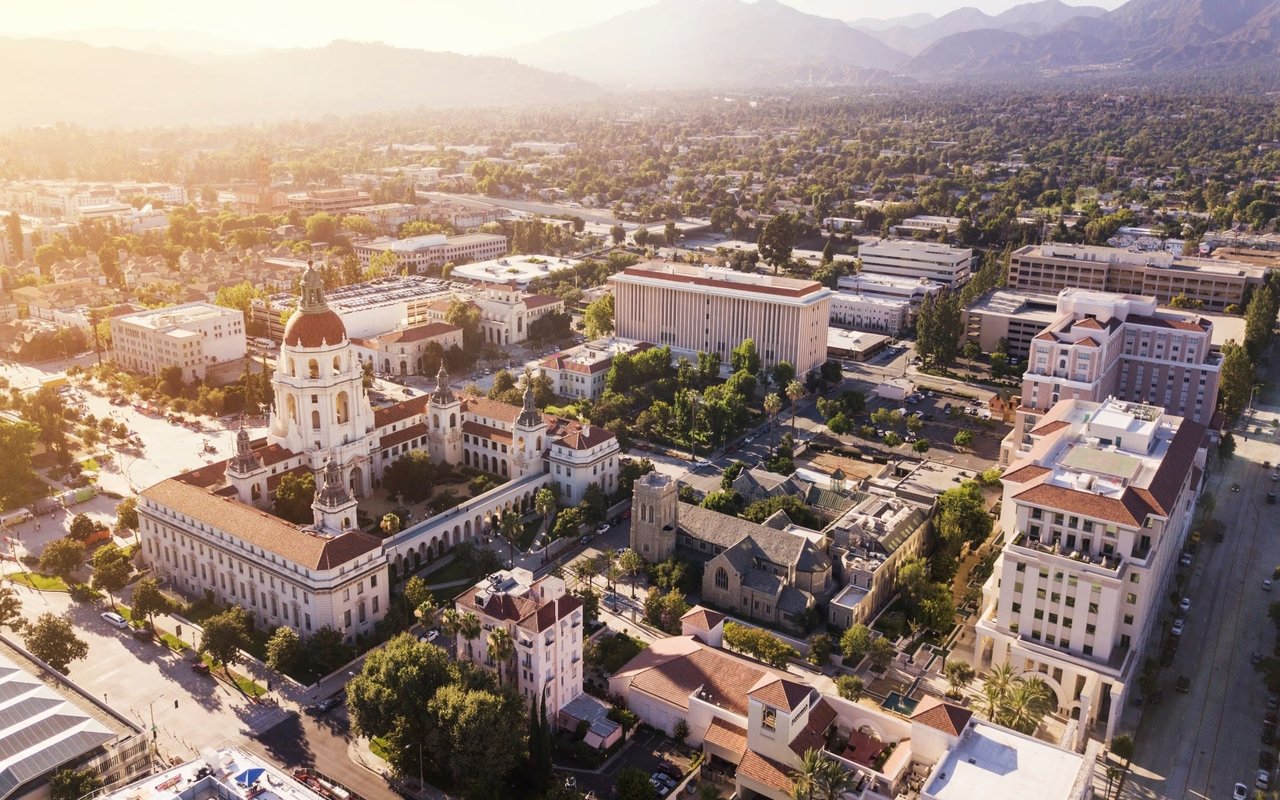
Glendora’s convenience is not spread evenly across the city. Based on city planning and land use, everyday access tends to cluster around a few key nodes: the Downtown Village and Glendora Avenue core, the Route 66 corridor, the Grand Avenue and Arrow Highway commercial strip, and the newer Glendora Metro station area.
That matters because your experience can feel very different from one part of town to another. In the more convenience-oriented areas, you are closer to shops, restaurants, services, community facilities, and transit connections. In the foothill and hillside areas, the focus shifts more toward open space, preservation, and larger residential settings.
Downtown Village Offers the Most Walkable Feel
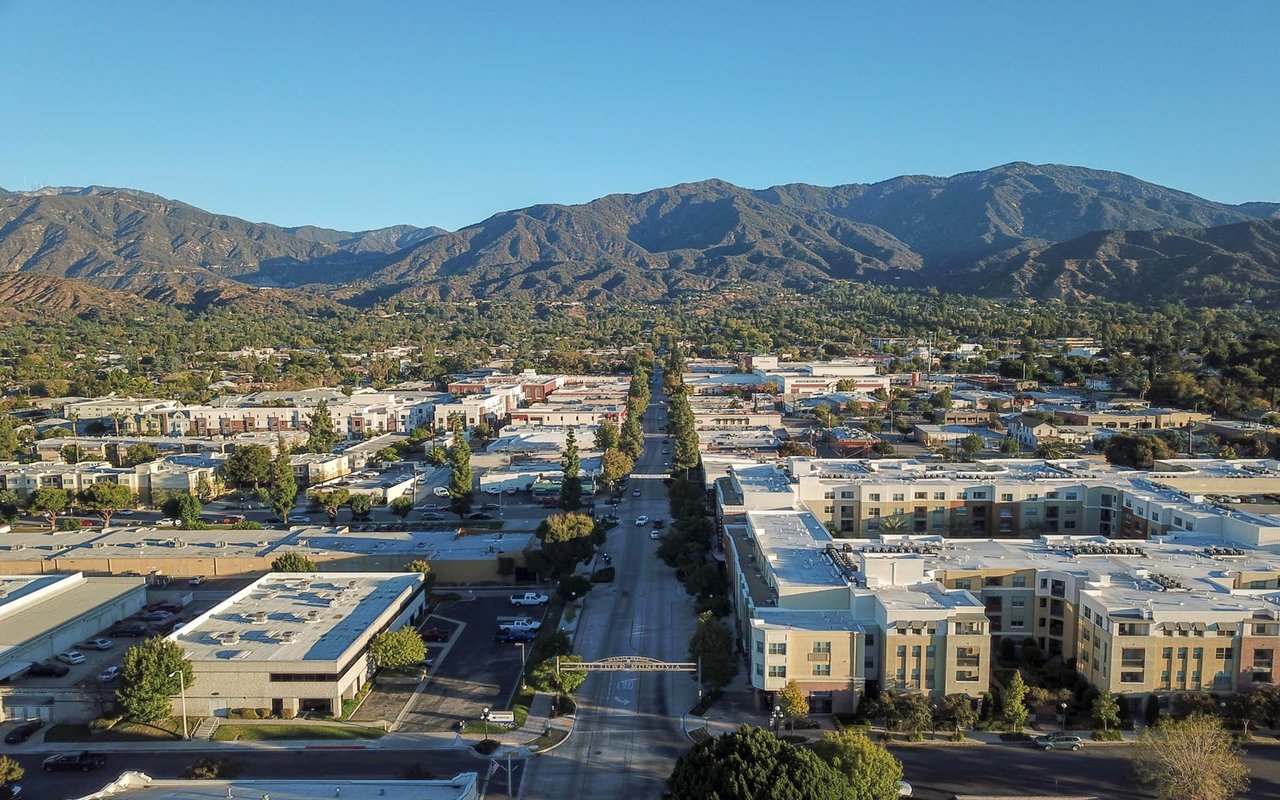
If you are looking for the part of Glendora that feels most naturally set up for daily errands and local outings, Downtown Village stands out. The city identifies the downtown Village as a core area of owner-operated retail, and recent public investments have supported parklets, the redesigned Village Plaza, and improvements along Meda Avenue that help support outdoor dining and gathering.
For many buyers, this is the clearest everyday-convenience hub in Glendora. You can picture a routine where quick stops, casual meals, and local services happen within a compact area instead of requiring longer drives across town.
Civic Services Add Practical Value
Downtown convenience is not just about restaurants and storefronts. The area also benefits from nearby civic services that make regular routines easier.
The Glendora Public Library is located at 140 S. Glendora Ave., with book and AV drop locations on Glendora Avenue and in the City Hall parking lot behind the library. Nearby, the La Fetra Center at 333 Foothill Blvd. offers daily activities and special events for seniors, while the Timothy Daniel Crowther Teen and Family Center includes a city-owned gymnasium, computer lab, game room, and meeting rooms.
That mix gives downtown a practical edge. It supports not only leisure, but also the recurring needs that shape day-to-day life.
What Homes Near Downtown May Feel Like
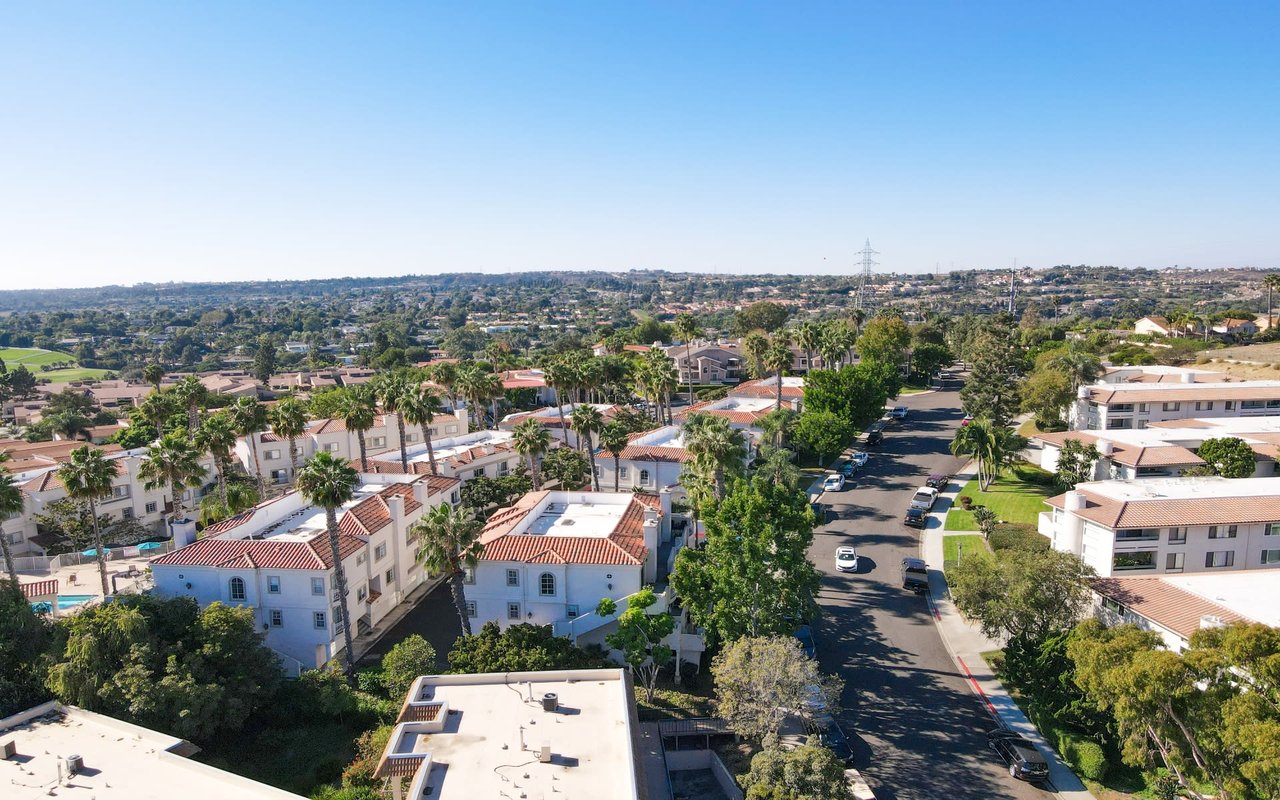
Glendora includes a broad housing mix, from older cottages to larger hillside homes. Near downtown, it is most accurate to think in terms of an established residential setting with a range of home styles rather than one single housing type.
For buyers, that can mean older single-family homes, smaller-lot properties, and in nearby planned areas, some attached or mixed-use housing options. If your goal is character plus convenience, this part of Glendora is often a strong place to start.
Route 66 Brings Daily Access and Variety
Route 66 is one of Glendora’s main east-west commercial corridors, and it plays a big role in everyday convenience. City planning for the Route 66 Corridor specifically allows a mix of residential, commercial, office, and light industrial or manufacturing uses.
That mixed-use structure matters because it creates a corridor where housing, services, and shopping can exist closer together. For buyers who want quick access to practical stops and a range of home types, Route 66 deserves a close look.
Mixed-Use Planning Supports Activity
Within the corridor plan, the Town Center Mixed Use district is intended to reinforce pedestrian activity and transit use. The Route 66 residential district is also meant to expand housing choices.
In plain terms, this suggests a part of Glendora where the built environment is designed to support a more connected daily routine. You may not get the same feel as historic downtown, but you do get a strong convenience profile tied to everyday access.
Housing Options Are More Varied Here
One of the practical advantages of the Route 66 area is housing variety. Current city development listings show attached three-story condominium projects, detached homes, detached condo subdivisions, and single-family lot subdivisions in corridor-adjacent areas.
That gives buyers more flexibility. If you want a lower-maintenance home with easier upkeep, this corridor may offer appealing options. If you still prefer a detached home but want to stay near services, you may find that here too.
Grand Avenue and Arrow Highway Support Easy Errands
Another important convenience zone is the Grand Avenue and Arrow Highway area. The city identifies these corridors as places with retail, restaurants, services, and industry, and it also notes redevelopment activity near the Grand Avenue and Route 66 intersection.
For buyers who prioritize quick errands and broad retail access, this part of Glendora can be very functional. Instead of relying on one small commercial pocket, you have access to a larger corridor-based pattern of stores and services.
Southeast Glendora Adds a Larger Retail Node
The city’s economic plan also points to the southeast Glendora Marketplace as a major retail node. This area includes an auto center, movie theater, big-box stores, and national chain restaurants.
That may appeal to buyers who want convenience in the most practical sense. If your ideal setup includes easy access to larger retail destinations and everyday chain services, southeast Glendora may line up well with your priorities.
The Glendora Station Area Is Built Around Modern Convenience
The area around the Glendora Metro station is one of the most important places to watch if convenience and mobility are high on your list. The station sits just south of historic downtown and includes a 302-space parking facility, EV charging, bicycle parking, and bus and drop-off areas.
Metro passenger service began on September 19, 2025. According to the Foothill Gold Line information for the station, the trip from Glendora to Pasadena is about 22 minutes, and the trip to downtown Los Angeles is about 52 minutes.
Why the Station Area Stands Out
The city’s Station Area Plan is designed to guide transit-oriented development within a half-mile of the station. The city says that area could support up to 1,283 residential units in mixed-use or all-residential projects, with pedestrian-friendly improvements and future development activity shaping the area over time.
For buyers, that points to a very specific lifestyle opportunity. If you want rail access, shorter regional trips, and a setting that may continue adding housing and walkable improvements, the station area stands out as one of Glendora’s strongest convenience plays.
A Strong Fit for Lower-Maintenance Living
When you combine station-area planning with the current development mix in the surrounding corridors, one pattern becomes clear. This is likely one of the best areas in Glendora for buyers seeking lower-maintenance housing choices tied to transportation access and nearby services.
That does not mean every home here will fit that description. It does mean the area is especially relevant if your home search includes condos, attached housing, or newer residential formats that support a simpler day-to-day routine.
Parks and Community Spaces Still Matter
Convenience in Glendora is not only about shopping and commuting. The city’s Recreation & Human Services Department supports social, recreational, and cultural opportunities, and Glendora has a broad park network that includes Big Tree Park, Dawson Avenue Park, Finkbiner Park & Skate Park, South Hills Park & Dog Park, and Willow Springs Park.
Community facilities also play a role in how livable an area feels. Places like La Fetra Center and the Timothy Daniel Crowther Teen and Family Center add another layer of everyday usefulness beyond retail alone.
For many buyers, the best location is not simply the one closest to stores. It is the one that balances errands, recreation, and community resources in a way that fits your weekly routine.
Foothill Areas Trade Convenience for Space
Not every buyer wants to be close to the busiest convenience nodes. In Glendora’s foothill and hillside areas, the city’s planning emphasis shifts more toward hillside preservation, constraints analysis, and maintaining open-space resources.
That usually translates to a different kind of appeal. These areas are better understood as places where space, views, and access to open space take priority over walk-to-everything convenience.
This is not a downside unless your priorities point elsewhere. If you want a home base that feels quieter or more open, the foothill setting may be worth the longer drive for errands and dining.
How to Choose the Right Glendora Area
The best Glendora location for you depends on how you define convenience. A buyer who wants walkable routines may focus on Downtown Village and the station area. A buyer who wants easy retail access and more housing variety may look closely at Route 66, Grand Avenue, or Arrow Highway.
Here are a few simple ways to narrow your search:
- Choose Downtown Village if you want the strongest mix of local shopping, dining, civic services, and a more walkable feel.
- Choose the station area if rail access, future transit-oriented growth, and lower-maintenance housing are high priorities.
- Choose Route 66 if you want a mixed-use corridor with varied housing options and strong day-to-day access.
- Choose Grand Avenue or Arrow Highway if large retail nodes and practical errands matter most.
- Choose the foothills if you are comfortable trading some convenience for more open space and a different residential setting.
A good home search starts with clarity about your routine. When you know whether you value quick errands, transit access, housing simplicity, or more room to spread out, Glendora’s layout starts to make a lot more sense.
If you want help comparing Glendora neighborhoods by lifestyle, housing type, and daily convenience, Speranta Group can help you focus on the areas that best match your goals.
FAQs
Where is the most walkable area in Glendora for everyday errands?
- The Downtown Village and the nearby station area offer the strongest mix of shopping, dining, civic services, and transit-oriented planning.
Which Glendora areas may have more low-maintenance homes?
- The Route 66 corridor and the station-area corridors are the most likely places to find attached condos, mixed-use housing, and other lower-maintenance options based on current development patterns.
What part of Glendora is best for transit access?
- The Glendora Metro station area is the clearest choice if you want rail access, station parking, bike parking, bus connections, and easier regional trips.
Which Glendora areas are best for big retail access?
- Grand Avenue, Arrow Highway, and the southeast Glendora Marketplace area offer strong access to larger retail, chain restaurants, and practical daily services.
Do foothill areas in Glendora offer the same convenience as downtown?
- No. Foothill and hillside areas are generally better known for open space and preservation-focused planning than for clustered shopping and walkable daily errands.